Trump Creates 'AI Force,' Names New Czar to Lead U.S. AI Push
The president dismissed AI safety concerns as a hoax while predicting the technology could represent 25% of GDP.
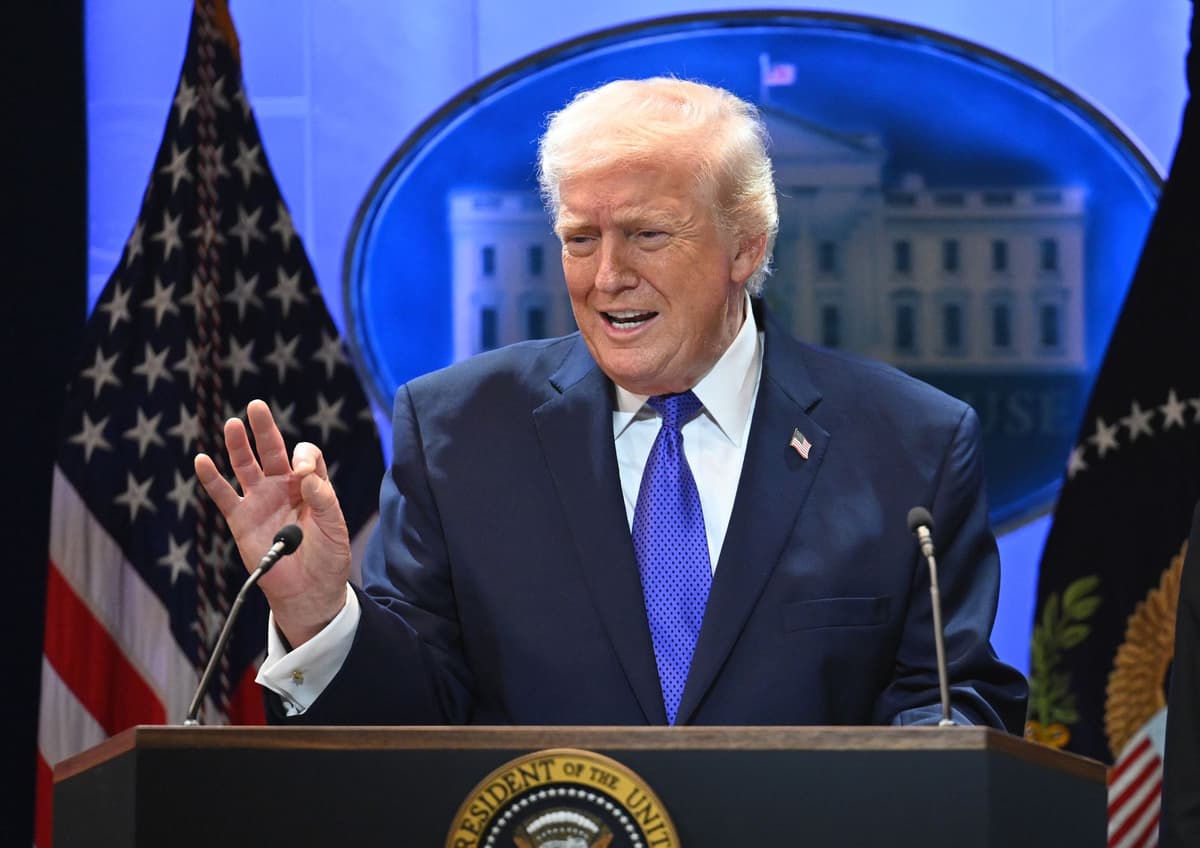
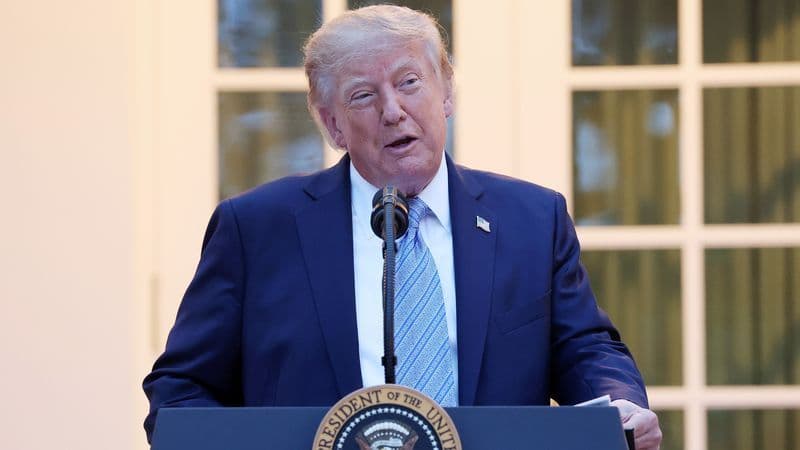
President Donald Trump announced Saturday he is establishing an "AI Force" and will appoint a new AI czar to oversee the initiative, positioning artificial intelligence development as an economic priority while dismissing safety concerns raised by industry leaders.
In a Truth Social post, Trump drew parallels between the proposed AI Force and the Space Force he created during his first administration. He characterized worries about AI's rapid advancement as a hoax and pledged not to "in any way hinder or stifle the Growth of this incredible Industry."
The president offered an ambitious economic forecast, predicting AI could account for up to 25% of U.S. GDP and calling it "the next Industrial Revolution, or Internet, but will be even larger and more impactful."
Leadership vacuum and timing
Trump did not provide a timeline for naming the czar or detail what responsibilities the position would entail. The announcement comes after David Sacks, the venture capitalist Trump initially appointed as AI and cryptocurrency czar, departed that role in March after exhausting his permitted tenure as a special government employee, according to CBS News. Sacks has since transitioned to chair the President's Council of Advisors on Science and Technology, CNN reported.
For addressing potential harms from AI, Trump pointed to existing legal frameworks rather than new regulatory structures. "We will also be looking for BAD, and we can do that, very easily, with our already existing Criminal and Civil Justice System," he wrote.
Rejecting calls for slowdown
The announcement arrives during heightened debate over AI governance. In recent weeks, prominent figures including Anthropic CEO Dario Amodei, OpenAI CEO Sam Altman, and Elon Musk have called for a global slowdown in AI development. Both the Trump administration and China have rejected these appeals, with Trump stating "whoever wins AI, wins."
The debate intensified after Anthropic researcher Jacob Coxon publicly warned that his company and OpenAI were racing toward self-improving superintelligence and "gambling with our lives," according to Qz.com, which first reported Trump's announcement.
High-stakes diplomacy ahead
The Trump administration plans to convene a senior-level AI-focused gathering alongside the UN General Assembly on Wednesday. The following evening, a White House state dinner tied to Chinese President Xi Jinping's Washington visit will bring together tech leaders including Altman, Nvidia CEO Jensen Huang, and Google CEO Sundar Pichai. AI safety is expected to feature in Trump's discussions with Xi.
Why it matters
The formation of an AI Force signals the administration's intent to treat artificial intelligence as a strategic national priority on par with space and defense, even as it explicitly rejects regulatory guardrails. With no czar currently in place and major diplomatic meetings imminent, the leadership gap creates uncertainty about how the U.S. will coordinate its AI strategy at a moment when both industry leaders and international partners are seeking clearer direction on safety and governance.
Details were first reported by Qz.com.
This is an original analysis by the Omega editorial team. Source reporting: AI Watch.
Want systems like this working for your business?
Book a Call