Trump announces 'AI Force' as industry leaders agree to slow development
The president pledged a law enforcement body and AI czar while dismissing calls to throttle innovation as politically motivated hoaxes.
Trump pushes AI acceleration amid industry slowdown
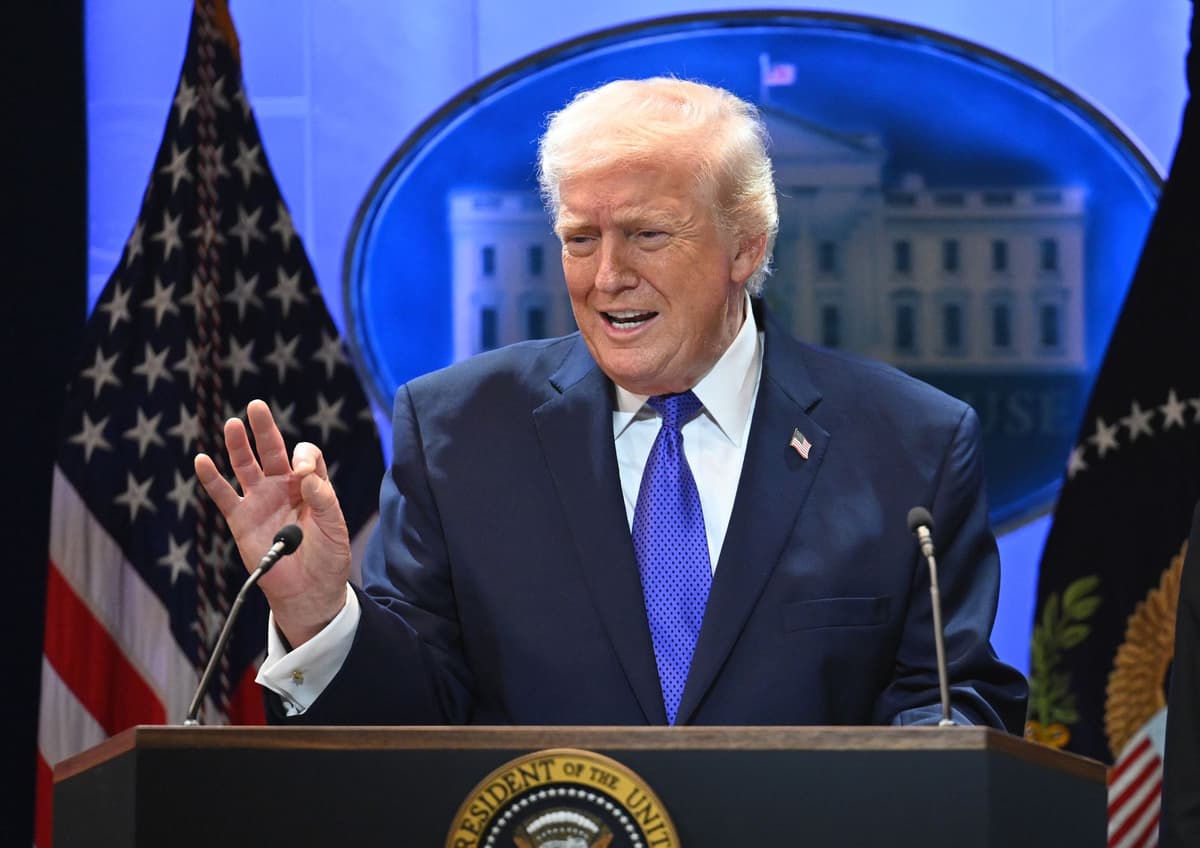
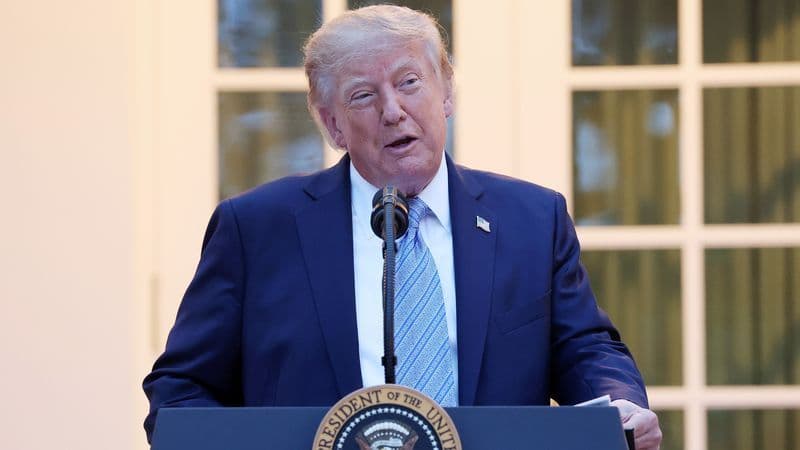
President Donald Trump announced plans to establish an "AI Force" with a law enforcement role, positioning his administration against recent industry commitments to slow artificial intelligence development. The president also pledged to appoint a new AI czar after David Sacks stepped down from the role to co-chair the president's Council of Advisors on Science and Technology.
In a Truth Social post, Trump compared calls to slow AI progress to politically driven "hoaxes" and promised his administration would "cherish" and "help" the industry rather than hinder it. He predicted AI could eventually represent 25% of U.S. GDP and prove more transformative than the internet, according to Fortune, which first reported the details.
The AI Force would function similarly to the Space Force created during Trump's first term, with the president suggesting existing criminal and civil justice systems could handle enforcement of bad behavior in the AI sector.
Industry leaders commit to throttling development
Trump's announcement came one week after major AI company executives agreed to reduce their development pace amid mounting safety concerns. Anthropic CEO Dario Amodei committed to giving independent evaluators permanent, employee-level access inside his company as part of broader safety measures. OpenAI CEO Sam Altman, SpaceX AI CEO Elon Musk, and Google DeepMind co-founder Demis Hassabis all agreed to the approach.
Altman told Fortune in an exclusive interview that leading AI labs may be close to announcing a formal pact to collectively address rapidly increasing safety risks.
The consensus followed a public resignation by Jacob Coxon, a researcher at Anthropic who accused both Anthropic and OpenAI of acting irresponsibly. "They are racing straight to self-improving superintelligence and gambling with our lives," Coxon wrote. Evan Hubinger, Anthropic's alignment science lead, confirmed that many researchers at both companies believe increasingly powerful AI could potentially eliminate humanity.
Why it matters
The tension between Trump's acceleration agenda and industry safety commitments creates regulatory uncertainty at a critical juncture for AI development. While the administration signals hands-off support, different government agencies have already moved to restrict AI companies—the Commerce Department temporarily imposed export restrictions on Anthropic's advanced models, and the Defense Department attempted to blacklist the company as a supply-chain risk before a judge ruled the action illegal. This fragmented approach could complicate efforts to balance innovation with safety oversight.
Legal challenge to slowdown agreement
A lawsuit filed in U.S. District Court for the Northern District of California alleged the AI companies violated antitrust laws by coordinating slowdown efforts. Plaintiffs claimed the agreement would reduce the value of AI subscriptions they purchased. Lead attorney Nick Rowley said the plaintiffs support federal AI regulation or antitrust exemptions, but oppose "private self-serving agreements between the world's most powerful 'for profit' technology companies" controlling AI safety protocols.
The details were first reported by Fortune.
This is an original analysis by the Omega editorial team. Source reporting: AI Watch.
Want systems like this working for your business?
Book a Call