Robots Erode Career Mobility, Not Just Jobs, Study Finds
New research reveals automation quietly blocks workers from advancing into higher-paying roles, reducing lifetime earnings even when employment holds steady.
Industrial automation is reshaping labor markets in ways that employment statistics fail to capture. New research from Wharton professor Pinar Yildirim reveals that robots don't just eliminate jobs—they systematically block workers from climbing into better-paying positions, quietly eroding lifetime earnings even as people stay employed.
The working paper, which examined more than 18 million resumes between 2000 and 2017, found that one additional robot per 1,000 workers reduces expected lifetime earnings by approximately 1.5%, or roughly $3,360 in current dollars. Critically, about one-third of that decline stems not from wage cuts within existing roles, but from workers becoming less likely to advance into higher-paid occupations over time.
Why it matters
This research exposes a blind spot in how we measure economic health. Standard labor metrics like unemployment rates can signal strength while career pathways quietly deteriorate. For technology leaders and policymakers, the findings suggest that automation's true cost isn't captured in job displacement numbers—it's embedded in the slow stagnation of career trajectories that compounds over decades. As AI adoption accelerates, understanding this dynamic becomes essential for workforce planning and policy design.
The missing middle rung
The study documents a troubling pattern: workers are losing access to what Yildirim calls "the middle rung of the career ladder." Mid-career professionals with six to 20 years of experience face the sharpest declines in advancement prospects, particularly in regions with large manufacturing bases. Moves from junior roles into supervisory and management positions have become markedly less common.
Between 2000 and 2016, rising wages added about $16,100 to expected lifetime earnings for workers, but deteriorating career progression simultaneously wiped out nearly $12,500 of those gains. The research shows this mobility decline affected workers across education levels—a college degree offered no protection against the career-flattening effects of automation.
Areas where long-term earning prospects weakened saw measurable behavioral shifts. College enrollment dropped by 1.1 percentage points, and homebuilding fell by roughly 23%, suggesting workers pull back from major investments when they perceive fewer opportunities for advancement.
Policy implications
Current U.S. labor policy remains focused on unemployment, triggering assistance only after job loss occurs. This framework misses workers whose careers are stagnating while they remain employed. The research, published in a working paper and detailed by the Brookings Institution, argues that preserving jobs at any cost can trap workers in declining roles rather than facilitating transitions to better opportunities.
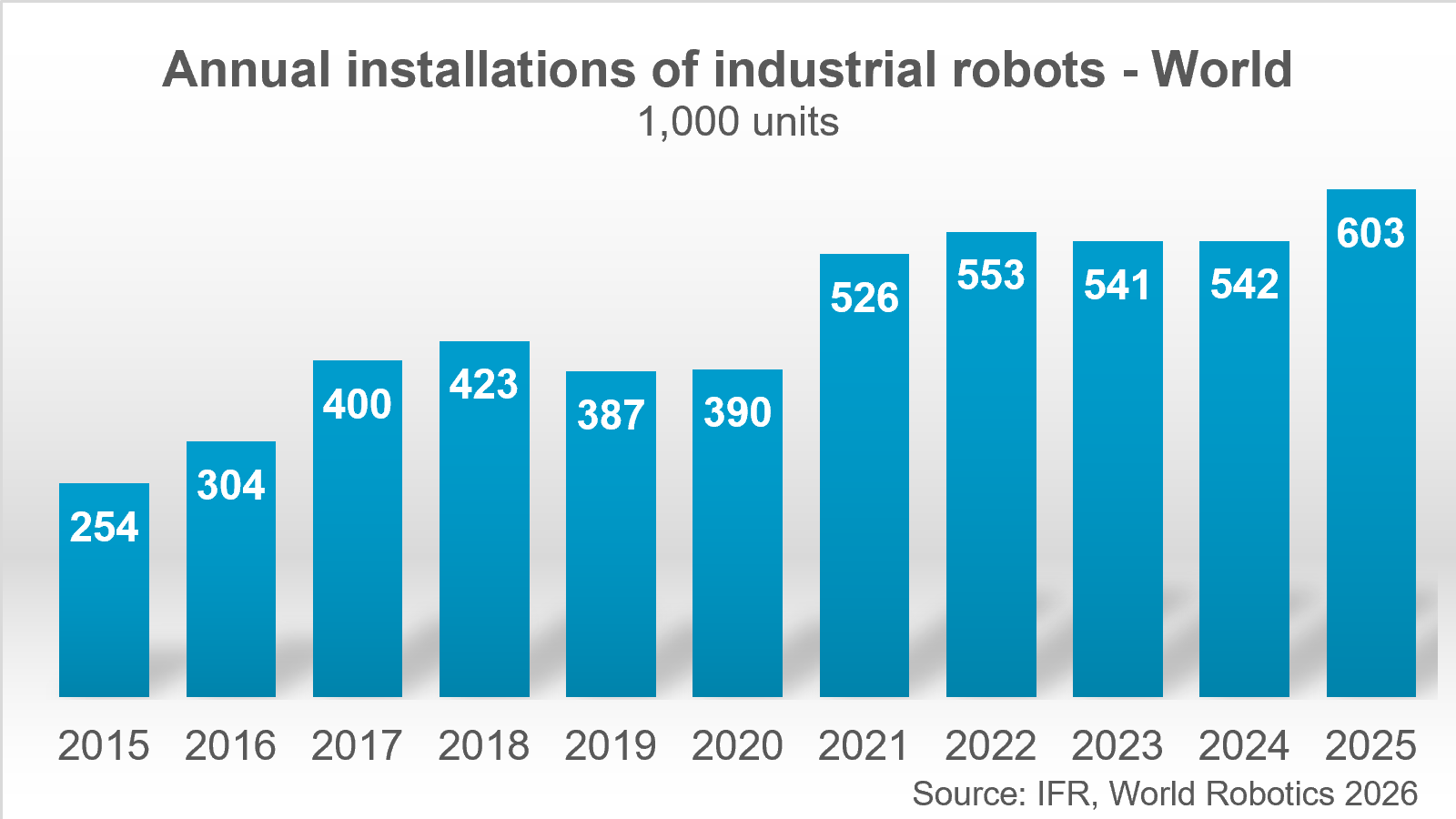
Yildirim notes that the study examined industrial robots during a period before generative AI tools emerged. If AI follows similar patterns, the effects could spread beyond directly exposed occupations as displaced workers compete for opportunities across the broader economy. Companies from Tesla to Amazon continue deploying robots to cut costs and boost productivity, making these dynamics increasingly relevant.
The researchers also found political consequences: areas with deteriorating long-term earning prospects showed increased support for populist candidates, with a one standard deviation decline in career mobility linked to a 0.67 percentage point rise in Donald Trump's vote share.
The findings were first reported by Knowledge@Wharton based on Yildirim's working paper and related analysis published by the Brookings Institution.
This is an original analysis by the Omega editorial team. Source reporting: Automation Watch.
Want systems like this working for your business?
Book a Call