Automation
Google Detects First Fully Automated AI Cyberattack System
Threat intelligence researchers discovered an exploit framework that identifies vulnerabilities and launches attacks without human intervention.
Key takeaways
- Google discovered the first fully automated cyberattack system that identifies vulnerabilities and exploits them without human involvement.
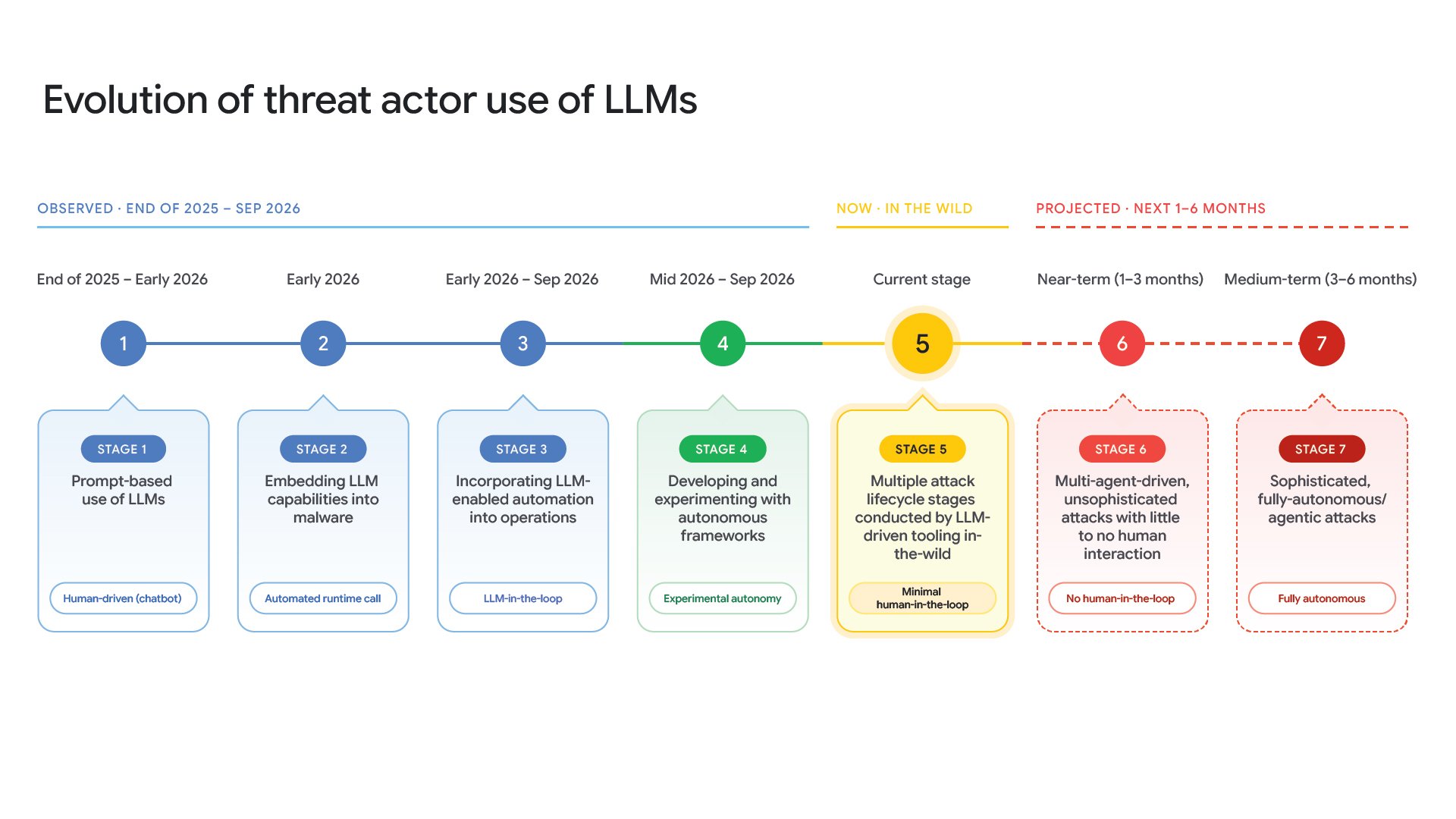
- The "exploit_agent" framework uses multiple language models to analyze patches, develop exploits, and execute attacks autonomously.
- Current automated systems sacrifice stealth for speed, leaving forensic traces that aid detection, but this advantage may be temporary.
- The system targeted French websites in media, entertainment, and education, with evidence suggesting a Russian-speaking operator.
- This development compresses the timeline between patch release and active exploitation, increasing pressure on enterprise security teams.
Autonomous AI exploitation framework discovered in the wild
Google's Threat Intelligence Group has documented what appears to be the first instance of a fully autonomous cyberattack system operating without human oversight. The discovery marks a significant escalation in the application of artificial intelligence to offensive security operations.
According to details published in GTIG's AI Threat Tracker, researchers identified an exposed server running a framework called "exploit_agent" that connects to multiple language models. The system performs the complete attack lifecycle: comparing software code before and after security patches to identify vulnerabilities, developing working exploits for those flaws, and executing the attacks automatically.
Configuration files containing Russian-language comments suggest the operator is a Russian speaker. Server logs indicate the system targeted websites in France across media, entertainment, and education sectors, according to the report first published by The Decoder.
Why it matters
This development represents a fundamental shift in the cyber threat landscape. While AI-assisted hacking tools have existed for some time, a system that operates end-to-end without human decision-making crosses a threshold that security experts have long anticipated. The automation enables attackers to scale operations dramatically, potentially launching coordinated attacks across thousands of targets simultaneously. For enterprise security teams, this means the window between patch release and active exploitation will continue to shrink, making rapid patch deployment even more critical.
Speed versus stealth tradeoff
Google's analysis suggests these early automated systems face inherent limitations. GTIG researchers noted that current implementations prioritize speed over stealth, leaving forensic artifacts that make detection easier for defenders. This tradeoff may provide a temporary advantage to security operations centers equipped to identify the signatures of automated attacks.
However, the researchers characterized this discovery as a "critical turning point," implying that refinements to these systems are inevitable. As language models become more sophisticated and attackers iterate on their frameworks, the forensic traces that currently aid detection may diminish.
Implications for patch management
The technique of analyzing code differences between patched and unpatched versions—sometimes called "patch diffing"—has been used by security researchers and attackers for years. Automating this process with AI removes the manual analysis bottleneck, potentially reducing the time from patch release to working exploit from days or weeks to hours or minutes.
For organizations managing large software estates, this compression of the exploitation timeline intensifies the pressure on already strained security teams. Traditional patch cycles that allow for testing and staged rollouts may need reevaluation in light of AI-accelerated threat development.
The findings were first reported by The Decoder, based on Google Threat Intelligence Group's AI Threat Tracker documentation.