GM Invests $200M in Skilled Trades as AI Disrupts Labor Market
CEO Mary Barra emphasizes need for better career messaging to attract Gen Z workers to manufacturing and technical roles.
General Motors is committing $200 million to strengthen skilled trades education in the United States, a move that comes as artificial intelligence continues to reshape the employment landscape.
Investment in Technical Careers
GM CEO Mary Barra highlighted the need for improved communication about trade career opportunities during a discussion on Fox Business's 'The Big Money Show.' The initiative targets Generation Z workers, positioning technical and manufacturing roles as viable alternatives to traditional four-year college paths.
The investment arrives at a moment when AI-driven automation is transforming job requirements across industries. While some roles face displacement, demand for skilled technicians who can work alongside advanced manufacturing systems continues to grow.
Why it matters
As AI reshapes which skills employers value, the gap between available technical jobs and qualified workers is widening. GM's investment signals that major manufacturers recognize they must actively build talent pipelines rather than simply compete for existing workers. For business leaders, this represents both a workforce challenge and an opportunity to redefine career pathways in an AI-augmented economy.
Targeting the Next Generation
The focus on Gen Z reflects broader demographic shifts in manufacturing. Younger workers have increasingly pursued four-year degrees over trade certifications, even as technical roles in modern manufacturing facilities offer competitive compensation and career advancement.
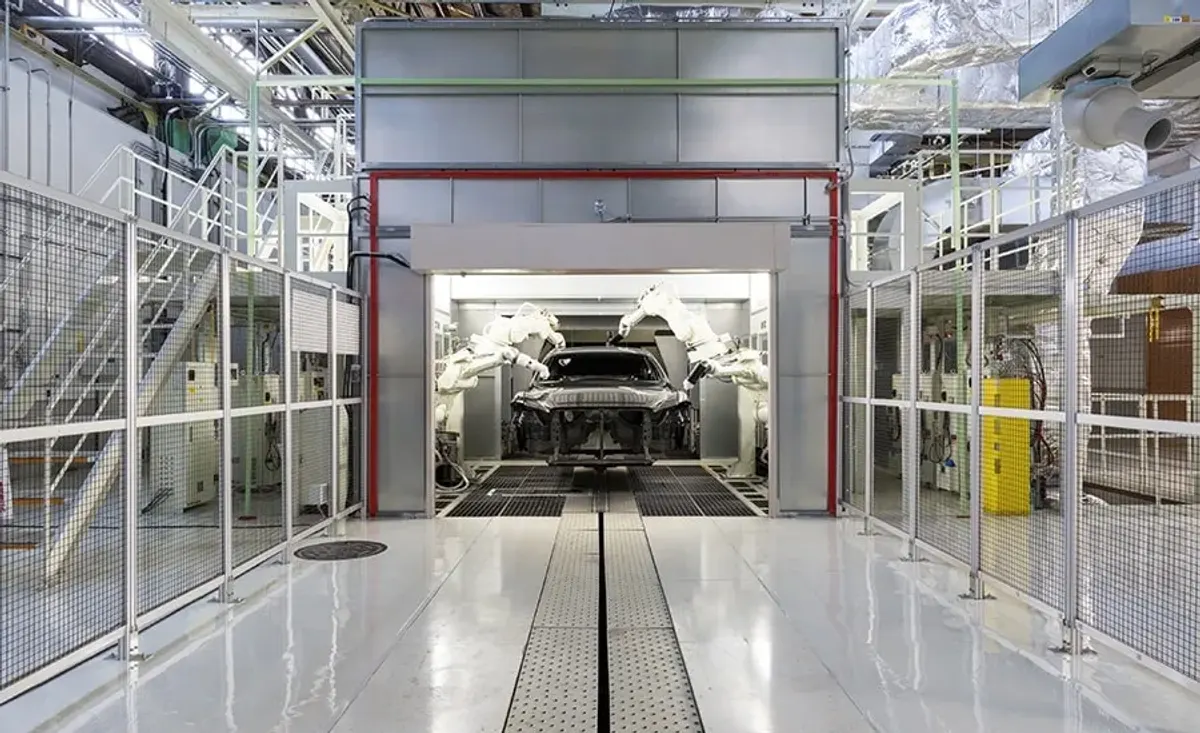
Barra's emphasis on "better messaging" acknowledges that perception gaps—not just skills gaps—limit trade career adoption. Manufacturing roles today often involve sophisticated technology, robotics integration, and digital systems management, a reality that doesn't align with outdated stereotypes of factory work.
The AI Context
The skilled trades push intersects with ongoing debates about AI's labor market impact. While automation eliminates some routine tasks, it simultaneously creates demand for workers who can maintain, program, and troubleshoot complex systems. Technical skills that blend hands-on expertise with digital literacy are becoming premium assets.
For automotive manufacturers like GM, this transition is particularly acute. Electric vehicle production, battery technology, and autonomous systems all require workforces with different skill sets than traditional internal combustion engine manufacturing.
The $200 million commitment suggests GM views workforce development as a strategic imperative rather than a corporate social responsibility initiative. In tight labor markets where technical talent commands premium wages, building training infrastructure may prove more cost-effective than competing for scarce experienced workers.
Details of the GM investment and Barra's comments were first reported by Fox Business.
This is an original analysis by the Omega editorial team. Source reporting: AI Watch.
Want systems like this working for your business?
Book a Call