Gartner Maps Four AI Tiers Reshaping Warehouse Operations
Research firm identifies distinct automation layers as logistics facilities move from pilot projects to production-scale deployments.
Four-tier framework for warehouse AI
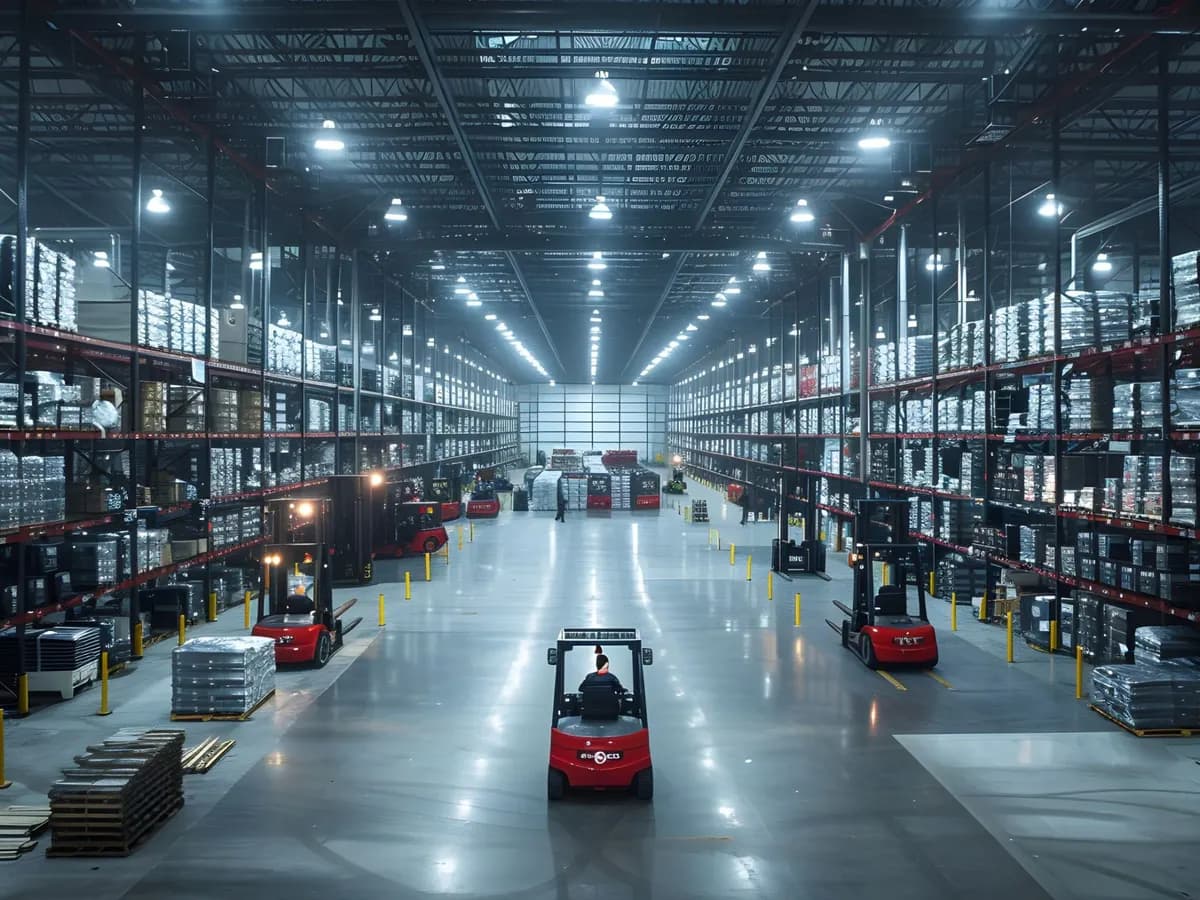
Warehouse automation has evolved into four distinct operational tiers, according to new analysis from Gartner, as logistics operators shift from experimental software trials to full-scale facility deployments.
The research firm identifies three converging forces accelerating this transition: persistent labor shortages that make automation essential, commercial models with reduced upfront capital requirements, and algorithms plus autonomous machinery that have achieved production-grade reliability. Gartner evaluates these systems along two axes—intelligence sophistication and operational action orientation—according to details first reported by Automation Watch.
Federica Stufano, Senior Principal Analyst in Gartner's Supply Chain practice, emphasized that these four trends are interconnected and signal the emergence of more intelligent, adaptive warehouse environments. She noted that successful enterprise deployment requires clear system visibility so supervisors understand automated reasoning on the floor, with human staff working alongside automated tools to address specific facility challenges.
Enhanced optimization and generative planning
The first tier involves advanced mathematical models that have moved beyond rigid heuristics. Modern calculation engines ingest live floor telemetry to direct operations, replacing static spreadsheets and simple decision trees.
Warehouse management systems apply these refined algorithms to demand forecasting, shift planning, travel routing, and stock placement. Systems continuously recalculate inventory movements as order profiles change during shifts, reducing operational expenditure while improving asset productivity. The underlying logic maintains deterministic audit trails required for regulatory compliance.
Machine learning models now interpret unstructured facility data alongside tabular logs. Operational generative systems read equipment maintenance records, vendor receipts, and incident tickets to compile dynamic documentation. Software agents produce instant standard operating procedures and updated picking instructions when supplier delays disrupt schedules, delivering real-time exception-handling guides directly to handheld terminals.
Semi-autonomous agents and physical automation
The third tier features autonomous software agents that handle complex workflows by combining analytical evaluation with human validation. These systems inspect active floor queues, reassign picking tasks, and redistribute machinery across loading bays.
Human managers retain manual override authority over high-value decisions. Software presents recommended operational sequences, but floor supervisors confirm dispatch orders before execution. This shared framework prevents workflow interruptions while accelerating responses to dock congestion.
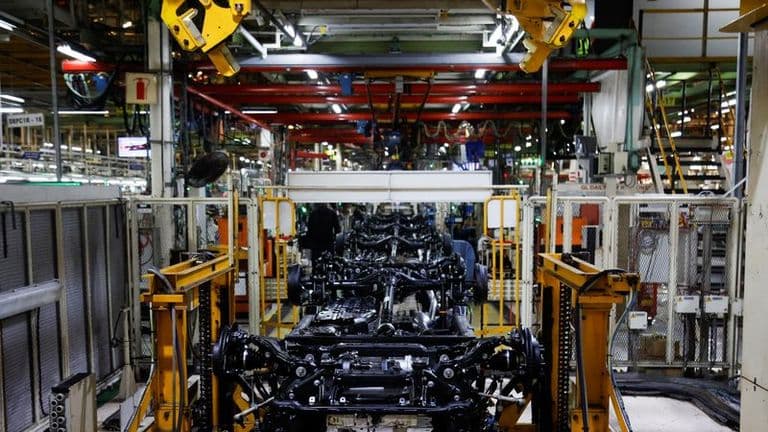
The fourth tier integrates machine learning algorithms directly with industrial robotics and spatial sensors. Autonomous systems execute picking, packing, sorting, and pallet transit across loading bays, maintaining high positional accuracy across multi-shift schedules. Deployment teams report steadier item velocity and fewer physical injuries in palletizing zones.
Why it matters
The four-tier framework provides logistics leaders with a practical roadmap for AI adoption at a time when labor shortages threaten operational continuity. By establishing operational baselines with proven inventory optimization tools first, distribution centers can subsequently introduce agentic assistants and autonomous equipment as workforce familiarity with algorithmic systems matures. Stufano recommends supply chain leaders take a pragmatic approach, tackling proven use cases like labor forecasting before expanding into generative AI and agents where they can improve decision-making and workforce productivity.
The analysis was published by Gartner this month and reported by Automation Watch.
This is an original analysis by the Omega editorial team. Source reporting: Automation Watch.
Want systems like this working for your business?
Book a Call