Toyota Eyes $6.4B Annual Factory Automation Spend Starting 2028
The world's largest automaker plans to deploy 400,000 robots across its facilities and supplier network as part of a sweeping modernization effort.
Toyota's Trillion-Yen Automation Ambition
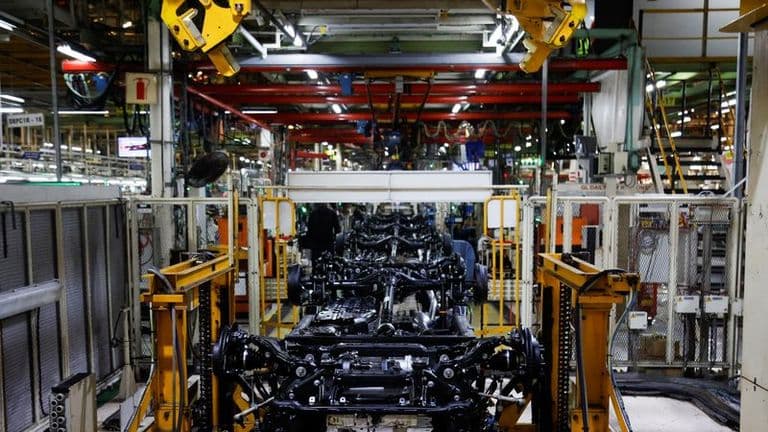
Toyota Motor has outlined a potential factory modernization investment of 1 trillion yen ($6.4 billion) annually beginning in 2028, according to details the automaker shared with investors. The spending would fund an aggressive expansion of automation and robotics across Toyota's own facilities, group companies, and major suppliers.
The investment framework encompasses approximately 400,000 robots—a mix of replacements for aging equipment and new installations spanning both traditional industrial robots and emerging humanoid designs. Reuters first reported the figures following Toyota's investor discussions earlier this month.
Toyota did not confirm whether the investment would definitely proceed or specify the duration of the spending program. The company framed the estimate as part of broader factory automation plans that include industrial robotics, automated logistics systems, and future human-robot collaborative work on production lines.
Why it matters
Toyota's robotics push reflects a strategic shift across the automotive sector as manufacturers confront labor shortages, aging infrastructure, and pressure to reduce costs. For investors, the move signals potential revenue streams beyond vehicle sales—positioning automakers as significant players in the industrial robotics market. Analysts at Bernstein noted the disclosure could reshape how markets value Toyota, with robotics-related announcements expected to increase as the company accelerates these efforts.
Industry-Wide Automation Race
Toyota's plans align with broader industry trends. Automakers worldwide are ramping up robotics deployment to address similar operational challenges. Hyundai, which acquired humanoid robot developer Boston Dynamics, has announced plans to deploy humanoid robots at its Georgia manufacturing plant starting in 2028—the same timeline Toyota is targeting.
The convergence on 2028 as a deployment milestone suggests automakers see that timeframe as critical for next-generation factory technology to reach commercial viability. Humanoid robots, in particular, represent a departure from traditional fixed industrial arms, offering flexibility to work alongside human employees in existing facility layouts.
Bernstein analysts characterized Toyota's robotics focus as opening "a growth avenue beyond vehicle manufacturing." Their Friday note projected that robotics announcements would become more frequent as Toyota intensifies development work in the field.
Scale and Scope
The 400,000-robot figure Toyota discussed with investors represents substantial scale. The deployment would span not just Toyota's own production facilities but extend throughout its supplier ecosystem, potentially standardizing automation approaches across its manufacturing network.
The investment covers multiple automation categories: traditional industrial robots for assembly and manufacturing tasks, automated logistics systems for parts movement and inventory management, and collaborative robots designed to work safely alongside human workers. This comprehensive approach suggests Toyota views factory automation as a complete system transformation rather than isolated equipment upgrades.
Details of the potential investment were first reported by Reuters, based on information Toyota shared with investors in September.
This is an original analysis by the Omega editorial team. Source reporting: Automation Watch.
Want systems like this working for your business?
Book a Call