FAA to Deploy AI Traffic Management System in D.C. This Week
The SMART platform will coordinate flight routing and predict conflicts up to 45 days ahead as part of a multi-billion dollar modernization push.
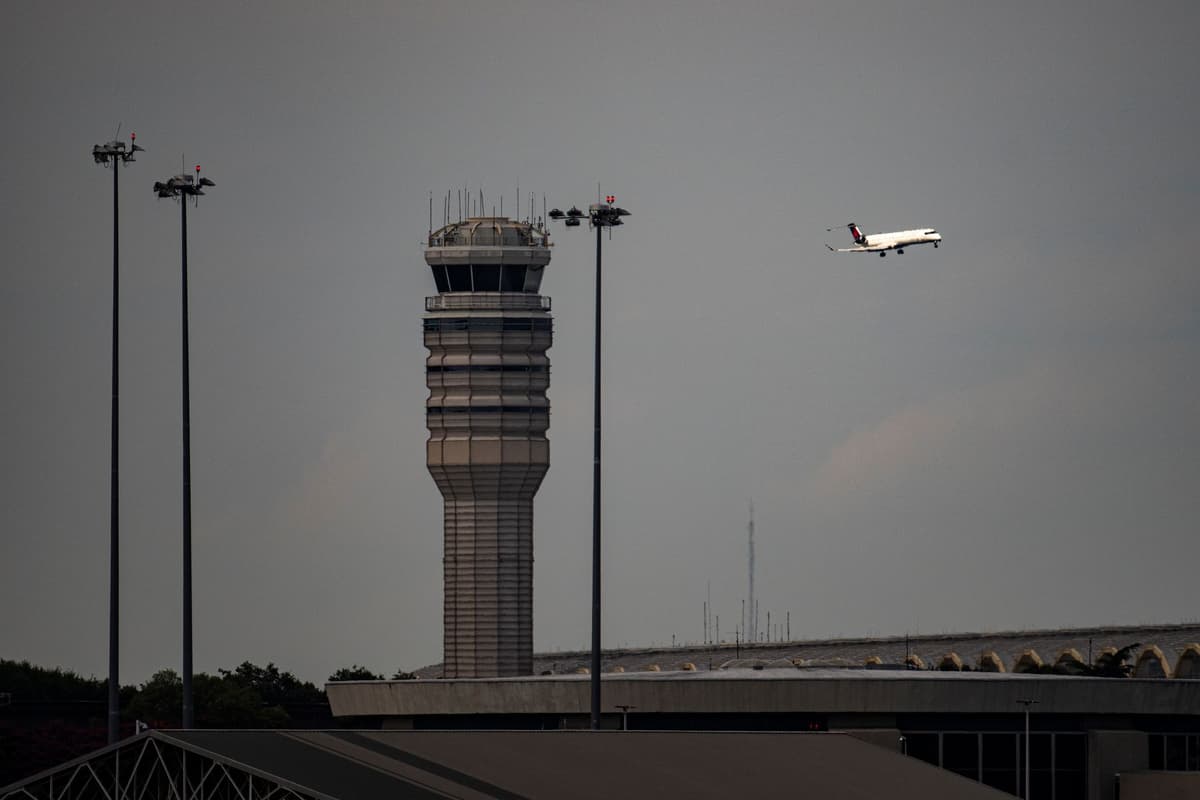
The Federal Aviation Administration will activate an artificial intelligence-based air traffic management system in the Washington, D.C., region as early as Monday, marking the first phase of a technology overhaul designed to reduce flight delays and cancellations across the country.
The platform, called SMART (Strategic Management of Airspace, Routes, and Trajectories), processes airline schedules alongside real-time data on weather, runway capacity, and operational constraints to identify traffic bottlenecks and routing conflicts before they cascade into systemwide disruptions. Air Space Intelligence built the system under an $875 million, 12-year contract awarded earlier this year, according to details first reported by the Wall Street Journal.
Why it matters
Chronic air traffic controller shortages have strained the FAA's ability to manage increasingly complex airspace. This AI deployment represents the agency's most significant technological intervention to date — one that could reshape how the U.S. handles more than 45,000 daily flights without replacing human decision-makers. The success or failure of SMART will likely influence how other nations approach similar modernization challenges.
How the system works
SMART functions as a cloud-based intelligence layer that sits atop existing FAA air traffic management infrastructure. Rather than automating controller decisions, the system flags potential conflicts as far as 45 days in advance and recommends minor flight adjustments to prevent delays from materializing. Transportation Secretary Sean Duffy has characterized the technology as a forecasting tool that gives controllers more lead time to solve problems.
Internal FAA documentation reviewed by TechCrunch describes SMART as enhancing, not replacing, current systems. Once fully deployed nationwide, the platform is intended to serve as the central coordination hub for U.S. air traffic control operations.
Funding and timeline
Duffy has requested between $6 billion and $10 billion from Congress specifically for AI integration into air traffic control, supplementing $12.5 billion already allocated for broader infrastructure modernization. The Department of Transportation aims to complete the full system overhaul by the end of 2028.
Both the FAA leadership and the National Air Traffic Controllers Association have emphasized that the technology will not displace human controllers. "AI is a tool, but we do not replace humans in how we manage the airspace," Duffy told CBS News, adding that AI would never independently manage airspace. Nick Daniels, union chief of the controllers association, similarly stated the upgrades pose "not competition for the controller workforce."
The Washington, D.C., deployment will serve as a proving ground before the system expands to other regions. The Wall Street Journal first reported the launch details and contract value.
This is an original analysis by the Omega editorial team. Source reporting: AI Watch.
Want systems like this working for your business?
Book a Call