FAA Pilots AI Traffic Tool at Three Major East Coast Airports
The SMART system will provide real-time data to air traffic controllers at BWI, Dulles, and Reagan National before wider deployment.
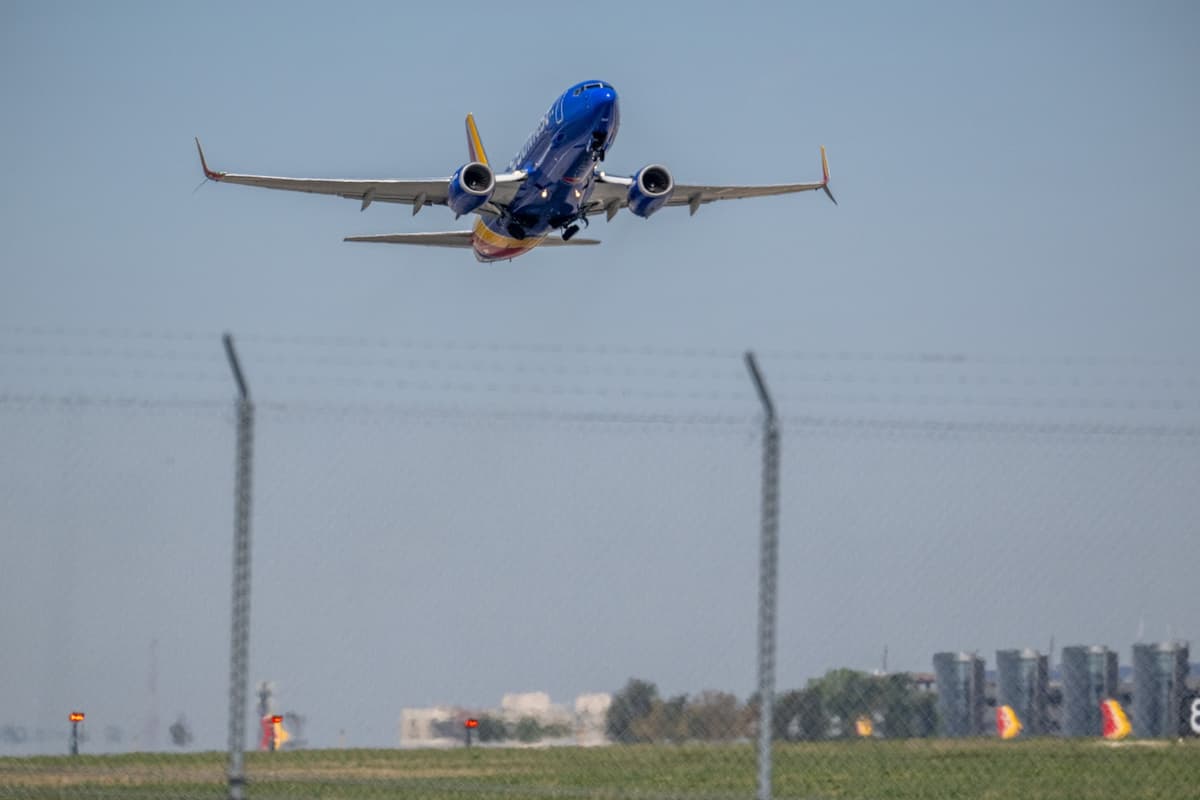
The Federal Aviation Administration has begun testing an artificial intelligence system designed to assist air traffic controllers at three major airports in the Baltimore-Washington corridor, officials announced this week.
The Strategic Management of Airspace, Routes and Trajectories — known as SMART — is now operating at BWI Thurgood Marshall, Dulles International, and Reagan National airports. The system delivers real-time and predictive data about weather conditions, runway congestion, and flight diversions to help coordinators maintain a comprehensive view of airspace conditions.
How the system works
SMART can suggest adjustments to flight paths or aircraft speeds when multiple planes are scheduled to land simultaneously at the same airport. Air traffic managers can then relay these recommendations to pilots. The tool also helps controllers navigate severe weather systems more precisely, according to FAA Administrator Bryan Bedford, who said it should reduce the frequency of ground stops.
The system is part of Modern Skies, a $12.5 billion modernization effort targeting the software, hardware, and infrastructure that supports U.S. air travel operations.
Why it matters
The pilot program arrives at a critical moment for aviation infrastructure. A January 2025 midair collision near Reagan National that killed 67 people intensified scrutiny of the nation's aging air traffic control systems. The deployment of AI tools in safety-critical operations will likely fuel ongoing debates about appropriate oversight of artificial intelligence in high-stakes environments, particularly as state and federal lawmakers push for stronger AI regulation.
Human controllers remain in charge
Transportation Secretary Sean Duffy emphasized during a demonstration that the technology will augment rather than replace human decision-making. "It's always going to be a human that manages the airspace in [the United States of] America," Duffy said. "We are not outsourcing aviation to AI."
The tool aims to keep controllers focused on safety by providing better data rather than automating their core responsibilities.
Industry support and timeline
Several airline executives have endorsed the initiative. Southwest Airlines CEO Bob Jordan, whose carrier operates most flights through BWI, said the system "has the real potential to more efficiently manage the nation's airspace and reduce flight delays and cancellations."
Duffy indicated the rollout will proceed gradually, with travelers potentially seeing improvements to travel times by next summer.
The Baltimore Banner first reported details of the SMART system pilot program.
This is an original analysis by the Omega editorial team. Source reporting: AI Watch.
Want systems like this working for your business?
Book a Call