FAA Air Traffic Control Upgrades Increase Controller Workload First
New automation systems add complexity for years before delivering efficiency gains, according to a veteran controller.
New automation creates years of added burden
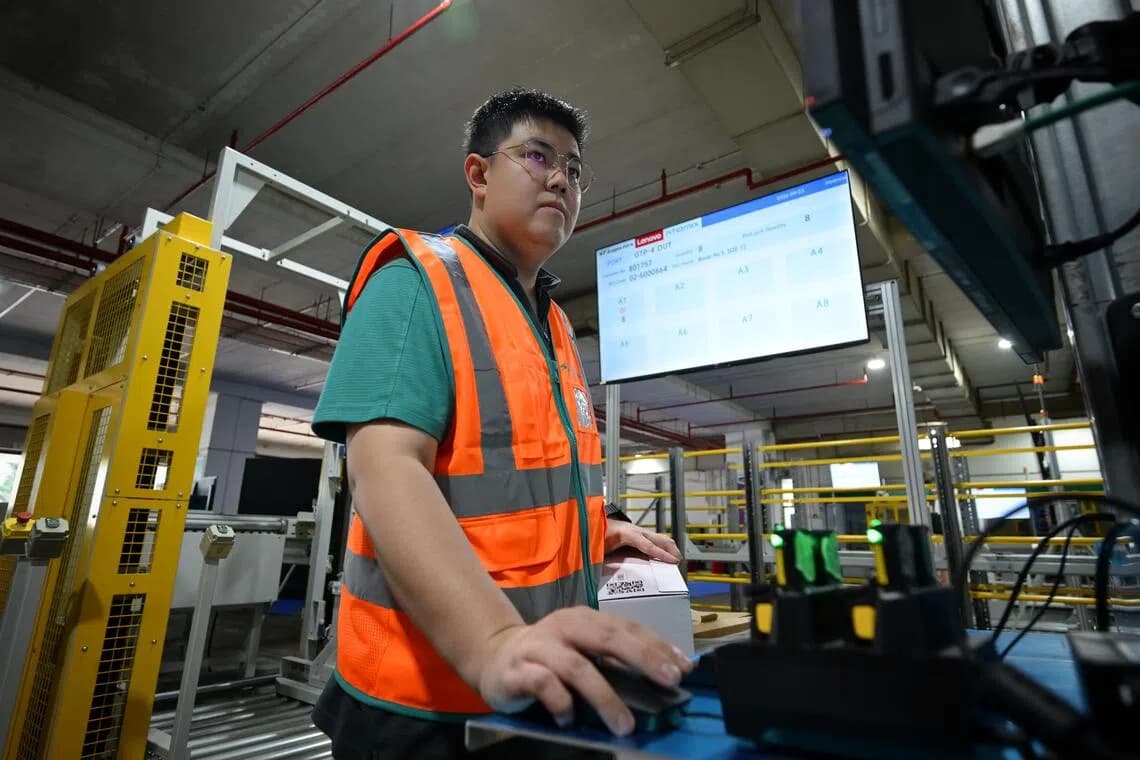
Air traffic control automation doesn't deliver immediate relief to controllers — it makes their jobs harder first, sometimes for years. That's the warning from Vincent E. Bianco III, a contributing writer who has experienced previous system transitions firsthand.
Writing on September 23, 2026, Bianco argues the Federal Aviation Administration should evaluate vendors competing for its next-generation air traffic control system not just on software capabilities, but on their plans for staffing, deployment sequencing, and managing the transition period when workload spikes.
Fragmented modernization creates repeated disruptions
The challenge extends beyond the technology itself. A September 14 Government Accountability Office report revealed the FAA is managing its current modernization effort through 11,389 separate project schedules that have never been integrated into a unified plan.
This fragmentation forces the agency to send installation crews to the same facilities multiple times without coordinating visits to minimize operational disruption. Controllers must maintain live traffic operations throughout each visit.
The GAO cited a St. Louis facility scheduled to receive technicians in April 2027 for voice switch preparation, then a different team approximately eight months later for new information displays. Each deployment requires the facility to absorb the installation work while continuing normal operations.
Why it matters
The FAA's approach to modernization directly affects aviation safety and efficiency during a critical transition period. Controllers managing unfamiliar systems while learning new procedures face elevated cognitive load precisely when they need to maintain the same safety standards. For the five companies now competing to build the second phase of the FAA's modernization plan, this reality means deployment strategy may prove as important as technical performance. The winner will need to demonstrate not just superior software, but a realistic plan for managing the human side of the transition.
Competing for the next generation
The installations described represent the first phase of the FAA's modernization roadmap. Five companies are currently competing to build the larger second-phase system, though the source does not identify the bidders or specify the system's scope.
Bianco's perspective, drawn from direct experience with previous air traffic control system transitions, suggests the procurement process should weight transition management as heavily as technical specifications. The current phase's coordination problems underscore that concern.
These details were first reported by Leeham News and Analysis in Automation Watch.
This is an original analysis by the Omega editorial team. Source reporting: Automation Watch.
Want systems like this working for your business?
Book a Call