Boeing Urges Suppliers to Automate as Production Scales
The aircraft manufacturer is pushing its supply chain toward greater automation to eliminate bottlenecks and accelerate jet production rates.
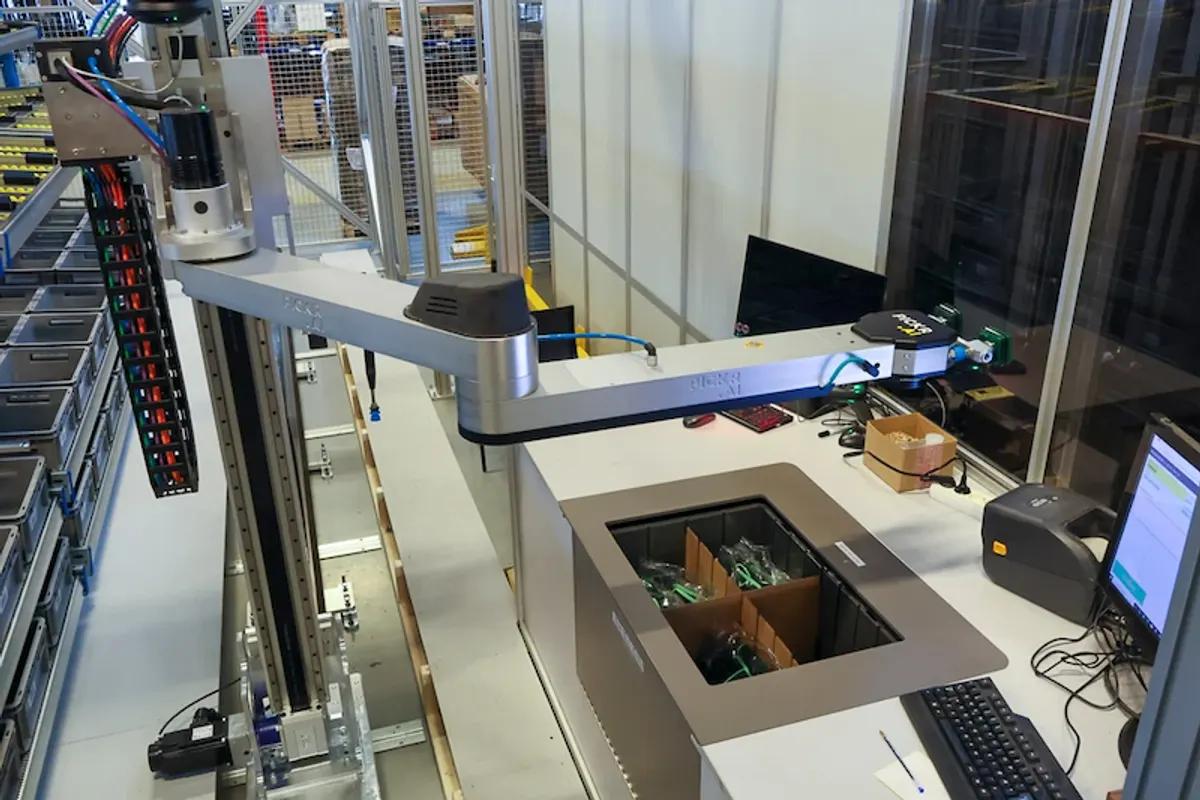
Boeing is pressing its supplier network to adopt more automation technologies as the aerospace giant works to increase aircraft production and address ongoing manufacturing constraints.
Chief Technology Officer Lane Ballard made the call during an industry event on Wednesday, emphasizing that aerospace manufacturing requires modernization to meet production targets. The push comes as Boeing attempts to scale up jet production following years of setbacks and supply chain challenges.
The automation imperative
Ballard's comments, first reported by Seeking Alpha, signal Boeing's recognition that traditional manufacturing approaches may no longer suffice for the production volumes the company aims to achieve. By encouraging suppliers to embrace automation, Boeing is effectively acknowledging that bottlenecks in its supply chain have become a limiting factor in its ability to deliver aircraft on schedule.
The aerospace industry has historically lagged other manufacturing sectors in automation adoption, relying heavily on skilled manual labor for complex assembly tasks. Boeing's supplier push suggests the company believes this gap must close for the industry to meet demand.
Why it matters
Boeing's automation push reflects broader pressures facing aerospace manufacturers: tight labor markets, increasing production complexity, and the need to reduce costs while maintaining quality standards. For suppliers, the message is clear—invest in automation or risk losing business to competitors who can deliver components faster and more consistently. The initiative also indicates Boeing is taking a more active role in shaping its supply chain capabilities rather than simply accepting supplier limitations as constraints on its own production schedules.
Supply chain as strategic priority
The emphasis on supplier automation comes as Boeing works to overcome persistent manufacturing challenges that have delayed deliveries and strained relationships with airline customers. By modernizing the supply base, Boeing aims to create more predictable production flows and reduce the variability that has plagued its operations.
For aerospace suppliers, the message represents both opportunity and pressure. Companies that successfully implement automation may secure stronger positions in Boeing's supply chain, while those that resist modernization could find themselves marginalized as the manufacturer seeks more capable partners.
The details were first reported by Seeking Alpha.
This is an original analysis by the Omega editorial team. Source reporting: Automation Watch.
Want systems like this working for your business?
Book a Call