Asia's AI ambitions hinge on electricity market reform
Data center capacity announcements are outpacing grid infrastructure, threatening the region's position in the AI value chain.
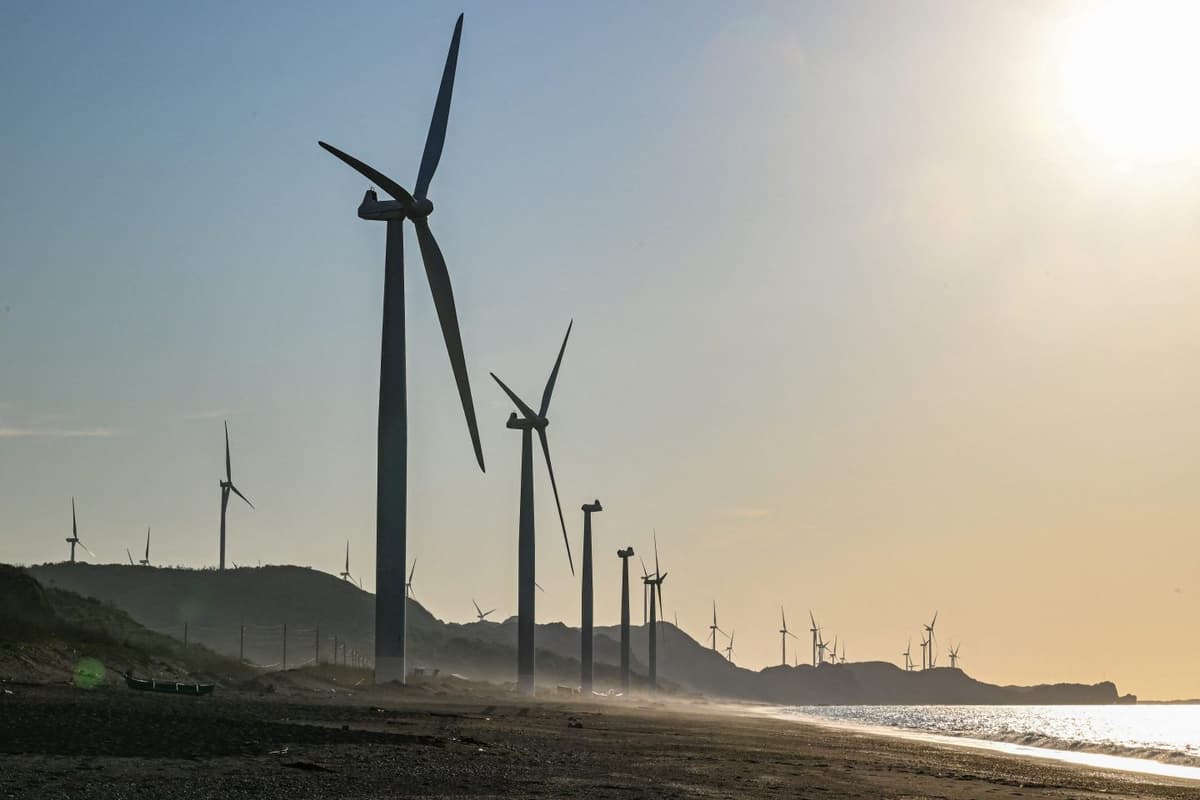
Grid bottlenecks threaten Asia's AI infrastructure boom
Asia's race to capture a share of the artificial intelligence economy is running into a fundamental constraint: electricity infrastructure that cannot keep pace with ambition. Despite aggressive national AI strategies—including Japan's recent 370 trillion yen ($2.3 trillion) budget with over a quarter allocated to AI and semiconductors over 15 years—the region delivered only 38% of its announced data center capacity in 2024, according to research from Oxford's Smith School.
The gap between announcement and execution stems from systemic grid limitations. Data center power demand across Asia-Pacific is projected to surge 165% between 2023 and 2030, but the transmission and storage infrastructure needed to support that growth remains severely underfunded. The International Energy Agency estimates Southeast Asia requires $50 billion annually in grid and storage investment through 2050, yet the region invested just $13 billion in 2025.
Malaysia and India illustrate the challenge. Johor has halted construction of Tier 1 and 2 data center facilities due to water infrastructure concerns, while India's goal to double capacity by the end of the next financial year confronts severe grid delivery delays. The pattern mirrors problems in the United States, where up to half of planned data center projects may fail to launch this year, and 75 projects worth $130 billion were blocked or delayed in the first quarter alone.
Why it matters
Every quarter of delay in building compute infrastructure represents talent, capital, and competitive advantage that migrates elsewhere. With the U.S. planning $4 trillion in data center construction through 2028, Asia's execution gap could permanently diminish its role in the AI value chain. The mismatch between announced and deliverable capacity is already distorting commodity markets, with copper prices elevated on assumptions of construction demand that may never materialize and transformer costs running two to three times pre-2020 levels.
Market structure holds back investment
The deeper problem is market architecture. Most Asian electricity systems rely on vertically integrated, state-owned utilities that act as single buyers, with administratively set retail tariffs and limited third-party trading. This structure denies renewable energy investors the long-term price certainty available in mature markets like Europe and the United States, where forward contracts and derivatives provide transparent pricing signals.
Without deeper, more liquid electricity markets, investors face heightened exposure to government intervention during demand surges, increasing the risk that critical grid projects stall. Renewable generation typically occurs far from demand centers and operates intermittently, making transmission and storage upgrades essential—but these projects require the kind of long-dated capital commitments that opaque markets discourage.
Some progress is emerging. Japan's power futures market has become the fastest-growing electricity derivatives market globally. India's power exchange IEX now operates day-ahead and term-ahead markets. Cross-border electricity trading from Laos through Thailand and Malaysia to Singapore began in 2022. Singapore, Malaysia, and South Korea are implementing regulatory frameworks requiring data center developers to include battery storage, curtailment management, and grid-impact assessments in their plans.
These developments point toward a necessary evolution: electricity markets in Asia must achieve the same depth, transparency, and tradability as global crude oil markets. Only then will capital deploy ahead of demand rather than lagging behind it, enabling the AI infrastructure buildout the region seeks.
These details were first reported by Fortune in an opinion piece analyzing Asia's energy market challenges.
This is an original analysis by the Omega editorial team. Source reporting: AI Watch.
Want systems like this working for your business?
Book a Call