AI Recycling Robots Sort 70 Items Per Minute at Denver Facility
Republic Services deploys Glacier machines that use computer vision to recover 25 tons of material daily that would otherwise reach landfills.
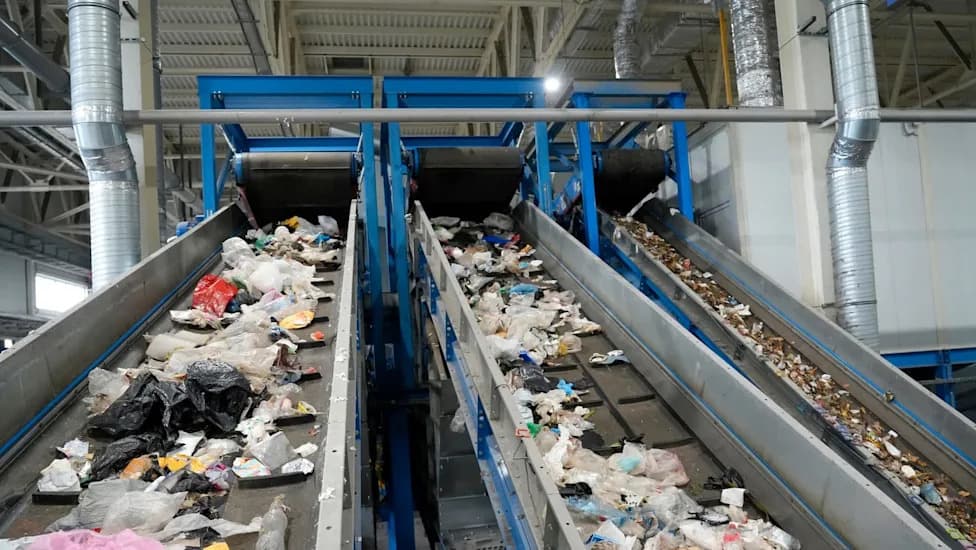
AI-powered sorting accelerates recycling operations
A Denver recycling facility is demonstrating how artificial intelligence can dramatically improve material recovery rates while reshaping the workforce in waste management.
Republic Services' Denver plant processes approximately 500 tons of material daily from metro Denver and mountain communities including Golden, Arvada, Louisville, Vail, and Steamboat Springs. The facility recently added two Glacier AI-driven robots that use camera systems and computer vision to identify and extract recyclable materials from conveyor belts with unprecedented speed and accuracy.
The robotic arms equipped with suction systems can pick 60 to 70 items per minute from moving belts, compared to 40 to 50 picks by human sorters, according to facility general manager Steve Derus. Each robot costs roughly $90,000 to install, but the investment is yielding measurable results: the two machines collectively prevent about 25 tons of material from reaching landfills each day.
Economic and operational benefits
The improved sorting precision creates higher-quality recycled material streams that command better prices in commodity markets. This economic advantage helps offset the capital investment in the technology.
Derus emphasized that the robots aren't eliminating jobs but transforming them. Workers are transitioning from manual sorting roles—which pay slightly above minimum wage and face chronic staffing shortages—into technical positions such as equipment maintenance, forklift operation, and system support.
The facility has used robots in some capacity for years, but the newer Glacier machines represent a significant capability upgrade. The AI systems can distinguish between material types more reliably than previous generations of automation, reducing contamination in recycled material streams.
Why it matters
Recycling facilities face a dual challenge: maximizing material recovery while managing labor costs in an industry with high turnover and difficult working conditions. AI-powered sorting addresses both issues simultaneously.
By capturing 25 tons of recyclable material daily that would otherwise be classified as residue, the Denver facility is extending landfill capacity and reducing the environmental footprint of waste management. Higher-quality sorted materials also strengthen the economic case for recycling programs, making them more sustainable for municipalities and private operators.
The workforce transformation aspect carries particular significance as the waste management industry struggles with recruitment. Converting physically demanding, repetitive sorting jobs into technical roles that require training and offer better compensation could help stabilize employment in the sector.
Derus called the technology "the way of the future," though he noted that upstream waste reduction through reusable and plastic-free products remains important for overall environmental impact.
These details were first reported by Denver7.
This is an original analysis by the Omega editorial team. Source reporting: AI Watch.
Want systems like this working for your business?
Book a Call