AI
AI Gun Detector Mistook Doritos for Firearm at Maryland High School
Baltimore County students sue school district and Omnilert after false alert led to police confrontation with guns drawn.
Key takeaways
- Baltimore County students sued after Omnilert's AI gun detection system mistakenly identified a Doritos bag as a firearm in October 2025.
- Police responded with guns drawn and detained four teenagers before discovering the flagged object was a bag of chips.
- The lawsuit seeks to bar the school district from using Omnilert until improved training and protocols are implemented.
- Omnilert maintains its system operated correctly by flagging a suspicious image for human review and rapid decision-making.
- The incident has prompted county leaders to question protocols connecting AI alerts to armed police responses in schools.
Students File Lawsuit After AI Misidentification
Current and former students at a Baltimore County high school have filed a lawsuit against the school district, police department, and AI gun detection vendor Omnilert following an October 2025 incident in which the system flagged a bag of Doritos as a firearm.
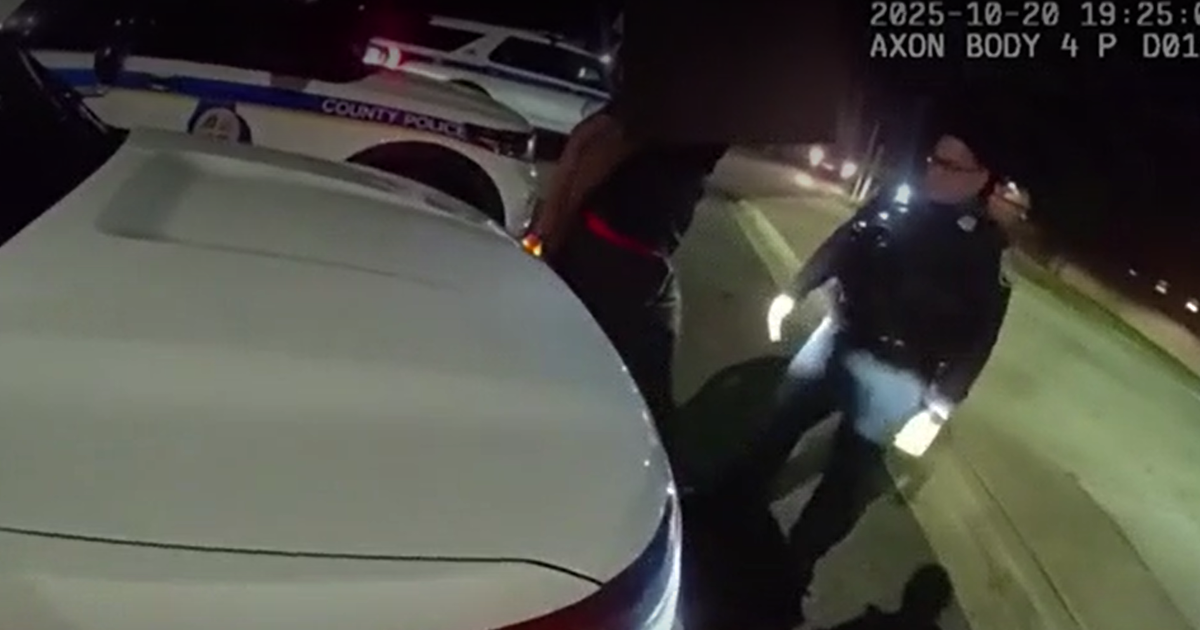
The false alert triggered an armed police response at Kenwood High School, where officers surrounded four teenagers with weapons drawn before detaining and searching them. Body-worn camera footage later confirmed the flagged object was a bag of chips.
The lawsuit alleges unreasonable search and seizure, false arrest, false imprisonment, and negligence. Students are seeking unspecified damages and requesting the court prohibit Baltimore County Public Schools from using Omnilert until the district implements improved training and operational protocols.
Why It Matters
This case highlights the real-world consequences when AI security systems generate false positives in educational settings. The incident raises critical questions about the protocols connecting automated threat detection to law enforcement response, particularly when armed officers confront students based on algorithmic alerts. As schools nationwide adopt AI-powered security tools, the lawsuit could influence how districts balance safety technology with student rights and appropriate human oversight.
How the System Operates
Omnilert's AI Gun Detection System analyzes visual data and sends alerts when it identifies potential weapons. In this case, the system flagged what it interpreted as a gun-shaped object and routed the alert to company personnel for verification.
An Omnilert spokesperson stated that the image "closely resembled a gun" and was verified and forwarded to Baltimore County Public Schools' safety team within seconds. The company maintained the system operated as designed—detecting a possible threat, enabling human review, and supporting rapid decision-making. The event was marked resolved within moments in Omnilert's system.
Baltimore County police responded to the verified alert by approaching the students with guns drawn. After searching one student and confirming no weapon was present, the Department of School Safety and Security reviewed and canceled the alert.
Officials Defend and Question Response
Then-Superintendent Myriam Rodgers defended the system, stating it functioned according to design by signaling an alert for human assessment. She emphasized the process allowed humans to determine whether genuine cause for concern existed.
However, Baltimore County Councilman Julian Jones questioned the appropriateness of the response. "How did it come to be that we had police officers with guns drawn approaching a kid because of a bag of Doritos?" Jones asked, reflecting broader concerns about the incident's impact on the students involved.
County leaders called for a review of the system despite assurances from school officials and Omnilert that it was working properly.
These details were first reported by CBS News Baltimore.