AI
Google Cloud deploys AI agents to orchestrate HPC workloads
At SC26, the cloud provider outlined how agentic systems now tie together distributed computing resources and accelerate time to discovery for researchers.
Key takeaways
- Google Cloud is using AI agents to orchestrate HPC workloads across distributed cloud and on-premises infrastructure, removing complexity for research teams.
- The focus in high-performance computing is shifting from peak performance metrics to time to discovery as AI accelerates hypothesis generation and simulation.
- NOAA's forecasting platform and the National Hurricane Center's Hurricane Melissa predictions demonstrate agentic HPC moving into production weather systems.
- AI-generated results still require human validation, with concerns that younger researchers may over-rely on machine output without developing critical evaluation skills.
- Google's strategy combines purpose-built hardware, open-source orchestration tools like Slurm and Kubernetes, and collaborative AI agents to reduce simulation time.
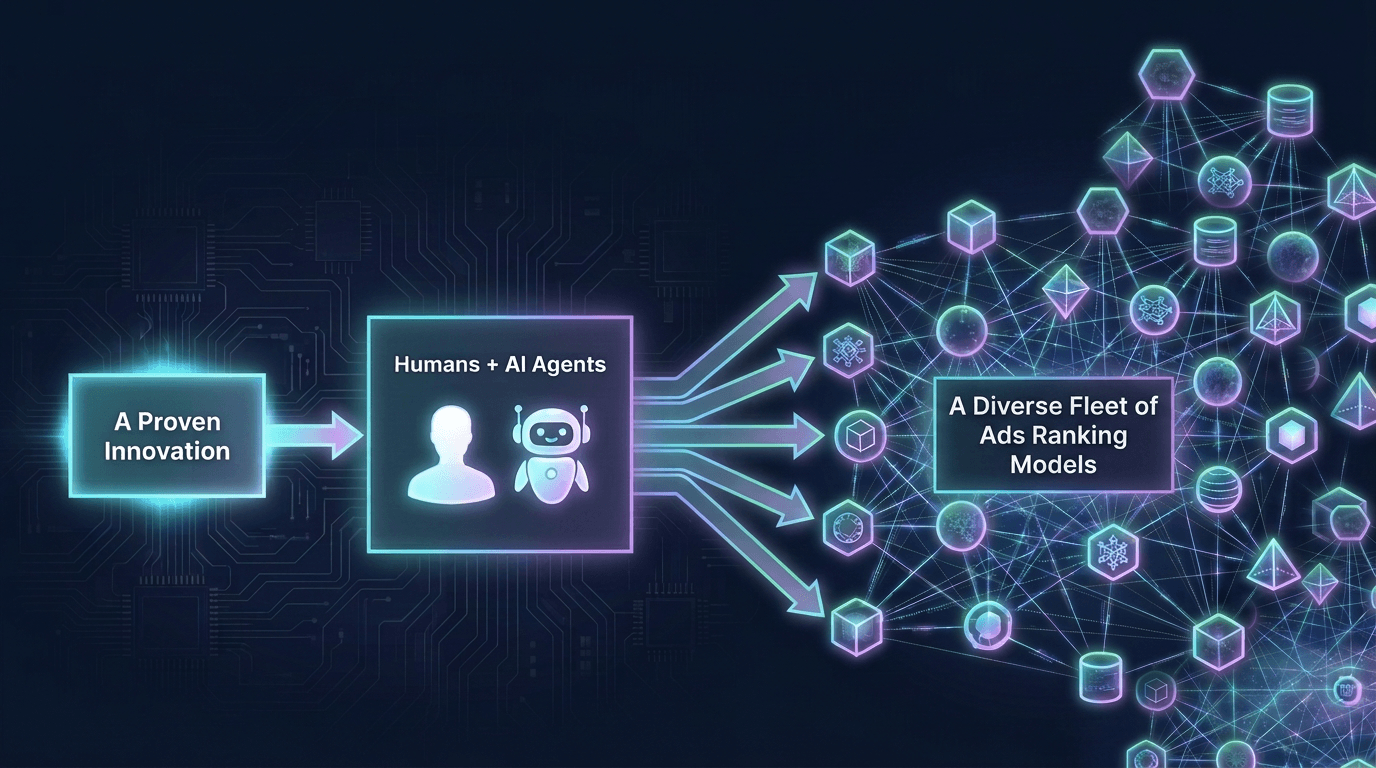
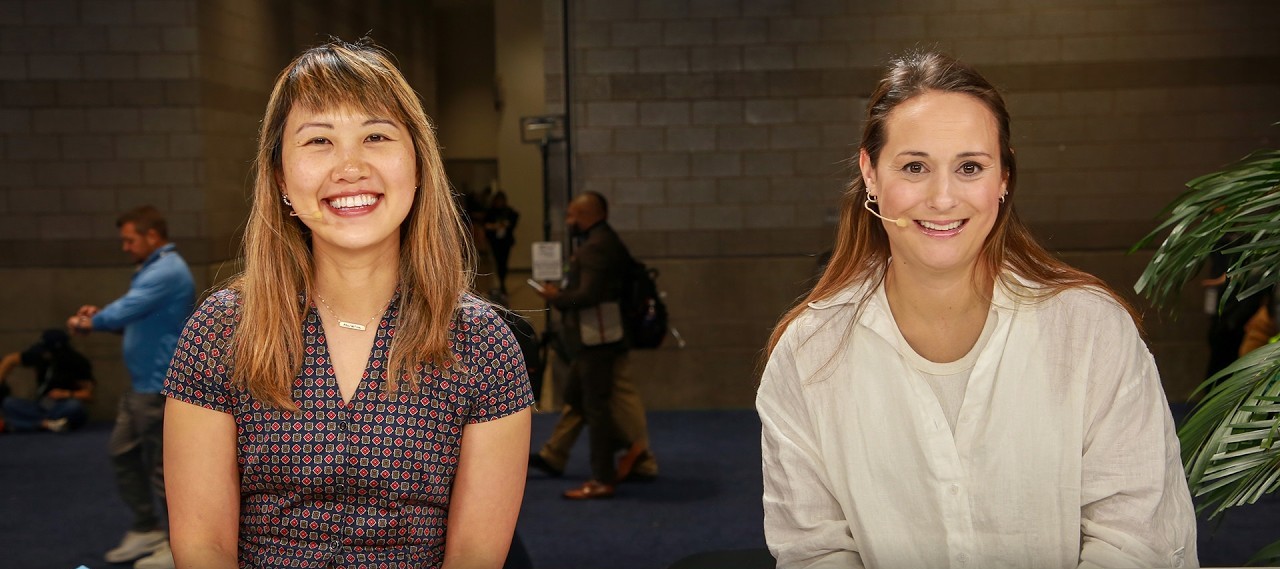
Google Cloud is positioning AI agents as the connective layer for researchers who need to run high-performance computing workloads across fragmented infrastructure. The company outlined its agentic HPC strategy at SC26 in Chicago, where Annie Ma-Weaver, head of HPC product at Google Cloud, explained that the priority has shifted from raw compute power to reducing time to discovery.
Research teams increasingly face a capacity problem: no single site can provide enough compute, and workloads now span cloud and on-premises clusters. Google's approach centers on removing the orchestration burden from scientists who need access to resources but lack the time or expertise to manage distributed systems themselves.
Why it matters
The convergence of HPC and AI is changing how scientific research gets done. By automating orchestration and hypothesis generation, AI agents compress timelines that once stretched across weeks into minutes—but the speed gain introduces new risks around accuracy and over-reliance on machine-generated output, particularly for early-career researchers still developing critical evaluation skills.
Three pillars of agentic HPC
Google Cloud's strategy rests on purpose-built hardware, open-source orchestration tools including Slurm and Kubernetes, and collaborative AI agents. According to Megan Gawlik, HPC product manager at Google Cloud, these agents now help scientists search research literature, debug code, and generate hypotheses at speeds that allow teams to explore more scenarios and validate results more thoroughly.
The workflow changes extend to simulation. Engineers traditionally ran simulations across entire parameter spaces. Now AI can identify which parameters matter and which candidates warrant testing before compute resources get allocated. Ma-Weaver noted that in computer-aided engineering, teams can filter out non-essential parameters and skip simulations that won't yield useful data, cutting total simulation time while generating novel design prototypes.
Production deployments in weather forecasting
The National Oceanic and Atmospheric Administration has moved its forecasting platform—historically an on-premises workload with heavy, tightly coupled requirements—onto Google Cloud. The National Hurricane Center used Google's WeatherNext model to predict Hurricane Melissa's path and intensity in October 2025, demonstrating that agentic HPC has moved beyond research into operational systems.
But Gawlik cautioned that AI-generated results still require human validation. She described low-quality machine output as "AI slop" and warned that younger researchers risk developing dependence on AI conclusions instead of building the critical-thinking skills needed to evaluate those outputs independently.
The details were first reported by SiliconANGLE during coverage of SC26.