Security
WiFi-Based AI Weapon Detector Delayed in Schools After Accuracy Issues
Pittsburgh startup CurvePoint's WiAi system struggled to distinguish weapons from school supplies in pilot program.
Key takeaways
- CurvePoint's WiAi system uses WiFi signals and AI to detect concealed weapons without traditional metal detectors or imaging.
- The technology failed to reliably distinguish between weapons and common school supplies during pilot testing at Pennsylvania schools.
- Hempfield Area School District was one of six Pennsylvania districts testing the system with free installation before a planned commercial launch.
- The district will continue using conventional Open Gate weapons detectors while the AI system undergoes further development.
- The delay highlights accuracy challenges that AI security systems must overcome before deployment in schools.
Pilot Program Hits Technical Roadblock
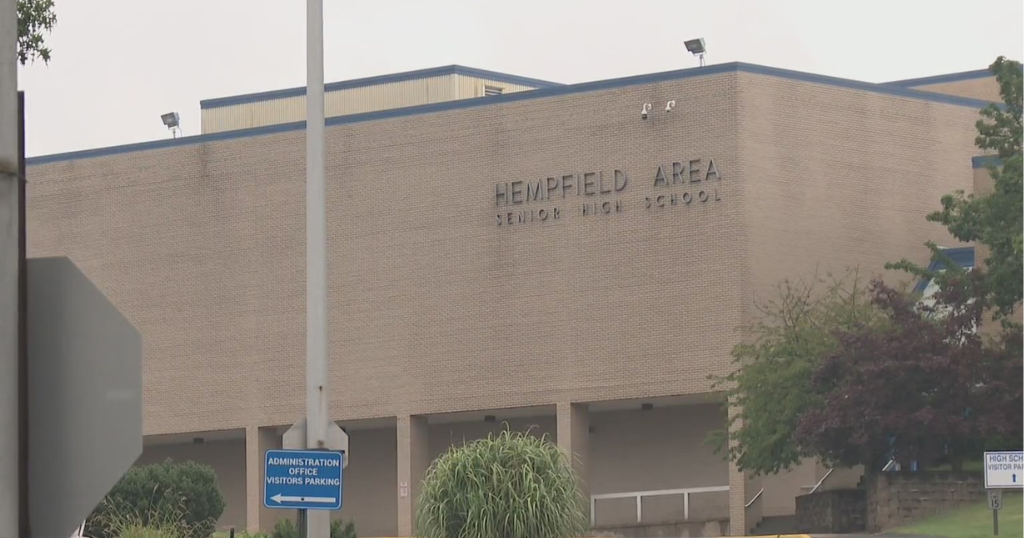
A Pittsburgh-based startup's artificial intelligence system designed to detect concealed weapons through WiFi signals has been delayed after struggling with accuracy during school pilot testing. CurvePoint's WiAi technology, which was scheduled to launch in late September at Hempfield Area High School in western Pennsylvania, reportedly had difficulty distinguishing between actual weapons and everyday items students carry, such as school supplies.
The company, which launched in 2025 after nearly a decade of research, had secured agreements with six Pennsylvania school districts to pilot the system with free installation. Hempfield was among four western Pennsylvania schools participating in the program, with installation beginning in December 2024.
How the Technology Works
WiAi represents a novel approach to school security by using WiFi signals rather than traditional metal detectors or imaging systems. The AI model analyzes how WiFi signals interact with objects to identify concealed weapons. CurvePoint had originally sought 15 school districts for pilot testing before a formal commercial launch.
When announcing the Hempfield partnership, CurvePoint praised the district for being "thoughtful and deliberate in how it evaluates safety technology," positioning the school as helping to lead "the shift toward proactive, privacy-first protection."
Return to Conventional Detection
For now, Hempfield Area School District will continue using its existing Open Gate weapons detector system while the AI technology undergoes further development. The district has been managing multiple changes over the past year, including construction projects at both its high school and administration buildings.
Neither CurvePoint nor Hempfield Area School District had provided comment at the time of the initial reporting.
Why it matters
This setback illustrates a critical challenge in deploying AI security systems in real-world educational environments: the technology must achieve near-perfect accuracy to be viable. False positives that flag harmless school supplies create operational disruptions and erode trust, while false negatives pose genuine safety risks. The incident underscores why rigorous pilot testing is essential before scaling AI-powered security solutions, particularly in schools where both safety and student experience are paramount concerns.
These details were first reported by CBS News Pittsburgh, with additional reporting from The Trib and TechSpot.