Security
AI-Driven Vulnerability Patching Linked to Recent Tech Outages
Trump officials and lawmakers say accelerated patching cycles, not cyberattacks, are straining systems as AI discovers flaws at unprecedented speed.
Key takeaways
- AI tools are discovering system vulnerabilities at unprecedented speed, forcing organizations to patch rapidly and simultaneously across massive infrastructures.
- Intelligence officials confirm recent major tech outages affecting aviation, communications, and banking were not caused by cyberattacks but likely by aggressive patching cycles.
- Sen. Mark Warner and Rep. Jim Himes warn that AI-accelerated vulnerability discovery will likely cause more frequent service disruptions as systems strain under constant update pressure.
- CISA faces significant budget and personnel cuts even as cybersecurity demands intensify, though DHS leadership claims new technology is compensating for reduced staffing.
- No evidence exists that adversaries are exploiting patching windows to conduct attacks during the recent outage period.
AI tools are transforming cybersecurity — and creating new operational risks
A string of major technology outages affecting aviation, communications, and banking systems over the past week was not caused by cyberattacks, according to Trump administration officials. Instead, intelligence leaders and lawmakers point to an unexpected consequence of artificial intelligence in cybersecurity: AI-powered tools are discovering vulnerabilities so quickly that organizations are struggling to patch them without disrupting operations.
Sen. Mark Warner (D-Va.), the top Democrat on the Senate Intelligence Committee, said Tuesday that AI is identifying security flaws "across enormous numbers of systems at unprecedented speed, creating enormous pressure on companies and government agencies to patch those vulnerabilities immediately, often all at once, putting tremendous strain on systems that weren't built to handle that pace of change."
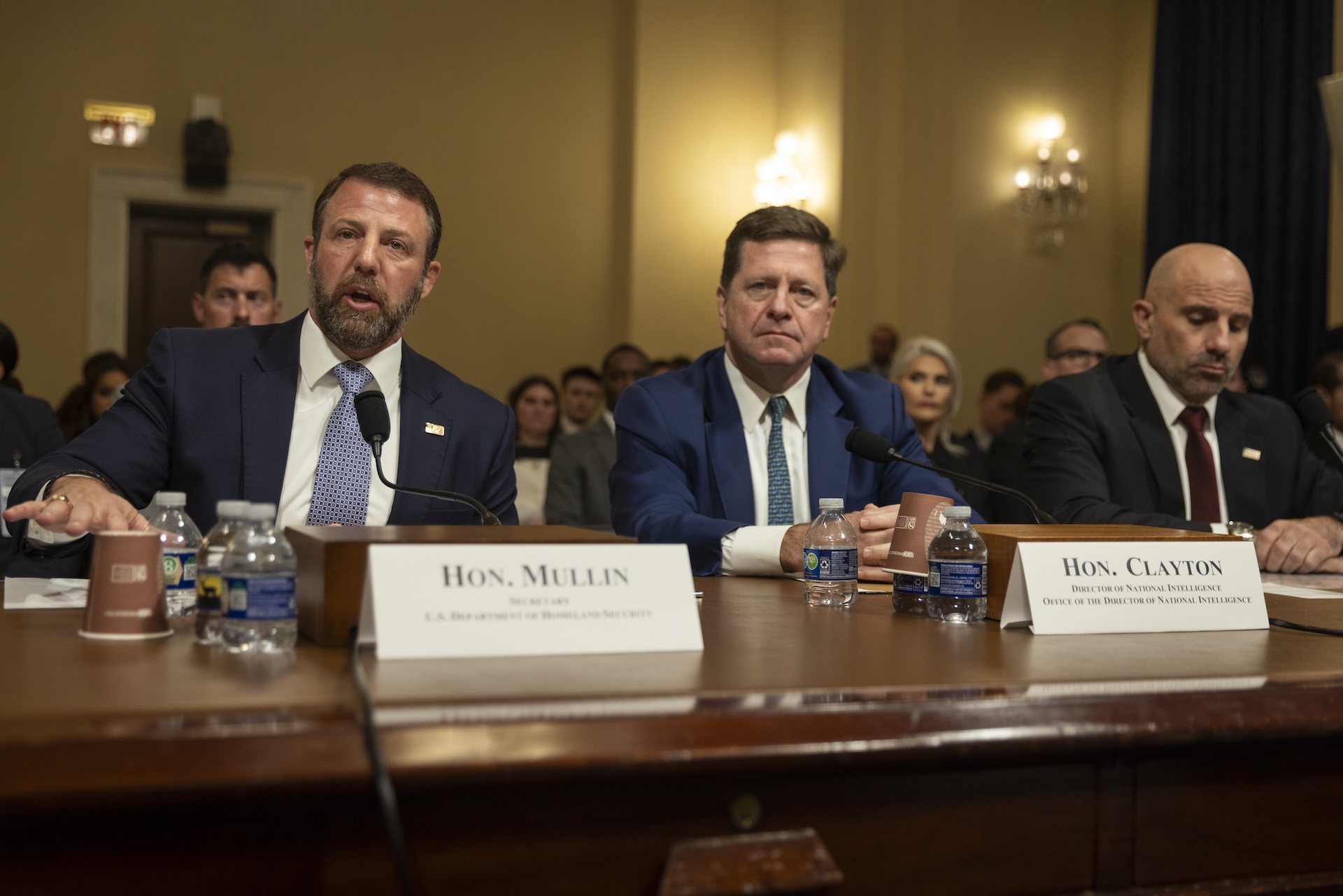
Director of National Intelligence Jay Clayton testified at a House Homeland Security Committee hearing Wednesday that the accelerating pace of system patching and upgrades reflects "advancements in compute, and in applications." While Clayton did not explicitly attribute the patching surge to AI, lawmakers were more direct. Rep. James Walkinshaw (D-Va.) stated that organizations are "frantically patching systems" as cyberattacks proliferate, and The Washington Sun reported that Hill briefings specifically cited AI-discovered vulnerabilities as driving the patching frenzy.
Why it matters
This represents a fundamental shift in operational risk for enterprise IT. Organizations have long balanced security against stability, but AI is compressing vulnerability lifecycles from months to days or hours. When thousands of systems require simultaneous patches to address newly discovered flaws, the probability of cascading failures increases — even without malicious actors involved. Technology leaders must now architect for both security velocity and resilience against self-inflicted disruption.
No evidence of malicious activity
Clayton, Department of Homeland Security Secretary Markwayne Mullin, and FBI Deputy Director Christopher Raia repeatedly emphasized that investigators have found no evidence linking the outages to cyberattacks. They also reported no indication that adversaries are exploiting the patching windows to conduct attacks.
Rep. Jim Himes (D-Conn.), ranking member of the House Intelligence Committee, acknowledged Wednesday that "the increased pace of vulnerability discovery and patching could cause more frequent outages," but called the accelerated patching "vital to shore up the security of all IT infrastructure."
CISA faces budget cuts amid rising demands
The revelations come as the Cybersecurity and Infrastructure Security Agency faces significant personnel and budget reductions. Walkinshaw noted the cuts during questioning, while lawmakers from both parties pressed Mullin to increase CISA staffing.
Mullin said the agency remains "able to meet our mission right now because of new technology that has come in," though he did not specify what technology he referenced. He also could not provide lawmakers with an update on CISA hiring plans.
These details were first reported by CyberScoop.