Waymo Driverless Cars Show 68% Fewer Crashes Than Human Drivers
New IIHS research reveals autonomous vehicles are safer on a limited scale, but federal crash reporting systems need major upgrades to track expansion.
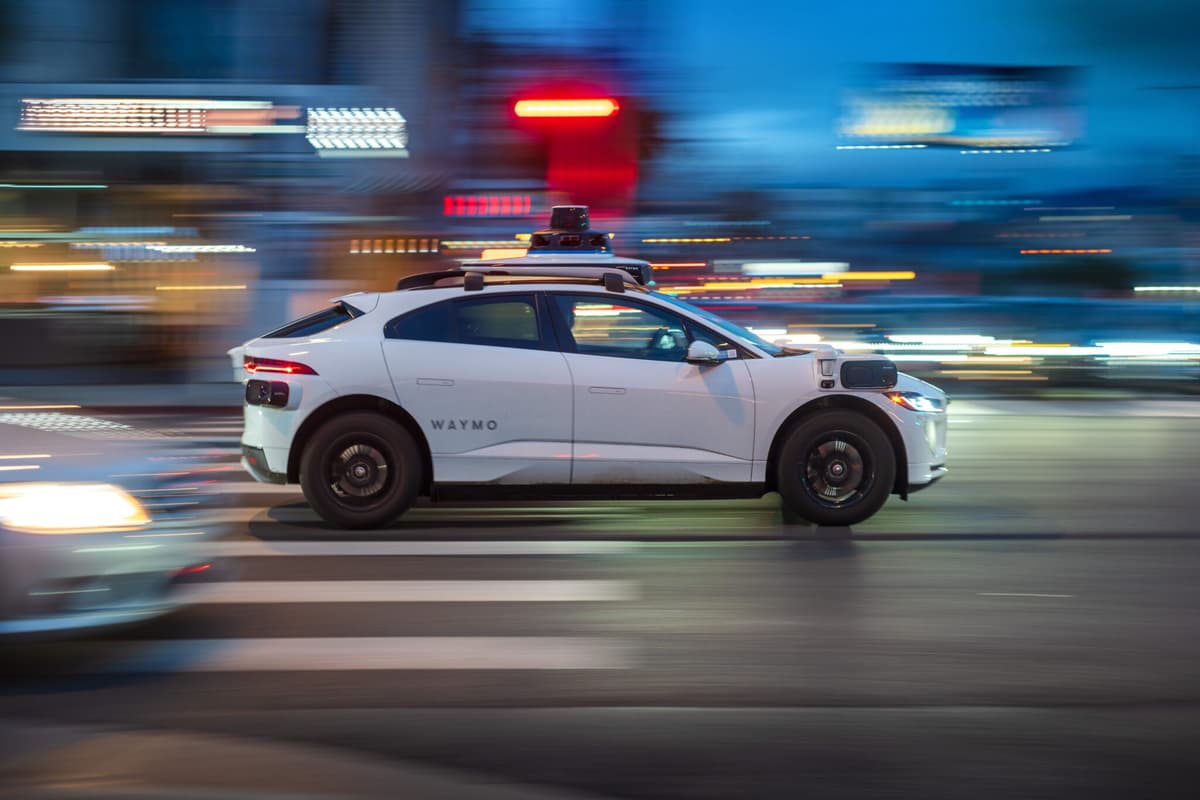
Waymo's Safety Record Outperforms Human Drivers
Driverless vehicles operated by Waymo demonstrate significantly lower crash rates than human-driven cars across four U.S. cities, according to new research from the Insurance Institute for Highway Safety. The autonomous vehicles recorded 68% fewer crashes per vehicle mile traveled compared to conventional drivers in incidents serious enough to warrant police reports.
The study examined Waymo's operations in San Francisco, Phoenix, Los Angeles, and Austin, where the company has deployed its Level 4 autonomous robotaxis since 2020. These vehicles can handle all driving tasks without human supervision under specific conditions, distinguishing them from the Level 2 systems like GM's SuperCruise that require constant driver attention.
Why it matters
As autonomous vehicle companies prepare for broader commercial deployment, this research provides the first rigorous comparison of driverless car safety against human drivers. However, the findings also expose critical gaps in federal oversight that could undermine public confidence and regulatory effectiveness as the technology scales. Without better data collection, regulators cannot ensure safety standards are maintained during rapid expansion.
Federal Reporting Systems Fall Short
Despite the promising safety results, IIHS researchers identified serious deficiencies in how autonomous vehicle crashes are tracked and reported. The National Highway Traffic Safety Administration's Standing General Order database, established in 2021, remains the only national tool for monitoring self-driving vehicle incidents, yet it lacks essential features for meaningful safety analysis.
Companies must report crashes but face no requirement to disclose total miles driven or whether those miles involved human supervision. Waymo voluntarily shares its driverless mileage data, but competitors do not, making industry-wide safety assessments impossible. "The present data collection system isn't good enough to allow continuous monitoring of a large-scale expansion," said IIHS President David Harkey.
Researchers Clean Messy Data
To conduct their analysis, IIHS researchers processed crash reports from Waymo, Cruise, Zoox, and other companies submitted between 2021 and 2024. The team eliminated roughly 25% of reported incidents that involved duplicate records, non-public roads, or situations where automation wasn't engaged.
A more complex challenge involved determining which incidents matched the severity threshold that would prompt human drivers to file police reports. Autonomous vehicle companies previously reported minor scrapes as crashes—incidents human drivers typically wouldn't document. Of 736 public-road crashes with automation engaged, researchers estimated only 22% qualified as police-reportable using reasonable standards.
Performance Varies by City
Waymo vehicles traveled approximately 50 million driverless miles during the study period. Crash rate improvements varied by location: Phoenix showed a 76% reduction, Los Angeles 71%, and San Francisco 35%. Austin recorded a 4% increase, though the small sample size limits the statistical significance of that finding.
Single-vehicle crashes dropped 85% for Waymo vehicles compared to human drivers, while injury crashes fell 81% per mile traveled. "Those are encouraging signs for the future of driverless vehicles," said Eric Teoh, IIHS director of statistical services and lead author of the study. "Now we need to get the data collection system right, so that we can ensure that level of safety continues as these technologies become more prevalent."
The findings were first reported by Carrier Management, which covers the insurance industry's response to emerging transportation technologies.
This is an original analysis by the Omega editorial team. Source reporting: Automation Watch.
Want systems like this working for your business?
Book a Call
