Warehouse Automation Shifts Human Workers to Strategic Oversight
As AI systems take on repetitive tasks, warehouse operators are moving from manual execution to validating machine decisions and coordinating responses.
From execution to oversight
Warehouse automation powered by artificial intelligence is following a trajectory similar to autonomous vehicles: gradual adoption that depends on proving reliability before systems can operate independently. As retailers deploy these technologies to address labor shortages and supply chain pressures, the human role in warehouses is evolving rather than disappearing.
The shift centers on moving workers from repetitive physical tasks to strategic oversight positions where they validate AI recommendations and manage the real-world consequences of automated decisions. According to Jared Go, Distinguished Engineer for AI and Cloud at Symbotic, this transition represents humans moving "up the technology stack" rather than out of the warehouse entirely.
AI as decision support, not replacement
Today's warehouse supervisors typically make operational decisions based on experience and intuition, often without complete visibility into all available options or their tradeoffs. AI systems now generate decision maps that show multiple solution paths, their operational implications, and supporting data.
However, institutional knowledge remains critical. While AI can identify several ways to solve a problem, human workers determine which option makes practical sense for their specific facility. They understand what changes are realistic in a live environment and can anticipate consequences for onsite teams and workflows.
The division of labor places humans in charge of defining goals and guardrails while AI ensures decisions are data-informed and can be made quickly.
Accelerating manual processes
AI's most immediate value lies in automating time-consuming review tasks. Agentic AI systems can investigate alerts automatically by pulling logs, reviewing video footage, inspecting robot behavior, and cross-referencing multiple data sources faster than manual analysis allows.
Modern warehouse optimization platforms route these alerts to appropriate personnel based on required skills and real-time location data. When AI systems consistently identify correct issues and recommend effective actions, they earn incremental autonomy within defined boundaries.
Physical world stakes
Warehouse automation operates in physical space where decisions affect robots, equipment, maintenance crews, associates, and downstream fulfillment operations. This physical reality explains why human oversight remains essential—operational changes carry consequences for safety, productivity, and labor allocation.
As automation matures, workers spend less time on physically demanding or repetitive tasks and more time on technology-enabled activities. Instead of manually tracking down recurring equipment issues, teams start with AI-generated assessments of likely causes and possible solutions, then validate recommendations and coordinate responses across systems and personnel.
Why it matters
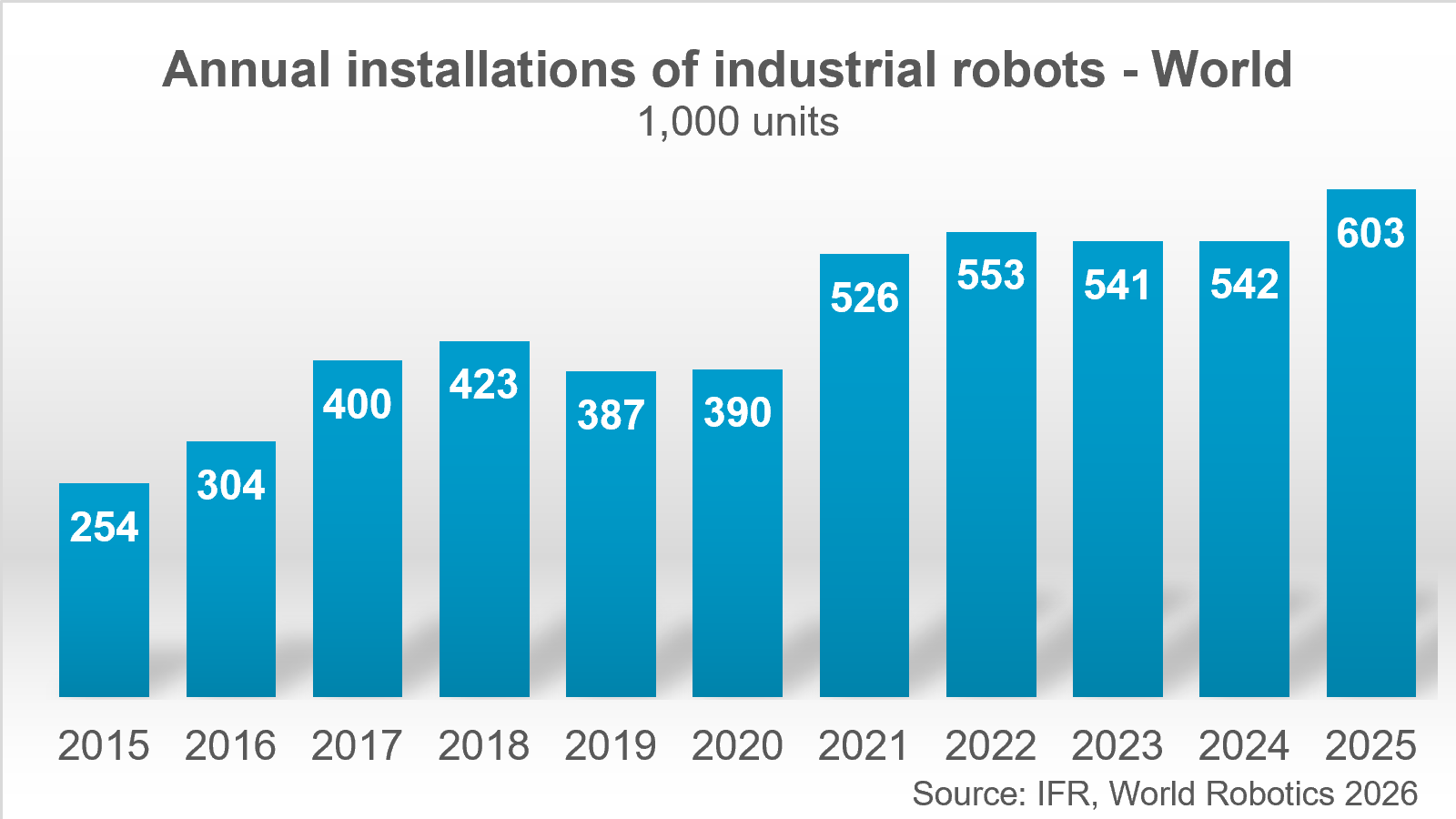
The warehouse automation market is expanding rapidly as retailers seek efficiency gains amid economic uncertainty and evolving consumer expectations. Companies that successfully combine AI-driven operations with effective human oversight will gain competitive advantage. The key differentiator isn't automation alone—it's the ability to define appropriate handoffs between machine autonomy and human judgment, similar to the gradual trust-building process that enabled autonomous vehicle adoption.
These details were first reported by Symbotic's Jared Go in Robotics Tomorrow.
This is an original analysis by the Omega editorial team. Source reporting: Automation Watch.
Want systems like this working for your business?
Book a Call