Walmart's AI-Powered Warehouses Cut Truck Unloading to Minutes
The retailer's next-generation distribution centers use store data and robotics to arrange pallets for faster restocking.
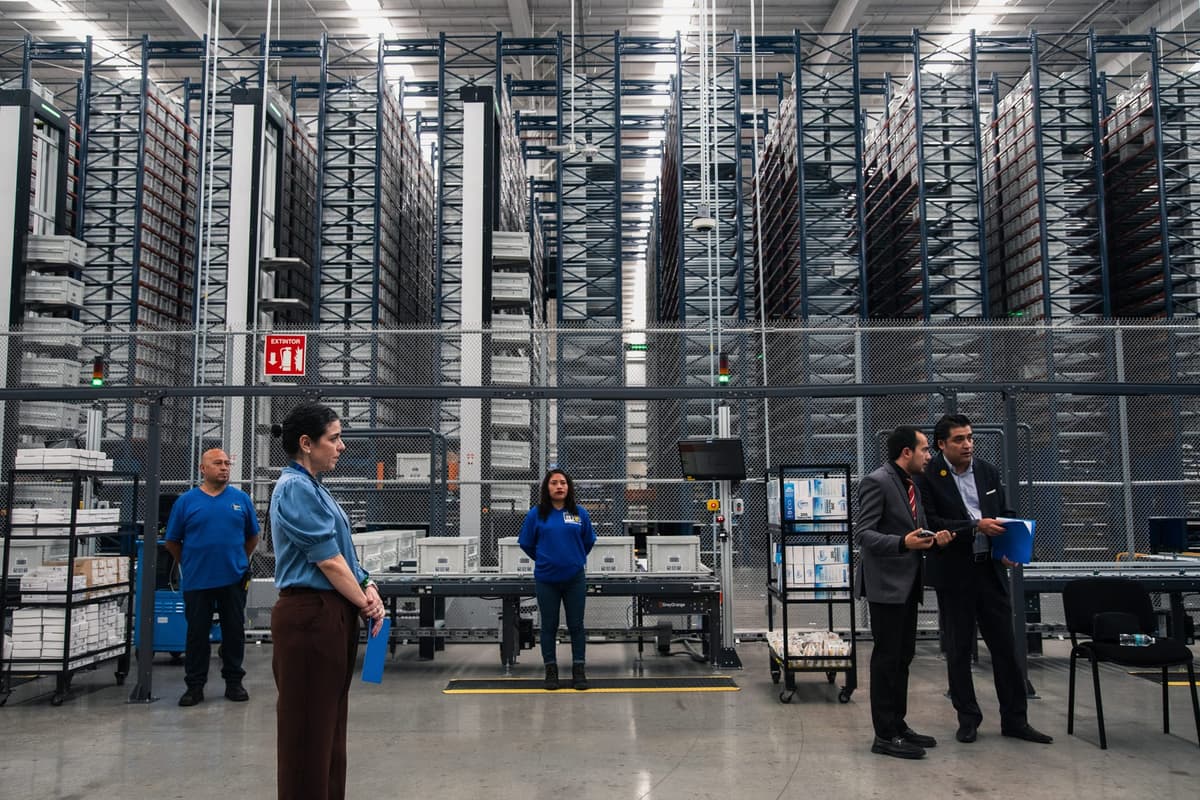
Walmart transforms distribution speed with intelligent automation
Walmart is leveraging artificial intelligence and robotics to dramatically accelerate its supply chain operations, reducing truck unloading times from hours to minutes at its next-generation distribution centers.
The transformation centers on what Walmart US CEO David Guggina calls "intelligently layered pallets"—an approach that uses store-level data to direct robots in arranging shipments. Rather than generic pallet configurations, the system organizes products based on each store's specific restocking needs.
"Moving to intelligently layered pallets allows us to unload that trailer in minutes," Guggina told attendees at the Oppenheimer Consumer Growth and E-commerce conference on Tuesday.
How the system works
The distribution centers integrate real-time inventory data with robotic coordination to optimize the entire loading process. The AI system can identify which pallets contain the most urgent supplies for a particular store and position those pallets strategically—loading them last so store workers can unload them first.
This data-driven approach eliminates the time-consuming sorting and searching that previously slowed restocking operations. Store employees who once spent hours unloading and organizing deliveries can now complete the task in a fraction of the time.
Walmart expects to operate 16 of these automated distribution centers by the end of this year, according to Guggina. The retailer has invested heavily in the infrastructure over several years as part of its broader supply chain modernization effort.
Why it matters
The speed gains represent more than operational efficiency—they're central to Walmart's competitive strategy in an era where delivery speed and inventory availability drive customer loyalty. Faster distribution means fresher products, better in-stock rates, and the ability to respond more quickly to demand shifts. The cost savings from automation also give Walmart room to maintain its price leadership, creating a reinforcing cycle of efficiency and market advantage.
Beyond speed: strategic benefits
Guggina emphasized that the combination of automation and inventory visibility delivers multiple advantages. The system helps Walmart run a more efficient supply chain while simultaneously improving store operations and reducing costs.
Those savings flow directly to customers through continued price investments, Guggina said—a core element of Walmart's value proposition as America's largest retailer.
The details were first reported by Business Insider.
This is an original analysis by the Omega editorial team. Source reporting: AI Watch.
Want systems like this working for your business?
Book a Call
