Utah AI Prescription Pilot Meets Physician Pushback
State-backed chatbot program refills routine medications with high accuracy, but medical boards and regulators question safety and legal authority.
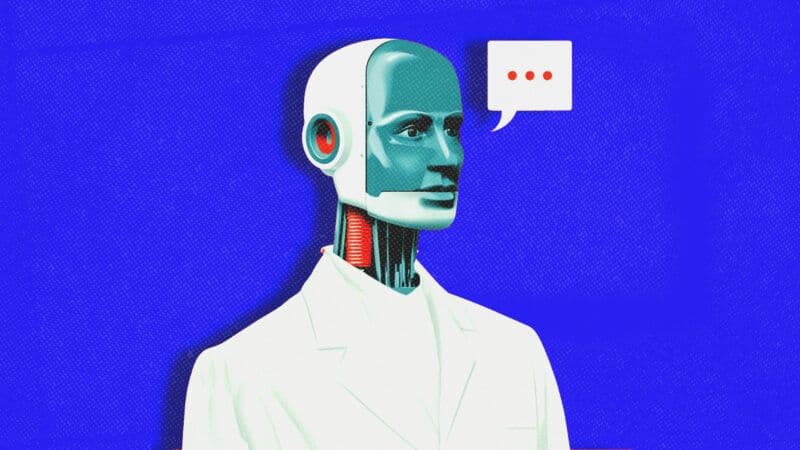
Utah AI Prescription Pilot Meets Physician Pushback
Utah has launched a state-backed pilot program allowing AI chatbots to refill prescriptions for birth control, asthma medication, diabetes treatments, and other common conditions—but the medical establishment is pushing back hard against the experiment.
The program, administered by Utah's Commerce Department and powered by AI startup Doctronic, aims to automate routine prescription renewals that typically consume clinic time. Patients must still obtain initial prescriptions from physicians before using the platform for refills. According to state officials, the system is designed to maintain existing safety standards while reducing administrative burden on clinicians.
Early results show promise: the chatbot has processed 72 percent of refill requests without physician escalation, and physicians agreed with the AI's decisions in 91 percent of cases where renewals were granted, according to reporting by STAT in May.
Medical boards demand suspension
Despite these performance metrics, Utah's Medical Licensing Board submitted a letter in April calling for immediate suspension of the program. Alan Smith, a family physician who chairs the board, expressed concerns about liability and patient safety to The Wall Street Journal, questioning who bears responsibility when AI-generated refills cause adverse reactions.
The Commerce Department declined to halt the pilot, asserting it operates within statutory authority. The agency is now exploring third-party auditing processes and has pointed to safety protocols developed for similar programs, including one with Legion Health for mental health medication refills.
John Whyte, chief executive of the American Medical Association, warned of a "slippery slope" where prescription automation could expand into diagnostic testing, potentially undermining the physician-patient relationship.
Clinical validation and regulatory uncertainty
Doctronic maintains that board-certified physicians design its system, review recommendations, and continuously update medical guidelines. One clinical study found the AI's top diagnosis matched clinician judgment in 81 percent of cases, with treatment plans aligning in 99.2 percent of cases. The company states it is HIPAA-compliant and does not sell patient data or use it for AI training.
The program faces a significant regulatory hurdle: the FDA has not clarified whether AI prescription chatbots require medical device authorization. If the agency determines they do, approval could take years and cost millions of dollars, effectively blocking deployment despite demonstrated safety and efficacy.
Why it matters
This clash illustrates a fundamental tension in healthcare AI adoption. Utah's pilot demonstrates that AI can handle routine medical tasks with accuracy comparable to human clinicians, potentially expanding access and reducing costs. But professional resistance and regulatory ambiguity may prevent these tools from reaching patients who could benefit—not because the technology fails, but because existing gatekeepers view innovation as a threat to traditional practice models. The outcome will signal whether states can experiment with healthcare AI or whether federal and professional barriers will slow adoption regardless of performance data.
These details were first reported by Reason, with additional reporting from The Wall Street Journal and STAT.
This is an original analysis by the Omega editorial team. Source reporting: AI Watch.
Want systems like this working for your business?
Book a Call