Data Centers Become Flashpoint in 2026 U.S. Elections
Bipartisan voter opposition to AI infrastructure projects is reshaping campaign strategies across both parties.
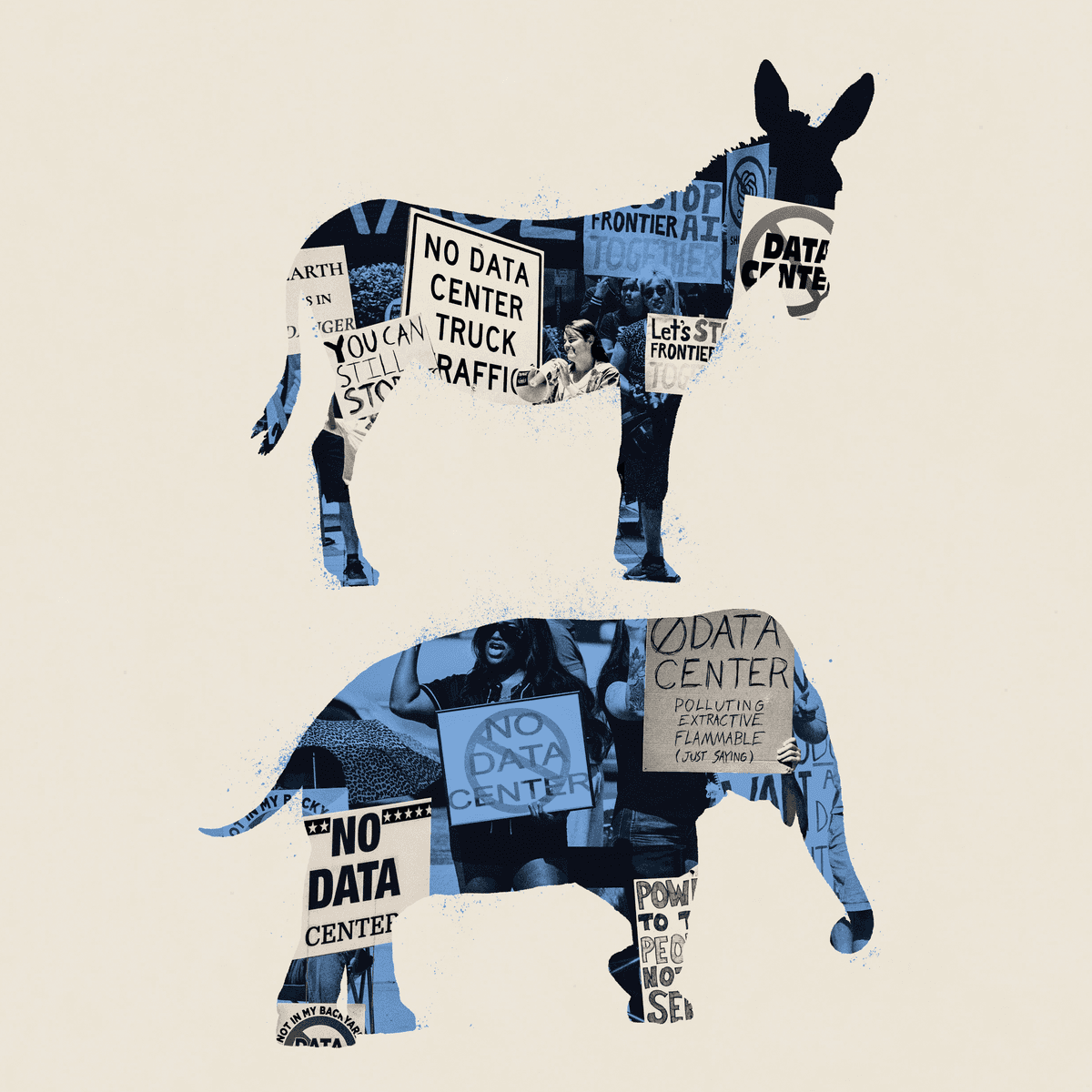
The massive data centers powering artificial intelligence have emerged as an unexpected wedge issue in American politics, with roughly 70 percent of voters—including 63 percent of Republicans—opposing new facilities in their communities, according to Gallup polling.
The backlash is forcing rapid political recalculations. Abdul El-Sayed, Michigan's Democratic Senate nominee, captured the sentiment bluntly: "People really effing hate data centers." His assessment reflects a rare consensus in an otherwise fractured political landscape.
From enthusiasm to retreat
The shift has been particularly striking among business-friendly Republicans. Texas Governor Greg Abbott celebrated Google's AI investments just eight months ago, declaring Texas would be "the centerpiece for A.I. data centers for Google in the entire world." Last week, he suspended all such projects pending a cost-benefit audit.
Florida Governor Ron DeSantis imposed conditions on new centers in May. Even Vivek Ramaswamy, the former presidential candidate now running for Ohio governor, felt compelled to deny being "pro-data center" despite his tech-industry background.
Progressive Democrats moved first. Bernie Sanders and Alexandria Ocasio-Cortez proposed a federal moratorium in March. New York Governor Kathy Hochul enacted the first statewide ban in July.
The infrastructure problem
The facilities themselves present tangible concerns. Microsoft's Mount Pleasant, Wisconsin site required 46.6 miles of foundation piles, 26.5 million pounds of structural steel, and 120 miles of underground cable. One OpenAI-Oracle facility takes 1 minute 42 seconds to drive past at highway speed.
Yet these massive projects create few permanent jobs after construction. Their resource demands—electricity for computing power, water for cooling—have strained local utilities. Northern Virginia residents reported flickering lights and strange refrigerator noises after electrical surges linked to data centers.
Data Center Watch reports that at least 75 projects worth roughly $130 billion were halted in the first three months of 2026 alone.
Why it matters
The data center backlash exposes tension at the heart of the Trump administration's political coalition. The president's 2024 campaign featured Elon Musk and Silicon Valley allies promising technological transformation, with David Sacks becoming AI and crypto czar. But as Microsoft's AI chief Mustafa Suleyman predicted most white-collar jobs could be automated within 12 to 18 months—a claim he later walked back—the administration has offered little reassurance about AI's economic impact.
The issue allows Democrats to highlight what they frame as contradictions in Trump's populist positioning. While the 2016 campaign focused on Rust Belt economic decline, the current administration has aligned with tech billionaires whose projects face grassroots opposition.
The political moratoriums may not significantly slow AI development—companies can build in friendlier jurisdictions or overseas. Anthropic CEO Dario Amodei dismissed the challenges in May, predicting "ideology will not survive the nature of this technology." But on the campaign trail, candidates are discovering that local opposition to AI infrastructure transcends partisan divides.
These details were first reported by The New Yorker.
This is an original analysis by the Omega editorial team. Source reporting: AI Watch.
Want systems like this working for your business?
Book a Call