Policy
U.S. Hyperscale Data Centers Emitted 25.7M Tons of CO2 in Year
Harvard researchers found AI-driven facilities now rival entire states in electricity use and match Denmark's annual carbon output.
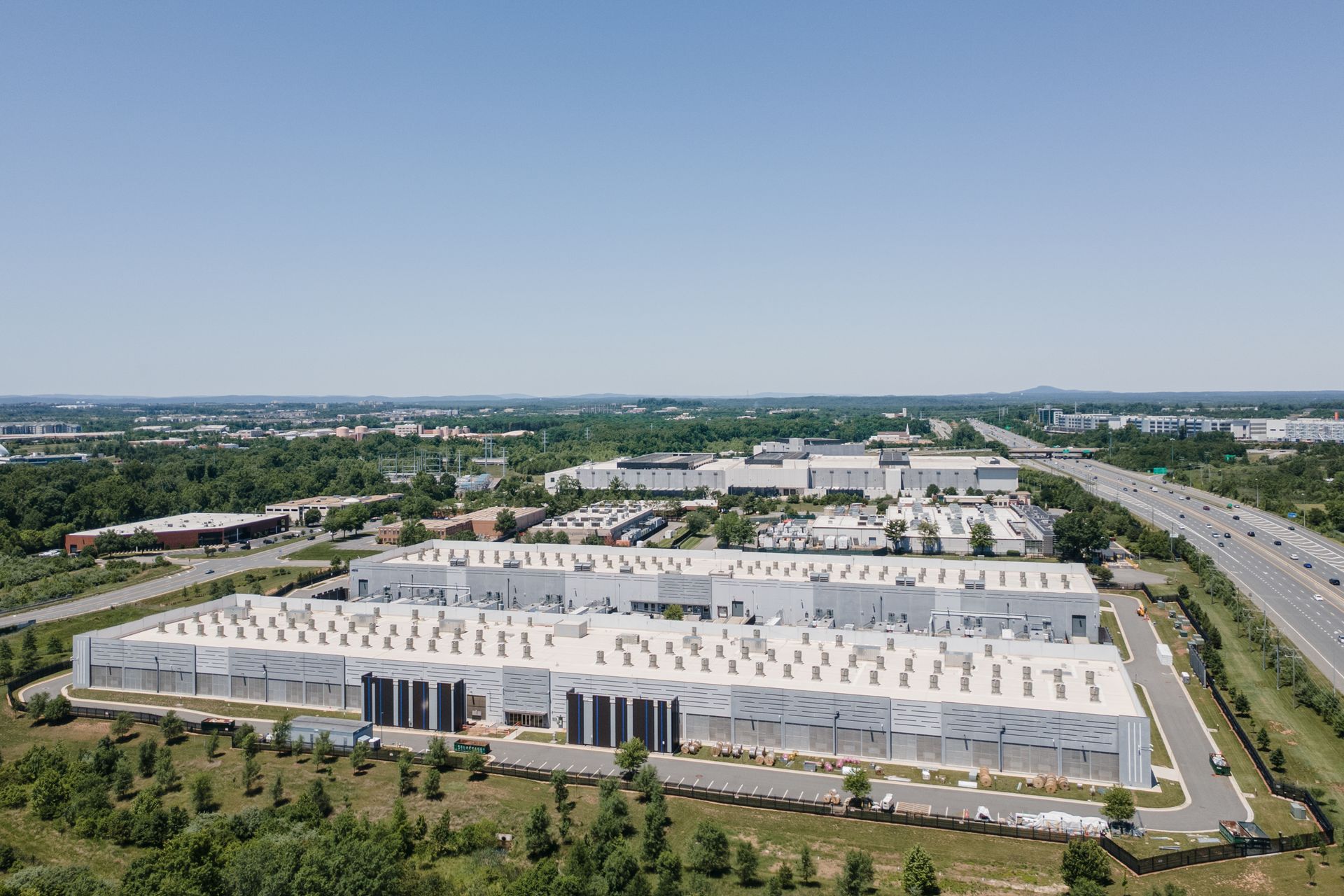
Key takeaways
- U.S. hyperscale data centers produced 25.7 million metric tons of CO2 between May 2024 and April 2025, matching Denmark's annual emissions.
- These facilities consumed up to 99 terawatt-hours of electricity, approaching the annual usage of states like Indiana or Michigan.
- Fossil fuels supplied 54% of data center electricity, with natural gas and coal accounting for the majority of that share.
- Virginia, Oregon, Ohio, and Iowa represented most of the electricity demand examined in the Harvard study.
- Multiple states have frozen or paused data center construction approvals amid growing political and environmental concerns.
Record Carbon Footprint Documented
More than 400 hyperscale data centers across the United States generated approximately 25.7 million metric tons of carbon dioxide between May 2024 and April 2025, according to new research from Harvard University. The figure represents a two-to-threefold increase over earlier estimates from 2018, underscoring the rapid expansion of infrastructure supporting cloud computing and artificial intelligence.
The study, published Monday in Nature Sustainability by researchers from the Harvard T.H. Chan School of Public Health and the Harvard Data Science Initiative, examined the largest class of data centers—facilities that power large language model training and AI tool deployment.
Electricity Demand Approaches State-Level Consumption
These facilities consumed between 68 and 99 terawatt-hours of electricity depending on operating scenarios, with the upper range approaching the annual consumption of Indiana, Michigan, or Tennessee. The demand represented roughly 1.8% of total U.S. electricity use during the study period.
Fossil fuels supplied 54% of the electricity powering these centers, with natural gas accounting for 38% and coal for 15%. Approximately one-quarter of the electricity came from grid regions with higher-than-average carbon intensity. Four states—Virginia, Oregon, Ohio, and Iowa—accounted for the majority of electricity demand examined in the study.
The research team built their facility list using satellite imagery, then applied Environmental Protection Agency data to calculate emissions based on the power plants serving each regional grid.
Why it matters
The findings arrive as infrastructure decisions are being made in real time. Lead author Gianluca Guidi, a postdoctoral fellow in the Department of Biostatistics, noted that the data center expansion has continued unabated since the study period ended in April 2025, meaning current electricity use and carbon emissions likely exceed these figures. The research provides quantifiable evidence for policymakers weighing economic development against environmental and public health concerns—a debate already playing out in state elections and regulatory actions.
Political Pressure Mounting
Data center construction has emerged as a contentious political issue. Governors who campaigned on pausing new data center projects won elections in Texas, Ohio, and Georgia during recent midterm voting. New York froze most new large-scale data center construction in July, while Texas directed regulators to halt approvals of pending projects in August.
The study acknowledges limitations: available data did not cover every hyperscale facility, and researchers could not distinguish between general-purpose computing and AI-specific operations at individual sites. Corresponding author Francesca Dominici, director of the Harvard Data Science Initiative, identified direct health impact measurement as a priority for future research.
"Decisions about where data centers go and how they're powered are critical environmental and public health decisions, and they should be made with good data," Dominici said.
The findings were first reported by AI Watch and detailed in Nature Sustainability.