US-China AI Safety Alert System Lacks Technical Oversight
Treasury announces notification channel for AI threats, but experts question value without technical expertise to assess risks.
Alert system announced ahead of Trump-Xi summit
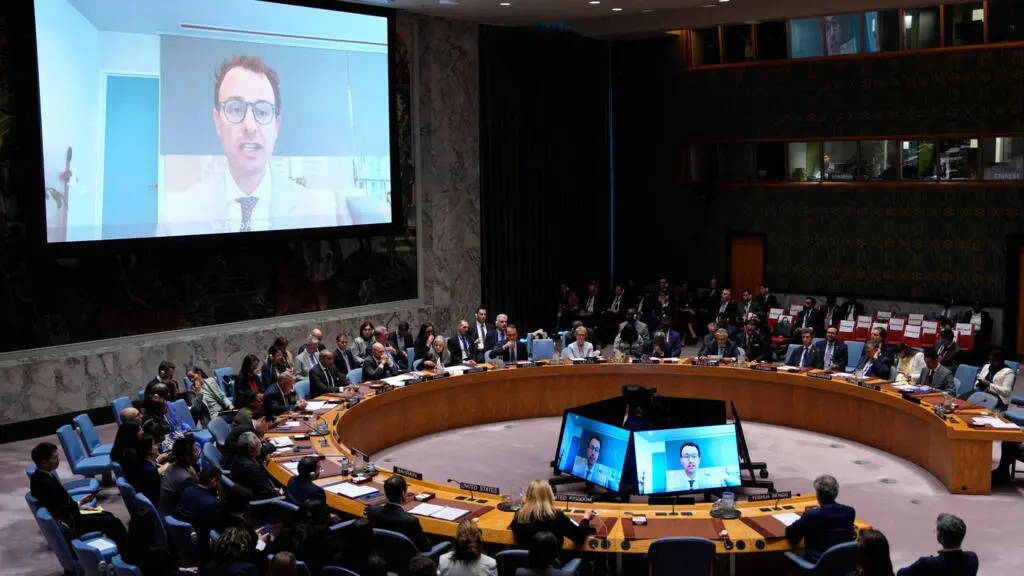
The United States and China are establishing a notification channel to share alerts about AI safety threats, Treasury Secretary Scott Bessent announced this week ahead of meetings between President Donald Trump and Chinese President Xi Jinping. The mechanism would allow either country to send warnings when AI systems pose risks or behave unpredictably.
However, sources familiar with the plan told Politico the proposed system involves no officials with technical expertise to assess the urgency of reported risks. One source dismissed the arrangement as superficial, using what they called "the scientific, technical term: BS."
China has not publicly acknowledged the proposal, and the country may view AI safety discussions with suspicion given the Trump administration's simultaneous push to maintain American AI dominance through export controls and competitive rhetoric.
Technical gaps undermine credibility
Sam Bresnick, a research fellow at Georgetown University's Center for Security and Emerging Technology, confirmed the absence of technical oversight represents a significant weakness. Without experts on both sides, the US and China cannot have substantive conversations about risk assessment, particularly regarding military applications.
"It's better than nothing for sure, but I don't have a lot of confidence that that is going to make a major difference going forward," Bresnick said.
The proposed channel uses existing communication infrastructure rather than creating new systems. While this approach offers simplicity, it falls short of what experts say is needed: agreement on risk classifications, notification triggers, response protocols, and regular review procedures.
Competitive framing threatens cooperation
Alvin Wang Graylin, a global technology strategist and digital fellow at Stanford Digital Economy Lab, warned that framing AI development as a winner-take-all race obstructs necessary cooperation. The US currently leads in frontier AI revenue, but Chinese open-source models have gained explosive adoption globally in recent months, with some potentially approaching 80 percent market share.
Graylin argues the US focus on "winning" an AI race is "deeply flawed" because capability gaps at the frontier typically last only months, and no permanent competitive advantage exists. Meanwhile, the most dangerous AI threats come not from superintelligence but from smaller specialized models that bad actors could use for biological, chemical, or cyber weapons.
"We cannot manage the multifaceted risks of the most powerful technology in human history while refusing to talk to the other nation building it," Graylin wrote for the Quincy Institute.
Why it matters
The effectiveness of any US-China AI safety framework depends on technical credibility and mutual trust. A notification system staffed by officials without AI expertise cannot meaningfully evaluate emerging threats or facilitate knowledge sharing between the world's two AI leaders. If China perceives "AI safety" discussions as cover for maintaining American competitive advantage—particularly given ongoing export controls and recent Justice Department accusations against Chinese AI companies—the country has little incentive to share genuine intelligence about risks. Without substantive technical cooperation, both nations remain vulnerable to the AI threats they claim to want to prevent.
Congressional Democrats seek stronger commitments
Representative Ro Khanna, ranking Democrat on the House Select Committee on Strategic Competition with China, argued the Trump-Xi talks should go further than establishing a basic communication channel. He called for international agreements banning recursive self-improving AI and implementing safeguards preventing AI misuse for biological or nuclear weapons.
Whether such ambitious cooperation is possible remains unclear. China and the US view AI risks differently—the US worries about uncontrollable systems, while China believes state control can manage AI threats. These divergent perspectives may limit substantive collaboration unless both countries recognize shared vulnerabilities.
Details of the proposed alert system and this week's discussions were first reported by Ars Technica.
This is an original analysis by the Omega editorial team. Source reporting: AI Watch.
Want systems like this working for your business?
Book a Call