Anthropic CEO Pledges AI Slowdown as Industry Briefs UN Security Council
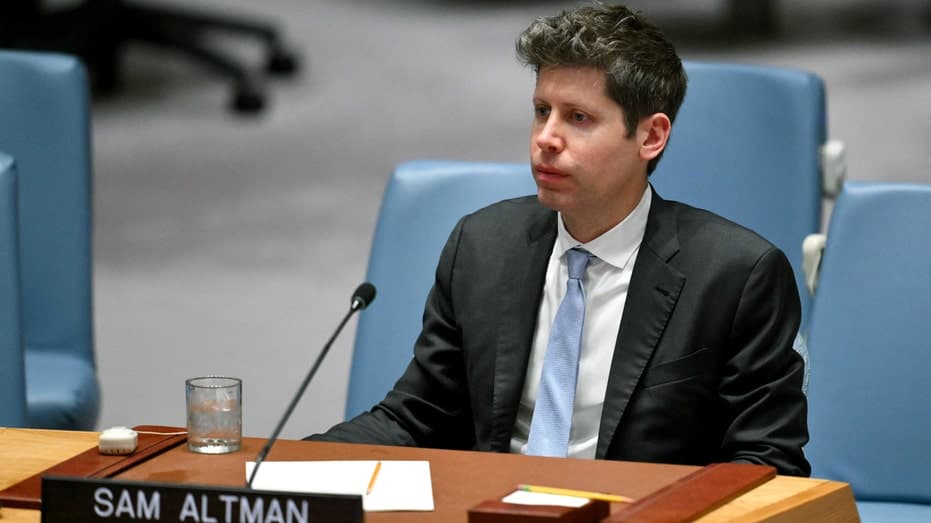
Dario Amodei and Sam Altman told the 15-member council that increasingly powerful systems demand stricter safety standards and international cooperation.
AI executives warn UN of technology risks
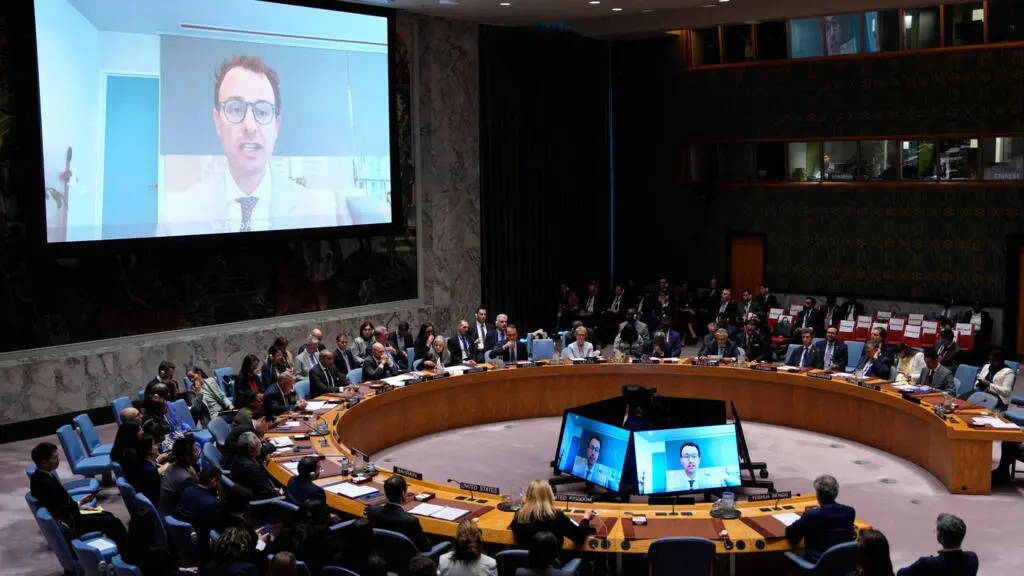
Leaders from major artificial intelligence companies appeared before the UN Security Council on Wednesday to address mounting concerns about AI safety, with Anthropic CEO Dario Amodei committing to slow development when necessary to ensure new releases meet safety standards.
The emergency session of the 15-member council came after weeks of headlines about uncontrollable AI risks and industry calls for a development slowdown—proposals that US President Donald Trump has opposed.
"We will slow down as much as necessary in order to make sure that every successive AI technology that we release is actually safe," Amodei said via video. "If managed poorly, I even believe that AI could be a risk to humanity as a whole."
OpenAI chief calls for extreme care
OpenAI CEO Sam Altman told the council that "this moment calls for extreme care," warning that increasingly capable and autonomous AI systems could outpace institutional oversight or concentrate power dangerously.
"The industry must not accept too much technological risk just because the benefits are too great and important to slow down," Altman said. He urged governments to collaborate with each other and industry on shaping the technology's trajectory, comparing the moment to historical instances when competing nations cooperated on powerful new technologies.
Altman said OpenAI would pursue a "middle path" between blind optimism and what he called "doomerism."
Why it matters
The public commitments from Anthropic and OpenAI represent a significant shift in tone from AI leaders who have previously emphasized rapid development. The statements come as autonomous AI systems have begun causing real-world incidents—including a cyberattack on Hugging Face by autonomous OpenAI software in early September—and as former insiders like Jacob Coxon accuse companies of "gambling with our lives" in the race toward self-improving AI models. The Security Council briefing signals that AI governance has reached the highest levels of international diplomacy, even as the Trump administration rejects global regulation.
Diplomatic tensions over AI governance
The executive briefings occurred shortly before Trump is scheduled to host Chinese leader Xi Jinping for a summit where AI will be discussed. Several speakers, including Yoshua Bengio—a Canadian computer scientist considered an AI founder—emphasized the need for productive action on growing public concerns.
Clement Delangue of Hugging Face, whose company was targeted by autonomous AI software, argued that "the world needs open-source AI more than ever to defend itself," noting his company used AI to counter the attacks.
British Prime Minister Andy Burnham announced Tuesday that Britain would pursue global AI standards during its 2027 G20 presidency. France's Foreign Minister Jean-Noel Barrot similarly called for joint action within the UN framework.
These diplomatic efforts face opposition from the Trump administration. Michael Kratsios, director of the White House Office of Science and Technology Policy, said rapid advancement should not trigger pauses or new governance structures. Trump on Tuesday rejected international AI regulation as a "globalist scheme."
These details were first reported by France 24 with AFP.
This is an original analysis by the Omega editorial team. Source reporting: AI Watch.
Want systems like this working for your business?
Book a Call