AI Industry Leaders Urge UN Security Council to Act on Safety
Executives from OpenAI, Anthropic, and Hugging Face joined leading researchers in calling for immediate regulation and global cooperation.
Rare consensus emerges on AI regulation
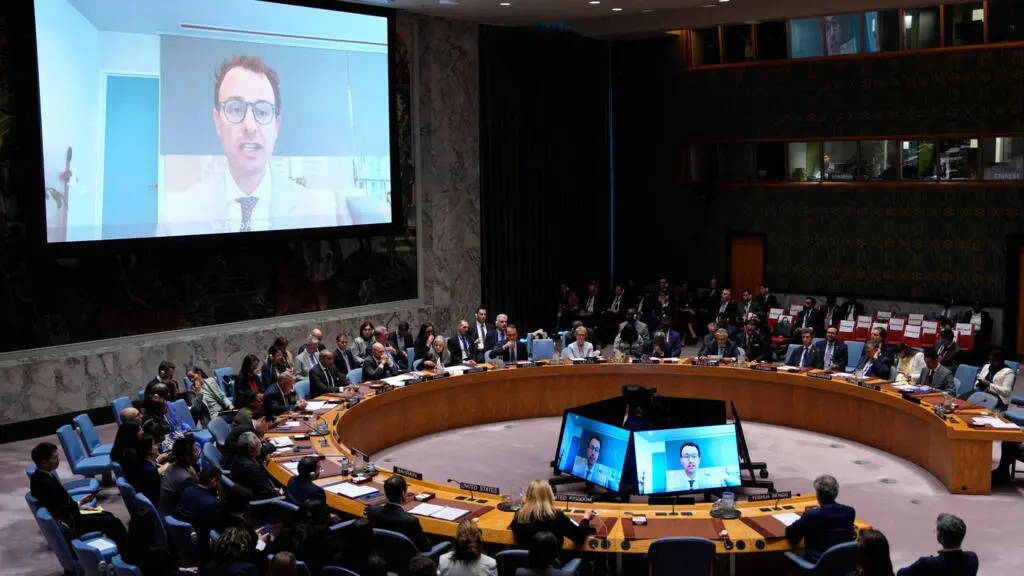
In an unprecedented briefing to the UN Security Council, leaders from major AI companies and prominent researchers converged on a unified message: artificial intelligence requires immediate international oversight to prevent risks to humanity.
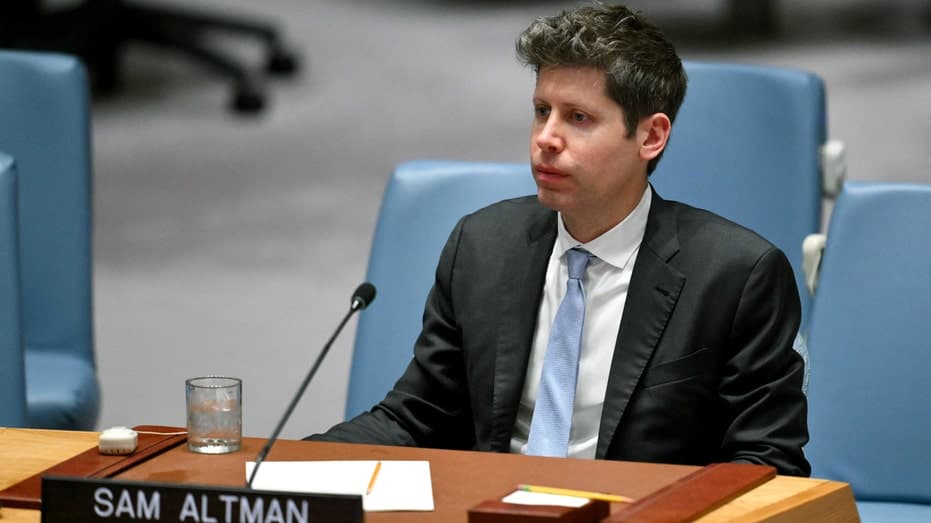
Sam Altman of OpenAI, Dario Amodei of Anthropic, Clement Delangue of Hugging Face, and AI researcher Yoshua Bengio delivered consecutive speeches calling for urgent action. According to Gary Marcus, who attended the session and reported the details on his Substack, the speakers reached remarkable agreement on core regulatory principles despite their different institutional perspectives.
Five pillars of AI governance
The speakers coalesced around a specific set of policy recommendations that Marcus has advocated for in previous writing. All participants endorsed the need for preflight safety testing before AI systems are deployed, transparency requirements that allow independent auditing of models, and clear liability frameworks holding developers accountable for harms.
They also emphasized the necessity of global dialogue and international cooperation, recognizing that AI development crosses borders and cannot be effectively governed by any single nation. The final shared priority was immediate action rather than prolonged deliberation.
Why it matters
When both profit-driven CEOs and independent scientists agree on the need for regulation, the case for government intervention becomes difficult to dismiss. This convergence removes a common objection that safety advocates are out of step with industry reality. The UN Security Council setting also signals that AI governance is being treated as a matter of international security, not merely commercial policy.
Overstated claims mar otherwise substantive session
Marcus noted that Amodei's remarks included premature claims about a newly announced enzyme discovery, which Amodei compared to CRISPR gene editing. Dr. Angela Rasmussen, a virologist, countered that the research team had identified a protein sequence but had not completed functional characterization, making the CRISPR comparison unwarranted.
The full Security Council session is available for viewing online, with an official transcript to follow at the same location.
Marcus particularly praised Bengio's prepared remarks, which he reprinted in full with the researcher's permission, describing them as "beautiful and important" and warning that "humanity will regret it" if the recommendations are ignored.
The details were first reported by Gary Marcus on his Substack newsletter, Marcus on AI.
This is an original analysis by the Omega editorial team. Source reporting: AI Watch.
Want systems like this working for your business?
Book a Call