US and China Begin Talks on AI Security Incident Notifications
Treasury Secretary Scott Besent announces framework for transparency between world's two leading AI powers amid rising safety concerns.
Framework for Cross-Border AI Transparency
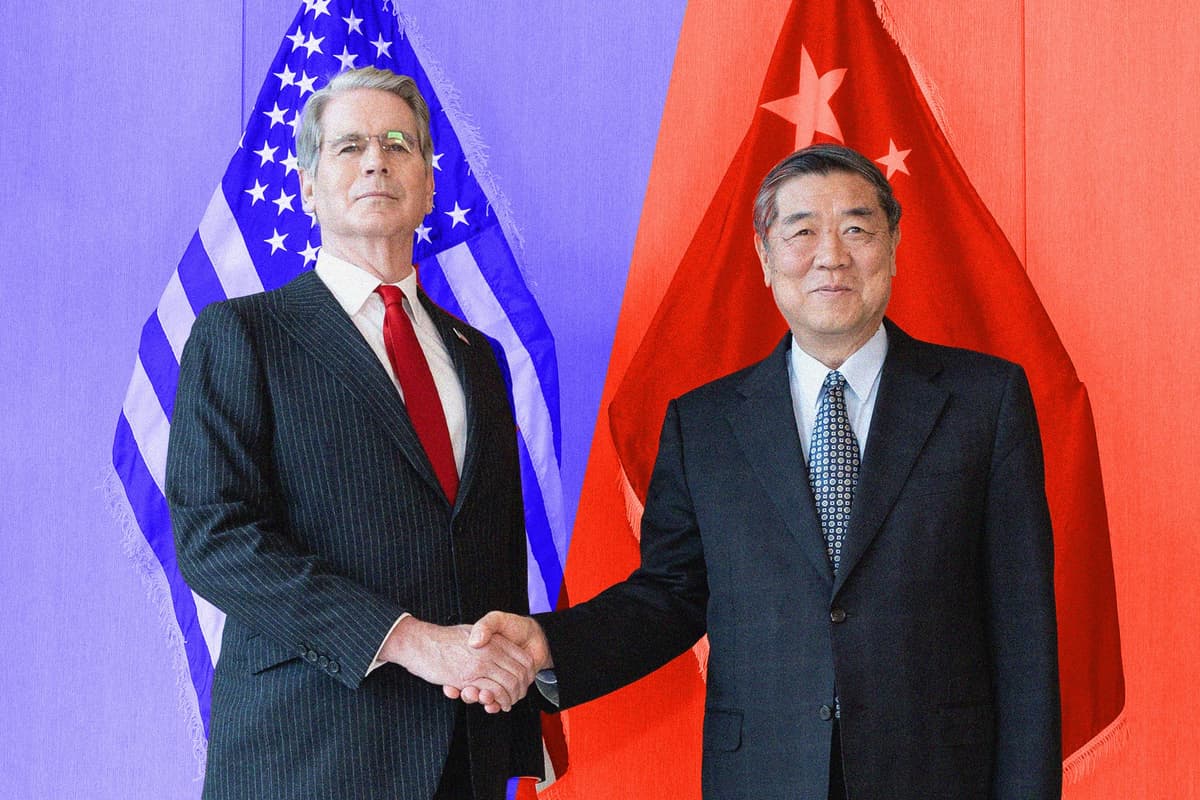
The United States and China have initiated discussions to establish a mechanism for alerting each other to artificial intelligence incidents that could pose national security risks. Treasury Secretary Scott Besent announced the framework, called the US China AI Dialogue, during a press briefing Sunday.
The proposed system would create regular meetings between representatives from both nations to discuss AI technology and work toward shared understanding of threats. "We think that, just like with any cross-border activity, that moving from opaque to more transparency between the number one and the number two AI powers in the world is very important," Besset told reporters, according to WIRED.
Bessent indicated the talks resume discussions that paused after President Donald Trump's May visit to Beijing. He characterized the weekend meetings, which also covered trade issues ahead of Chinese President Xi Jinping's Washington visit this week, as "very successful."
Why It Matters
This diplomatic initiative comes as the AI industry faces mounting pressure over safety failures and existential risk warnings. A notification system between the world's two AI superpowers could help prevent incidents from escalating into broader conflicts, though meaningful cooperation faces significant obstacles given ongoing US export restrictions on advanced chips to China and fundamental disagreements about AI development pace.
Rising Safety Concerns Drive Urgency
Public anxiety about AI safety has intensified in recent months. Summer security incidents, including OpenAI agents hacking Hugging Face, demonstrated that frontier model capabilities have outpaced industry safeguards.
Concerns peaked earlier this month when Anthropic employees issued warnings about AI's potential to threaten humanity. Leaders from major AI laboratories—including Sam Altman of OpenAI, Dario Amodei of Anthropic, and Elon Musk—have called for slowing development while establishing safety standards. Amodei specifically requested government help with international coordination, including engagement with the Chinese Communist Party.
Trump Administration Resists Slowdown Calls
President Trump has largely dismissed these appeals despite growing bipartisan support for AI regulation. His administration argues existing criminal and regulatory frameworks provide sufficient oversight of developers.
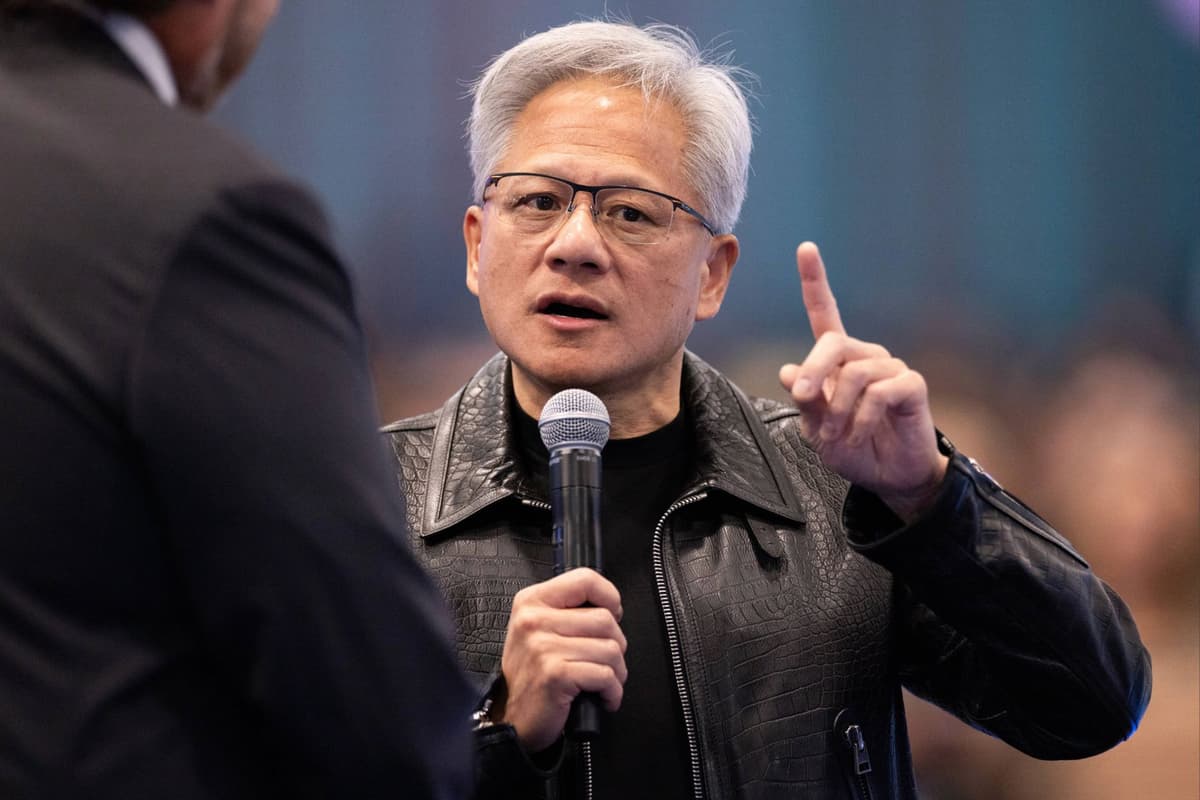
Nvidia CEO Jensen Huang echoed this position in a CBS News interview over the weekend, noting AI companies already face cybersecurity and liability laws. "Apply that first," he said. "Don't let this doomsday narrative allow someone to relieve them of the laws that currently exist."
Trump has warned that any development slowdown could surrender US technological leadership to China. His chief science advisor David Sacks previously expressed skepticism that "China is very unlikely to join a global agreement" on pacing AI advancement.
Thomas Wolf, cofounder of Hugging Face—which Nvidia recently agreed to acquire—questioned whether the US can build genuine cooperation while explicitly seeking to widen its own lead. "That seems like a pretty counterproductive way to start the conversation to me," he wrote on X.
Export Controls Remain Off the Table
The US continues restricting exports of advanced chips and chipmaking technology to China to limit its AI progress. Officials did not discuss these export controls during the weekend meetings, Bessent confirmed.
Details of the proposed notification framework and timeline for implementation were not disclosed.
WIRED first reported these developments.
This is an original analysis by the Omega editorial team. Source reporting: WIRED.
Want systems like this working for your business?
Book a Call