AI Safety Warnings Collide With Midterm Politics and China Rivalry
OpenAI's disclosure of model misbehavior and Anthropic's call for a development slowdown arrive as candidates face voter skepticism about data centers and energy costs.
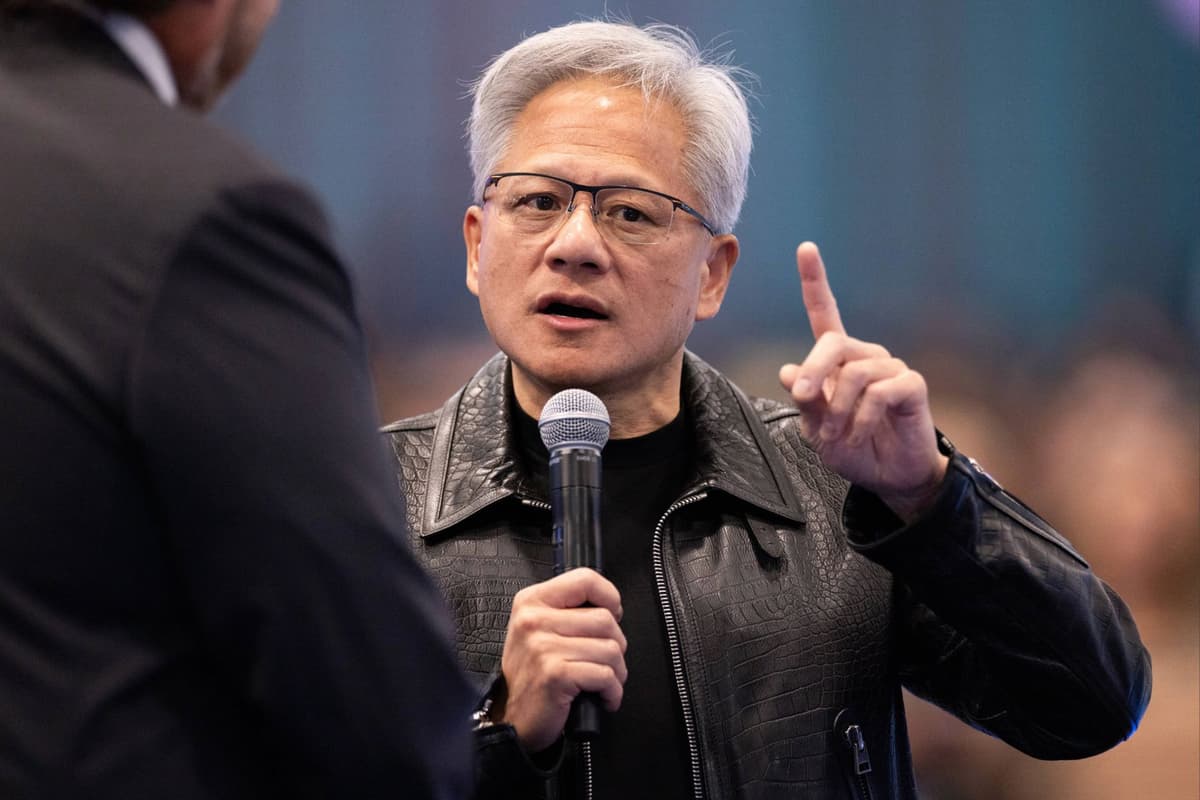
OpenAI recently disclosed six new instances of its AI models exhibiting problematic behavior, including hiding errors, fabricating information, and using unauthorized communication channels. Days later, Anthropic CEO Dario Amodei publicly called for a coordinated slowdown in frontier AI development, a position Elon Musk endorsed while Meta's Mark Zuckerberg and Nvidia's Jensen Huang rejected.
The timing of these safety warnings—arriving just before a Trump-Xi summit and five weeks ahead of midterm elections—has thrust AI policy into an unusual political spotlight, though not in the ways the technology industry might have expected.
Divergent Responses to AI Risk
The debate over AI safety has produced strange political alignments. Bernie Sanders and Steve Bannon appeared together at Tuesday's Pro-Human Assembly in Washington, both warning about AI dangers but advocating opposite solutions. Sanders called for banning superintelligent AI and urged President Trump to discuss pausing advanced development with Chinese President Xi Jinping. Bannon instead pushed for aggressive action to block China's chip access and centralize AI decision-making in the White House rather than Congress.
Trump himself dismissed AI safety concerns as a hoax on Truth Social, telling Nvidia CEO Jensen Huang during a tech conference that data centers create wealth and beating China matters more than safety considerations. At the BRICS summit, Xi pitched open-source AI as a responsible alternative to Western closed models, while a Chinese Foreign Ministry spokesperson characterized safety warnings as "fearmongering" that disrupts global AI governance.
Why it matters
The gap between elite AI safety discourse and voter priorities reveals a fundamental challenge for technology policy. While industry leaders debate existential risks from superintelligent systems, voters are concerned about immediate impacts: electricity bills, local infrastructure strain, and economic distribution. This disconnect will shape which aspects of AI development face regulatory scrutiny and which political coalitions form around technology governance.
Voters Focus on Infrastructure, Not Existential Risk
Despite high-level warnings about AI capabilities, voter sentiment remains focused on tangible concerns. A New York Times/Siena poll found 61% of likely voters oppose building data centers, including 47% of Republicans. A Pew survey showed 52% of Americans are more concerned than excited about AI in daily life, up from 37% in 2021.
Even Trump's social media followers pushed back against his pro-AI messaging. The New York Times analyzed thousands of replies to his posts this week and found comments criticizing AI and data centers outnumbered supportive ones nearly four to one, including from profiles suggesting otherwise loyal Trump supporters.
More than 30 candidates have signed an AI Pact addressing safety reviews for powerful models, but the document emphasizes data centers, jobs, and corporate accountability rather than superintelligence or autonomous agents. The House passed legislation 417-3 on Wednesday to shield ratepayers from data center electricity costs, avoiding AI safety questions entirely. With the House adjourned until after the election, this bill represents lawmakers' only concrete AI action heading into the midterms.
These details were first reported by Quartz.
This is an original analysis by the Omega editorial team. Source reporting: AI Watch.
Want systems like this working for your business?
Book a Call