UPS eliminates 78,000 positions as automation reaches 68.5% of volume
The logistics giant is closing 150 facilities and cutting 50 million labor hours while the Teamsters union mounts no organized resistance.
UPS has eliminated nearly 78,000 operational positions over the past two years as the company accelerates its automation strategy and consolidates its physical network, according to figures disclosed during the company's July 28 quarterly earnings call.
The package delivery giant now processes 68.5 percent of its US volume through automated facilities, up from 64 percent a year earlier—an increase equivalent to 337 million additional packages handled by machines rather than workers. Chief Financial Officer Brian Dykes told investors the company has eliminated 50 million labor hours and will close nearly 150 buildings as part of what he described as the largest network consolidation in UPS history.
The workforce reductions represent an acceleration of cuts that began shortly after the Teamsters ratified a new contract in 2023. UPS reported 370,000 US employees at the end of 2025, down from 414,000 two years earlier. The company reduced its operational workforce by 48,000 positions in 2025 alone, including 15,000 fewer seasonal workers.
The technology driving job losses
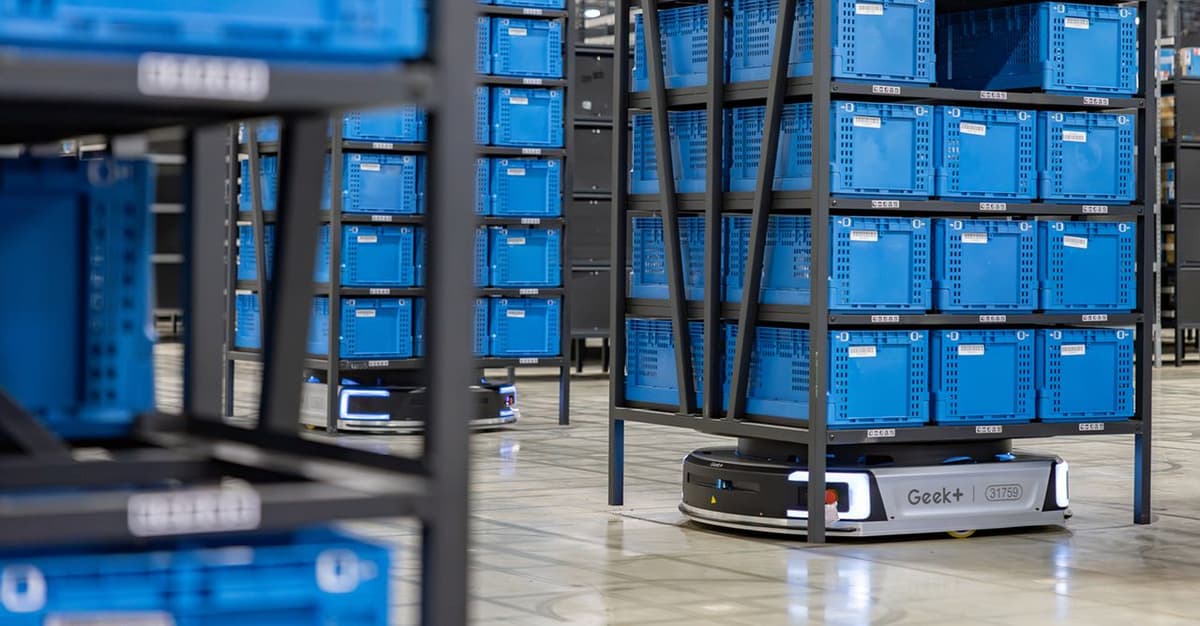
UPS is deploying robotic systems that directly replace traditional package handler roles. The company has installed automated trailer unloading systems, robotic picking and sorting equipment for small packages, and autonomous guided vehicles that transport shipments through facilities without human operators.
The company's Smart Package Smart Facility system uses RFID sensors to track packages automatically as they move through the network, reducing the need for manual scanning. Network-planning software and a digital twin of UPS operations model package flows and optimize routing across the entire system.
CEO Carol Tomé said the cost per piece in an automated facility runs approximately 28 percent lower than in traditional facilities. The company reported second-quarter revenue of $22.8 billion and projects its automation and efficiency programs will generate roughly $3 billion in benefits for the full year.
Contract provisions proved ineffective
The 2023 Teamsters contract required UPS to convert 22,500 part-time positions to full-time roles and create 7,500 additional full-time jobs over three years. However, the agreement contained no restrictions on eliminating far larger numbers of positions through automation, facility closures, or attrition.
The union challenged only one narrow aspect of the cuts: UPS's Driver Choice Program, which offered individual severance packages without union negotiation. The eventual settlement allowed UPS to buy out up to 7,500 drivers for $150,000 each under Teamsters-negotiated terms—a deal the union presented as a victory even as broader workforce reductions continued without organized opposition.
Strategic shift away from Amazon
UPS has deliberately reduced its Amazon business by more than 50 percent from 2024 levels, shedding approximately two million lower-margin packages per day. The company is replacing that volume with higher-margin healthcare, business-to-business, and international shipments while concentrating operations in fewer, more automated facilities. US revenue per piece rose 9.3 percent in the second quarter.
Why it matters
The UPS workforce reduction demonstrates how automation is fundamentally reshaping logistics employment even under union contracts negotiated as worker protections. The 28 percent cost advantage of automated facilities creates powerful economic incentives for companies to accelerate technology deployment, while traditional collective bargaining frameworks have proven unable to prevent large-scale job elimination. As competitors like Amazon pursue similar automation strategies—internal planning documents project robotics could help Amazon avoid hiring more than 600,000 US workers by 2033—the logistics sector faces a structural employment contraction that extends far beyond any single company or contract cycle.
These details were first reported by the World Socialist Web Site.
This is an original analysis by the Omega editorial team. Source reporting: Automation Watch.
Want systems like this working for your business?
Book a Call
