UN Rights Chief: Children Must Be Consulted on AI Development
Survey of 1,000+ children in 49 countries reveals concerns about fake images, data exploitation, and being excluded from decisions that affect them.
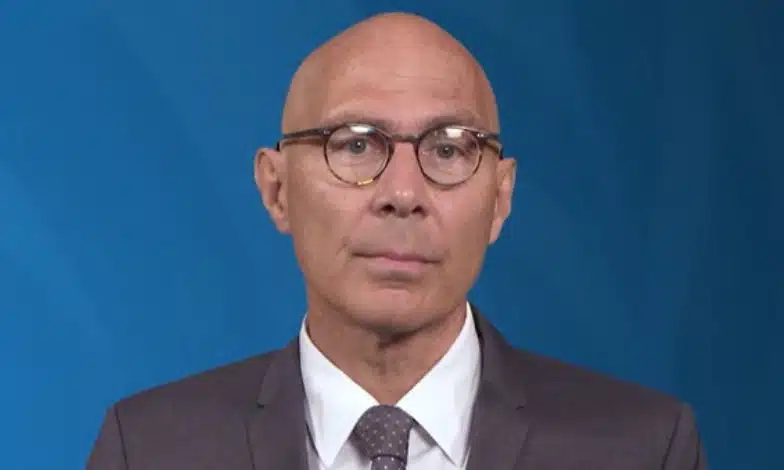
The United Nations' top human rights official is calling for mandatory protections for children in artificial intelligence systems, backed by direct testimony from more than 1,000 young people across nearly 50 countries.
Volker Türk, UN High Commissioner for Human Rights, told the General Assembly that today's children represent the first generation growing up with AI — yet they remain "often the last to be asked about it." His office conducted a global survey to address that gap, gathering input from children in 49 countries about their AI concerns.
What children told the UN
The survey responses revealed specific anxieties that cut across geographic boundaries. Children expressed worry about AI being used to generate fake images of real people, a concern that directly addresses the proliferation of deepfake technology. They also flagged concerns about exploitation of their private data, threats to their creativity, and AI systems replacing genuine human relationships with family members, friends, teachers, and therapists.
Most significantly, the children surveyed emphasized they want meaningful consultation before decisions affecting them are made — not token engagement after the fact.
Legal obligations already exist
Türk pointed to the Convention on the Rights of the Child, which he noted is the most widely ratified human rights treaty globally. The convention creates legally binding obligations not only for governments but also for corporations, including technology companies.
Those building AI systems bear the duty to respect children's rights through several mechanisms: conducting human rights due diligence before product release, ensuring transparency in how systems work, and submitting to independent verification. Türk emphasized that voluntary commitments from companies fall short of what's required.
Governments must enforce existing laws rather than relying on industry self-regulation, he said.
Why it matters
Children interact with AI systems daily through educational platforms, social media, gaming, and increasingly sophisticated chatbots — yet they have minimal voice in how these technologies are designed or deployed. The UN survey demonstrates that young people possess sophisticated understanding of AI risks and want substantive participation in governance decisions. As AI capabilities expand rapidly, establishing enforceable protections now could prevent harms at scale and set precedents for rights-based technology development that extends beyond children to all users.
International guidance emerging
Türk welcomed a coalition roadmap pointing toward international guidance on rights-based AI for children and young people. He called for every AI product to meet rigorous standards before reaching children.
"Children's rights apply to AI, as they apply everywhere," Türk concluded in his remarks.
The comments were delivered at an event during the 81st session of the UN General Assembly in New York, as first reported by the UN Regional Information Centre.
This is an original analysis by the Omega editorial team. Source reporting: AI Watch.
Want systems like this working for your business?
Book a Call