Uber Tightens Litigation Rules as Driver Protests Mount Over AI
The rideshare giant is requiring disclosure of third-party funding in lawsuits while facing organized pushback against automation-driven pay cuts.
Uber Technologies is simultaneously hardening its legal defenses and accelerating automation plans that have triggered organized driver protests, a combination that underscores growing friction between the company's technology ambitions and its human workforce.
The company recently implemented new rules requiring plaintiffs in lawsuits to disclose any third-party litigation funding arrangements. At the same time, drivers across Uber's rideshare platform have staged organized protests over what they describe as AI-linked pay cuts tied to the company's automation push, according to Simply Wall St.
The automation acceleration
Uber has expanded partnerships with Stellantis, Wayve, Lucid, and Nuro to advance robotaxi and autonomous vehicle initiatives. These deals represent the operational reality behind driver concerns—a clear signal that Uber is moving toward a future with fewer human operators.
The tension is not just theoretical. Drivers report direct impacts on their earnings as the company tests and deploys more automated systems. The protests reflect organized resistance to what workers see as a managed transition away from their livelihoods.
Investment implications
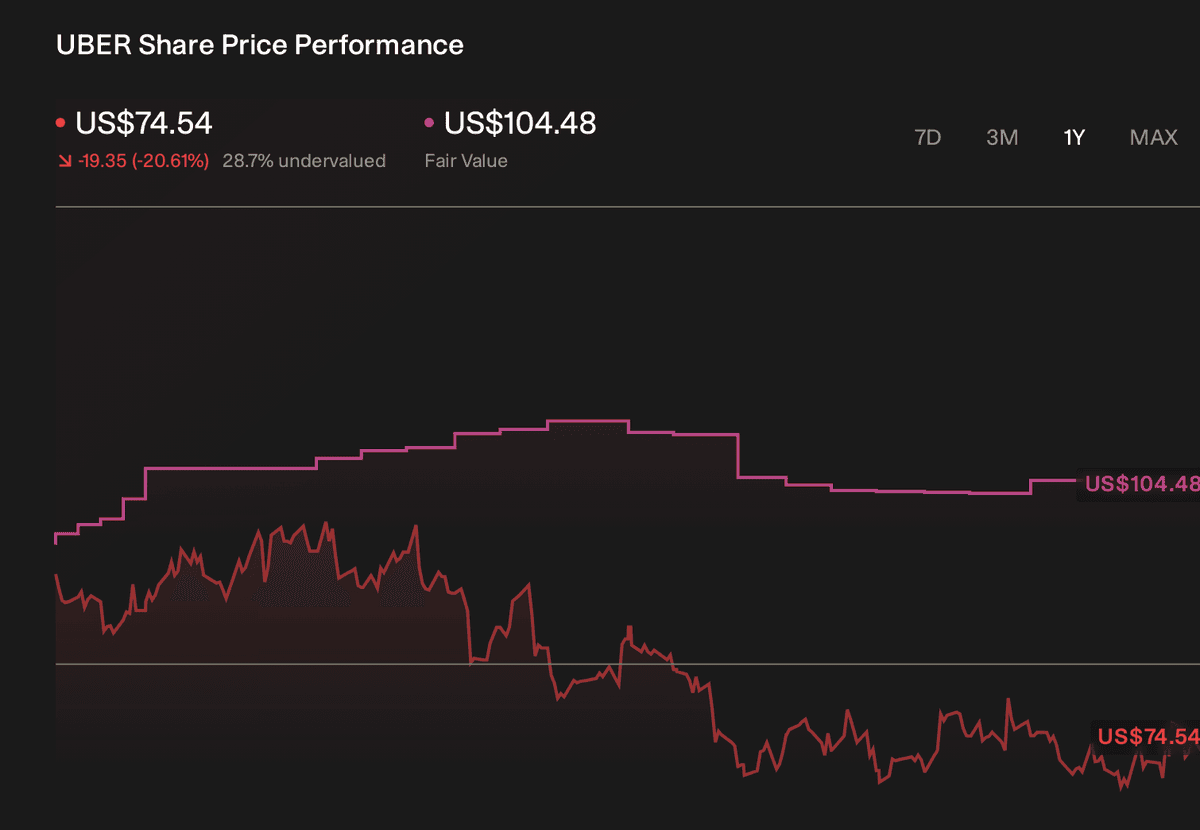
For investors, Uber's core thesis remains intact: the platform can grow usage across mobility and delivery while improving margins through higher-value services like advertising and, eventually, autonomous operations. Analyst projections cited by Simply Wall St show revenue estimates ranging from $77.8 billion to $86.5 billion by 2029, with earnings between $11 billion and $13.6 billion.
The litigation funding disclosure requirement suggests Uber is preparing for sustained legal challenges, potentially from drivers or other parties affected by automation. Third-party funding has become common in class actions and labor disputes, and requiring disclosure could help Uber assess the financial backing and strategic intent behind lawsuits.
Why it matters
Uber's dual strategy reveals the operational reality of AI transformation in the gig economy. The company must manage legal exposure while navigating workforce displacement at scale—a challenge that will define not just Uber's trajectory but the broader automation of service work. How regulators and courts respond to both the litigation rules and driver grievances could set precedents for other platform companies pursuing similar automation paths.
The robotaxi partnerships move Uber closer to a model with fundamentally different unit economics, but the timeline from pilots to meaningful trip volumes remains uncertain. Execution risk around autonomous vehicles and the regulatory environment both remain key variables that could reshape the investment case.
Driver unrest adds a human dimension to what is often framed as a pure technology story. The protests signal that automation's social costs may create friction that slows deployment or increases regulatory scrutiny, even as the technology itself advances.
These developments were first reported by Simply Wall St, which noted that while the legal and labor developments are "directionally important," they do not yet materially alter Uber's core investment narrative.
This is an original analysis by the Omega editorial team. Source reporting: Automation Watch.
Want systems like this working for your business?
Book a Call
