Douglas Elliman CEO Says AI Will Reduce Need for Agents
The brokerage's tech overhaul and accompanying layoffs signal how automation is beginning to reshape residential real estate roles.
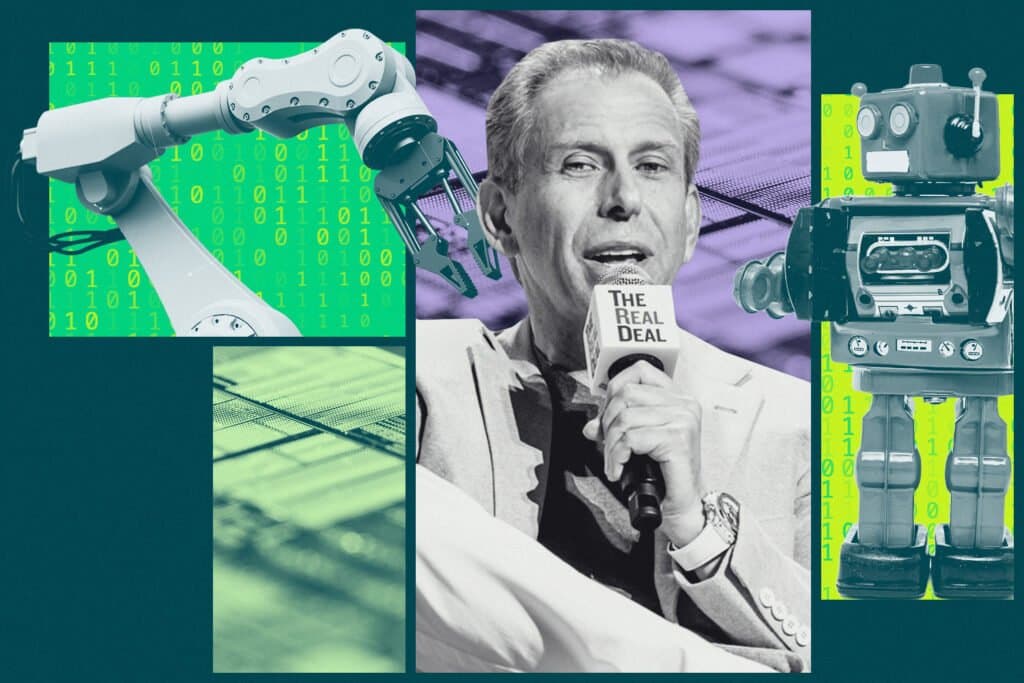
Brokerage announces AI overhaul with workforce implications
Douglas Elliman has launched a technology overhaul powered by Google Cloud AI that CEO Michael Liebowitz says will result in layoffs and eventually reduce the number of agents needed across the residential real estate industry. The announcement marks one of the most direct acknowledgments yet from a major brokerage that artificial intelligence will reshape workforce requirements in the sector.
Liebowitz's comments echo a pattern already visible in technology companies, where Meta, Amazon, and Oracle have eliminated thousands of positions following AI implementation. But residential real estate has been slower to feel these effects, even as brokerages pour resources into automation tools.
Why it matters
While tech sector layoffs tied to AI have made headlines for months, residential real estate has largely avoided similar workforce reductions. Elliman's announcement suggests that calculus may be changing, particularly for back-office and administrative roles. The comments also validate concerns among agents about whether their positions remain secure as automation advances, even if widespread displacement hasn't materialized yet.
How AI is changing agent workflows
Artificial intelligence tools have already altered day-to-day operations for many agents, primarily by automating administrative tasks. Agents now use AI to draft listing descriptions, generate contracts, and produce data reports—work that previously consumed significant time.
Competitor Compass has invested nearly $1 billion in its technology platform, which it recently extended to brands acquired through its merger with Anywhere Real Estate. These investments reflect industry-wide recognition that automation will define competitive advantage.
Client expectations create new friction
Brokers across New York firms report a different AI-related challenge: clients increasingly rely on automated tools to set price expectations for buying or selling properties. These AI-generated estimates are often inaccurate or misleading, creating friction in negotiations.
John Walkup, co-founder of UrbanDigs, compared the phenomenon to early GPS adoption when drivers would follow directions into bodies of water. Despite this frustration, agents say they've generally succeeded in correcting client misconceptions, suggesting their expertise remains valued.
Workforce impact remains unclear
Liebowitz acknowledged that technology improvements will enable elimination of back-end and business positions at Elliman. However, the broader impact on agent roles remains uncertain. While speculation about AI-driven displacement persists, agents haven't yet seen significant job losses tied directly to automation.
The gap between executive predictions and current reality suggests the transition may unfold gradually rather than through sudden workforce reductions. Agents continue to demonstrate value in areas where AI tools fall short, particularly in managing client relationships and correcting automated misinformation.
The details were first reported by The Real Deal.
This is an original analysis by the Omega editorial team. Source reporting: AI Watch.
Want systems like this working for your business?
Book a Call
