Tuya's Doova Robot Brings Mobile AI Emergency Response Home
The wheeled companion navigates independently to seniors who call for help, then connects family via live video—but key questions remain unanswered.
A mobile approach to aging in place
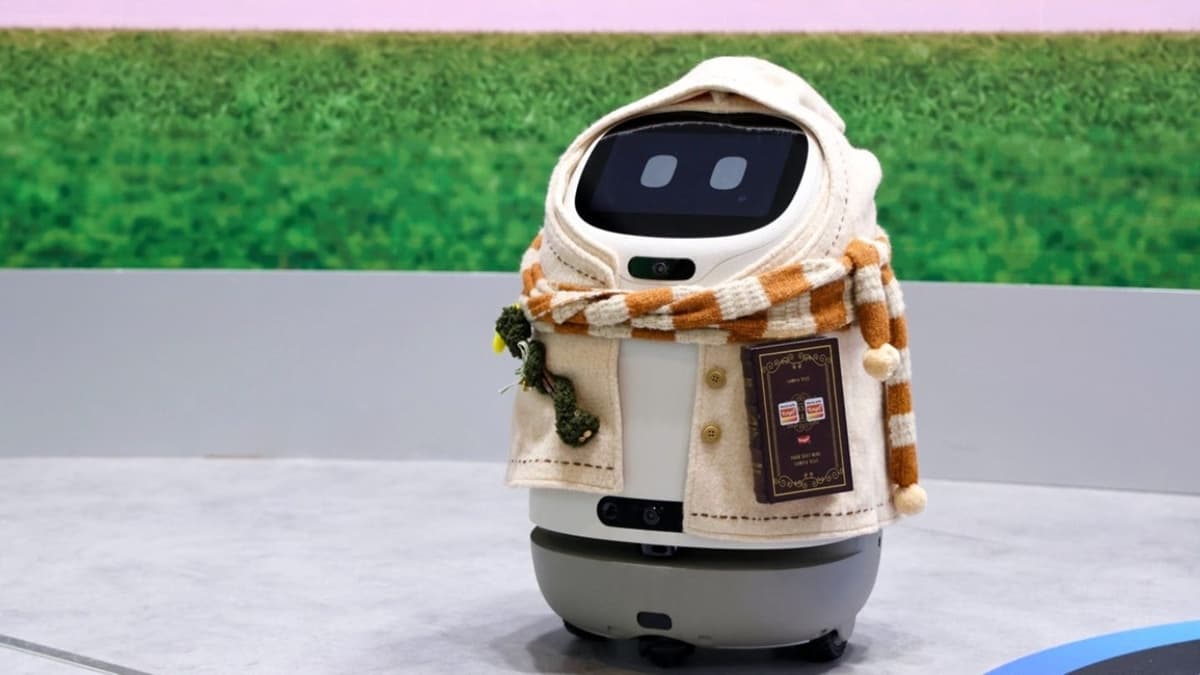
Tuya Smart has introduced Doova, a wheeled AI robot designed to help seniors live independently at home while giving families a new way to respond when something goes wrong. Unlike stationary smart speakers or cameras, Doova can navigate through rooms and physically approach someone who needs assistance.
The company unveiled the device at IFA 2026 in Berlin, positioning it as both an emergency response tool and a daily companion for older adults who want to remain in their own homes.
Why it matters
The shift from passive monitoring devices to mobile AI assistants represents a significant change in how technology can support aging in place. For families managing the tension between independence and safety, a robot that can physically reach a loved one and establish immediate video contact could reduce response times during critical moments. However, the privacy implications of a camera-equipped, learning-enabled device that moves freely through someone's home demand careful scrutiny before deployment.
How emergency response works
When someone says "Hey Tuya, help," Doova uses LDS LiDAR navigation and a four-microphone array to locate the person and move to their location. The robot's AI vision system analyzes skeletal posture to assess the situation.
If the user doesn't respond within 60 seconds, Doova initiates an emergency workflow that alerts family members with a two-way live video call. This allows relatives to see what's happening and coordinate assistance.
Notably, Tuya has not indicated that Doova automatically detects falls without a verbal request or that it contacts 911 or professional monitoring services directly. This positions the device as a supplemental layer rather than a replacement for dedicated medical alert systems.
Beyond emergencies
Doova incorporates a multimodal large language model that enables natural conversation rather than rigid voice commands. The robot can provide companionship, help interpret confusing documents, and identify potential scam risks—though users should verify suspicious communications independently rather than relying solely on AI judgment.
The device also handles routine tasks including medication reminders, schedule management, and weather updates. Tuya plans to add a feature for locating misplaced items around the house.
For smart home control, Doova can adjust connected lights, curtains, and compatible kitchen and bathroom devices through voice commands, potentially simplifying systems that often require multiple apps.
Unanswered questions
Tuya has not disclosed pricing, availability dates, or detailed privacy protections for Doova. Critical gaps include where video and audio are processed, what data gets stored, who can access it, and whether users can permanently delete learned information.
The robot's real-world performance remains unproven. Navigating around rugs, cords, and tight spaces presents challenges for wheeled devices, and stairs remain inaccessible. Emergency reliability—particularly when someone is frightened, speaking softly, or in a difficult-to-reach location—requires testing beyond trade show demonstrations.
Doova features a 10.1-inch HD display with animated expressions and measures for home patrol when residents are away, creating 360-degree scans from central room positions rather than wall-hugging routes.
Fox News (AI Watch) first reported details of the Doova announcement. Tuya Smart did not respond to requests for additional information about emergency protocols, privacy controls, connectivity requirements, or launch timing.
This is an original analysis by the Omega editorial team. Source reporting: AI Watch.
Want systems like this working for your business?
Book a Call