Trump Promises Week-Long Approvals for AI Data Center Power Plants
The administration claims it can fast-track energy facilities for tech companies, but state and local requirements typically take months to satisfy.
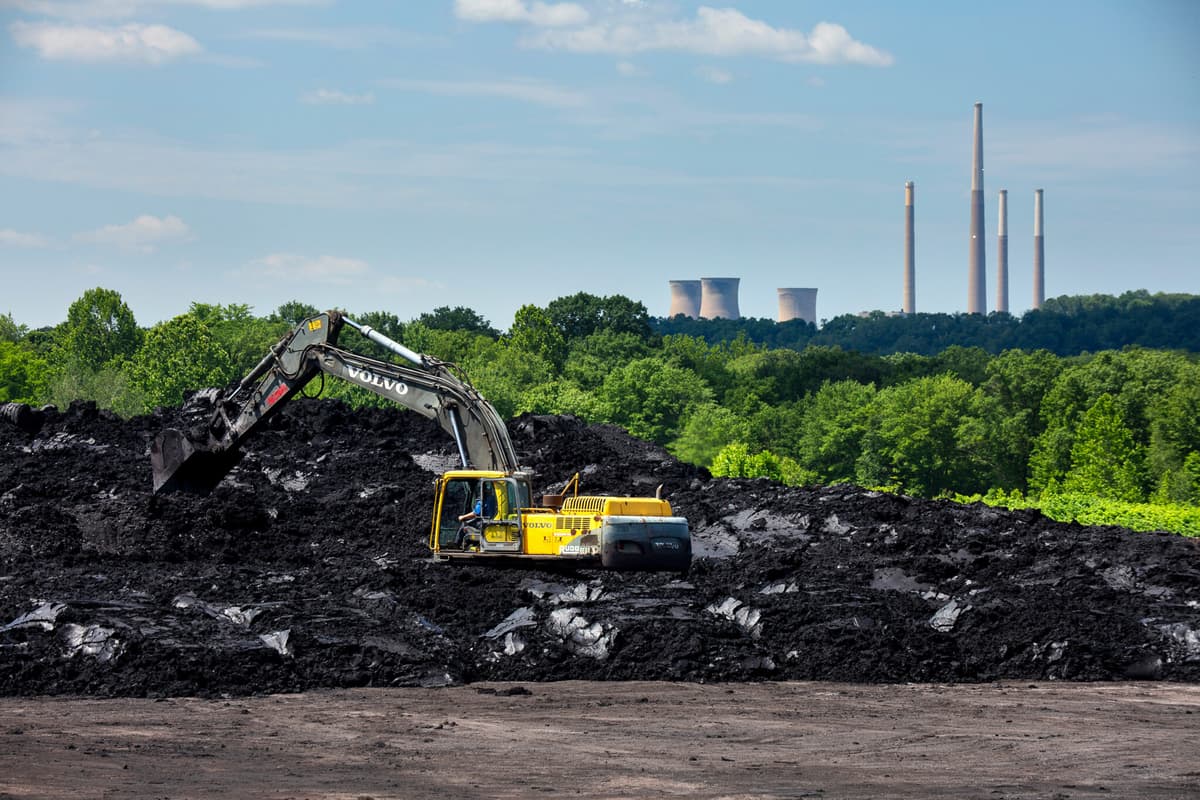
President Donald Trump told reporters Monday that his administration is approving energy facilities to power artificial intelligence data centers "in a matter of weeks," a timeline that conflicts with typical state and local permitting processes that require months even under expedited conditions.
Trump said he was surprised to learn how much energy AI development requires, noting that Big Tech leaders told him they need access to double the country's existing energy capacity to advance technologies and compete globally. The president said he personally called Mark Zuckerberg, Jeff Bezos, Sam Altman, and Elon Musk after EPA Administrator Lee Zeldin reported that tech companies weren't submitting plans for private power plants.
"They thought we were kidding," Trump said. "They can't believe it, that they're approved in a period of a matter of weeks."
The White House did not respond to questions about how the administration is achieving these approval timelines, according to Inside Climate News, which first reported the remarks.
The Energy Infrastructure Reality
While the administration has moved to waive environmental protections and expedite permits for gas plants and data centers, numerous state and local requirements remain in place. Even in the fastest permitting environments, satisfying these requirements takes months.
Trump positioned the idea of allowing tech companies to build "behind-the-meter" generating units as his own innovation, though this practice is already mainstream in the industry to ensure continuous power access. Dedicated power plants for data centers have grown increasingly common as companies race to bring facilities online.
The president said companies can use nuclear, oil, or gas energy but specifically excluded wind power. "We don't allow wind," Trump said. "Wind is terrible, it just doesn't work." Wind currently generates one-tenth of U.S. electricity, according to the Energy Information Administration.
74 Gas Plants Proposed for AI Computing
The AI development race has generated plans for 74 new or expanded methane gas plants across the United States dedicated to serving data centers, according to a new Environmental Integrity Project report. These facilities would generate 143 gigawatts of electricity—enough to power California nearly three times over.
Texas leads with 32 proposed plants, followed by Ohio with 10 and Pennsylvania with seven. The plants would collectively release nearly 662 million tons of greenhouse gas pollution annually, equivalent to Australia's total emissions, plus air pollutants contributing to smog and lung damage.
Growing Community Resistance
Data centers have become increasingly unpopular in communities nationwide as the industry expands into rural areas. Senator Bernie Sanders and Representative Alexandria Ocasio-Cortez introduced legislation in March proposing a construction moratorium until AI safeguards are established.
Texas Governor Greg Abbott called for blocking new rural data center developments last week. New York's legislature passed a one-year permit moratorium in June, though Governor Kathy Hochul has suggested leaving decisions to municipalities. Communities including Monterey Park, California, and Ashville, Ohio, have enacted temporary bans.
The Trump administration announced last month it would not set nationwide environmental requirements for the data center industry, with Zeldin stating that states and communities should determine what works best locally.
Why it matters
The collision between AI's massive energy demands and environmental concerns represents a defining infrastructure challenge. If tech companies can indeed bypass traditional permitting timelines, it would fundamentally reshape how energy projects are approved in the United States—with significant implications for local communities, power grids, and climate commitments. The proposed gas plant buildout alone would add emissions equivalent to an entire developed nation.
These details were first reported by Inside Climate News.
This is an original analysis by the Omega editorial team. Source reporting: AI Watch.
Want systems like this working for your business?
Book a Call
