Trump DOJ Faces Pushback Over OpenAI Copyright Fair Use Position
Conservative voices argue the Justice Department's statement supporting AI training on copyrighted works undermines creator rights and property law.
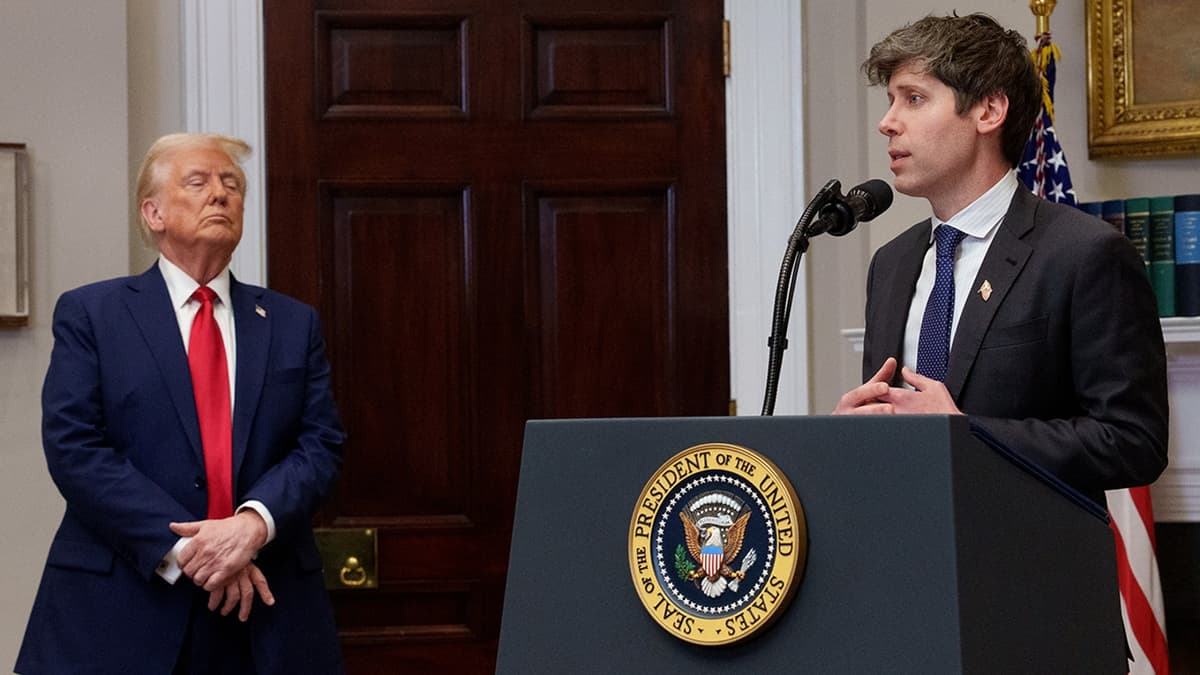
The Trump Justice Department has drawn criticism from within its own political coalition over a legal filing that supports Big Tech's use of copyrighted material to train artificial intelligence models.
The Department of Justice recently submitted a statement of interest in a private lawsuit involving OpenAI, arguing that training large AI models on copyrighted text qualifies as fair use — a legal doctrine traditionally reserved for limited educational purposes. The position has sparked objections from conservative commentators who view it as inconsistent with property rights principles.
The core dispute
According to Mike Davis, writing in Fox News Opinion, the government's stance would effectively permit technology companies to use any creative work in America without authorization or compensation. The Justice Department has framed unrestricted access to copyrighted material as a national security imperative, warning that limitations could disadvantage the United States in competition with China for AI dominance.
Critics reject this framing. Davis argues that adopting practices similar to China's approach to intellectual property represents an abandonment of rule-of-law principles rather than a competitive strategy. He notes that the same technology platforms now seeking broad copyright exemptions previously engaged in content moderation practices that conservative media outlets characterized as censorship.
Why it matters
This debate highlights a fundamental tension in AI policy: whether national technological leadership requires relaxing intellectual property protections, or whether respecting creator rights is itself a competitive advantage. The outcome will determine whether AI companies must negotiate licensing agreements — as music streaming services do — or can train models on copyrighted works without permission. For independent media operations and individual creators, the distinction carries significant economic implications.
The licensing alternative
Opponents of the DOJ position point out that AI companies possess substantial financial resources. The industry invests hundreds of billions of dollars annually in development, suggesting that licensing costs would not present an insurmountable barrier. Davis draws a parallel to the music industry, where platforms like Spotify operate under licensing frameworks that compensate rights holders while enabling commercial use.
The argument extends beyond economics to questions of consistency. Davis notes that Google withdrew support from the U.S. military's Project Maven while simultaneously working on Project Dragonfly, a surveillance system for the Chinese government — a history that complicates claims that these companies reliably prioritize American national interests.
Political dynamics
The criticism comes from voices within the conservative movement that supported Trump's election, creating an unusual dynamic where allies are publicly urging the administration to reverse course. Davis specifically calls for withdrawal of the statement of interest, framing the request as holding the Justice Department to its own high standards on rule-of-law issues.
The debate also reflects broader conservative concerns about AI policy, which Davis summarizes as protecting "the 4Cs: children, communities, conservatives and creators." From this perspective, the copyright position fails the creator protection test.
These details were first reported by Fox News Opinion in a piece by Mike Davis.
This is an original analysis by the Omega editorial team. Source reporting: AI Watch.
Want systems like this working for your business?
Book a Call