Three Senate Democrats Push Bills to Restrict Military AI Use
Senators Schiff, Gillibrand, and Slotkin propose legislation requiring human oversight for autonomous weapons and surveillance systems.
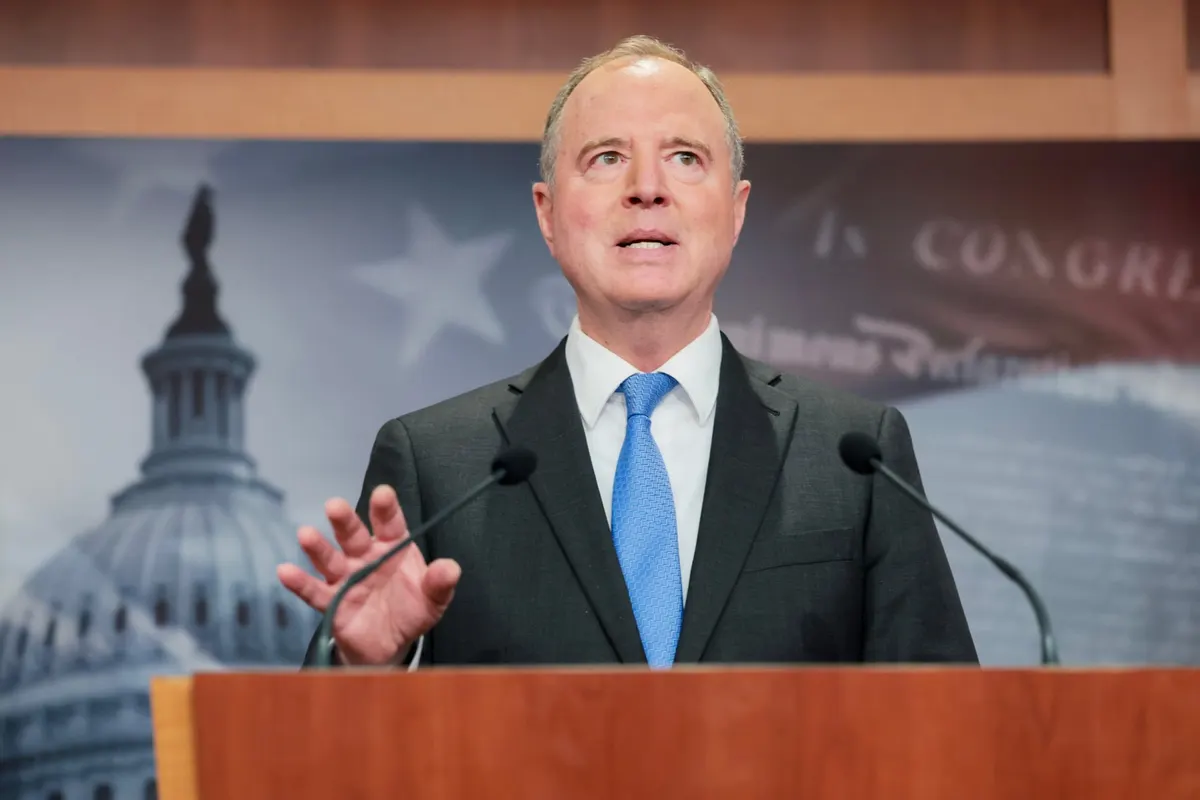
Three Democratic senators introduce military AI restrictions
Three Democratic senators have introduced separate bills aimed at restricting how the Department of Defense deploys artificial intelligence, with each planning to attach their proposals to the annual military spending package that must pass by year's end.
Senator Adam Schiff of California this week unveiled the Human Authority in Lethal Operations (HALO) Act, which would mandate that a human commander retain final authority over any action taken by autonomous weapon systems. The legislation would also require detailed documentation of military decision-making and target selection for later review, establish whistleblower protections, and prohibit AI use in certain nuclear weapons operations and mass surveillance activities.
Senator Kirsten Gillibrand of New York introduced similar legislation earlier this month, while Senator Elissa Slotkin of Michigan put forward the AI Guardrails Act in March. All three lawmakers reportedly plan to introduce their bills as amendments to the National Defense Authorization Act (NDAA).
Why it matters
The legislative push follows a high-profile breakdown between the Pentagon and Anthropic, which was designated a supply chain risk after reportedly refusing to remove safeguards preventing its AI models from enabling mass domestic surveillance and fully autonomous weapons. The Pentagon subsequently signed contracts with OpenAI, Google, Nvidia, SpaceX, Microsoft, and Amazon Web Services. The episode exposed a policy vacuum around military AI deployment at a time when these systems are already being used for target selection and surveillance operations globally.
What the bills would require
Schiff's HALO Act centers on maintaining human control over lethal military technology. Beyond requiring commander approval for autonomous weapons actions, the bill would mandate record-keeping systems to document how decisions were made and targets selected.
Gillibrand's proposal focuses on what it terms "high-consequence actions," requiring approval from senior DoD officials before AI systems can be deployed in nuclear weapon operations, domestic surveillance, or fully autonomous weapons scenarios.
Slotkin's AI Guardrails Act targets similar restrictions, though specific details of her proposal were not disclosed in the reporting.
Limits of human oversight
While all three bills emphasize human oversight as a safety mechanism, experts warn that human involvement alone may not eliminate risks. Automation bias—the tendency to trust AI judgments over human assessment because systems appear to process more information—can lead decision-makers to defer to flawed AI recommendations.
Large language models remain prone to hallucinations and biased reasoning, and their "black box" nature means users often lack complete insight into how systems reach conclusions. These factors could still produce fatal errors even with human commanders in the approval chain.
Political context
Schiff has been vocal in supporting Anthropic's position following its Pentagon fallout. At a March conference, he stated, "I wish we had more voices like Anthropic out there." He has introduced multiple AI-related bills in recent months, including proposals requiring data centers to fund their own power infrastructure and mandating AI companies disclose copyrighted training materials.
Military AI use is not new—armed forces worldwide have deployed these systems for target selection and surveillance for years. But the Anthropic episode thrust the issue into public debate and prompted Democratic lawmakers to formalize restrictions that previously existed only as informal guidelines or company policies.
These details were first reported by Gizmodo.
This is an original analysis by the Omega editorial team. Source reporting: AI Watch.
Want systems like this working for your business?
Book a Call
