AI Data Centers Fracture Texas GOP Base in 2026 Governor Race
Rural Republicans join Democrats in opposing massive server farms over water, land, and energy concerns, creating an unexpected wedge issue.
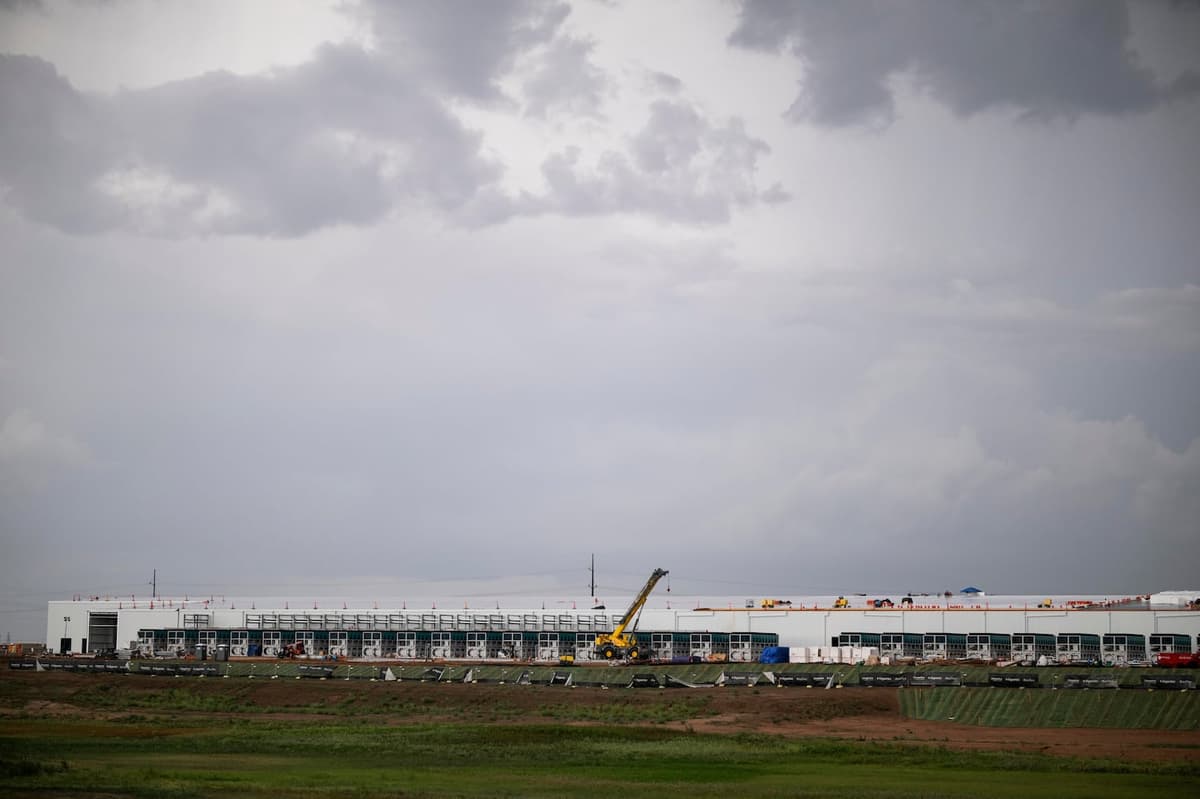
A political fault line is opening across rural Texas as opposition to massive AI data centers unites unlikely allies and threatens to reshape the state's gubernatorial contest. Democratic nominee Gina Hinojosa is making the issue central to her campaign against Republican Gov. Greg Abbott, tapping into anger that crosses traditional partisan boundaries.
The conflict centers on energy-intensive server warehouses being built across west Texas and the panhandle to power artificial intelligence systems. Texas is on track to surpass northern Virginia as the world's largest data center market by 2030, according to commercial real estate firm JLL, driven by abundant land, energy resources, and business-friendly regulations.
Why it matters
The data center backlash represents a rare vulnerability for Republicans in Texas, where the party has dominated for three decades. Rural areas that typically serve as conservative strongholds are now questioning their governor's economic development priorities when those projects threaten water supplies, farmland, and quality of life. The issue is also surfacing in statewide races from Ohio to Wisconsin to Pennsylvania, suggesting AI infrastructure could become a defining political flashpoint as the technology scales.
Republicans break ranks over development
Opposition includes prominent Republicans like Texas Agriculture Commissioner Sid Miller, along with grassroots activists who traditionally vote straight-ticket GOP. Ranchers and farmers worry that data centers will consume scarce water resources in a state already facing shortages, compete for land, and industrialize rural communities.
"This is the most cross-partisan issue I've ever seen in my life," said Clayton Tucker, a rancher and Democratic nominee for state agriculture commissioner, according to reporting first published by AI Watch.
The projects often arrive with little transparency about their environmental impact or resource demands. Google is building four data centers in northwest Texas and recently held moderated conversations with officials in Lubbock and Amarillo. One facility near Amarillo is being promoted as the world's largest data center.
Critics note that Texas counties lack zoning authority—the local planning power that communities elsewhere use to block unwanted development. This regulatory gap has allowed rapid expansion with minimal community input.
Abbott shifts position as election nears
Governor Abbott, who helped announce Google's $40 billion Texas investment last November and called the state "the epicenter of AI development," has recently attempted to address constituent concerns. He ordered regulators to ensure data centers don't drive up electricity bills and promised legislation to impose new regulations, including eliminating tax breaks worth over $1 billion annually and preventing construction in "rural Texas neighborhoods."
Opponents dismissed the proposals as vague and insufficient. Hinojosa called Abbott's language "doublespeak that makes no sense to anyone." She pledged that as governor, she would block data center permits if projects weren't beneficial to Texans or lacked community approval.
Water scarcity drives rural anxiety
Water consumption presents the most acute concern. Giles Dalby, a Republican county commissioner and cattle rancher whose family has worked their land for 125 years, warned that data centers could receive priority over agricultural users during shortages. Texas has already seen conflicts between cities and rural water users, and drought conditions have damaged industries like sugar cane production.
Whether rural discontent translates into votes against Abbott remains uncertain. Republican activists Stephen Sanders and Hallie Bertrand, who lead a Lubbock protest group, said some GOP voters may skip Abbott on their ballots without necessarily supporting Hinojosa. Others will vote Republican regardless of the issue.
The data center controversy is also shaping races in other states. In Ohio, Democratic Sen. Sherrod Brown attacked Republican opponent John Husted as the "face of data centers" while voters gather signatures for a statewide construction ban. Wisconsin Democratic gubernatorial candidate Francesca Hong is campaigning to "stop AI data centers," and Pennsylvania Gov. Josh Shapiro faces criticism for welcoming tech companies to farmland.
These details were first reported by AI Watch.
This is an original analysis by the Omega editorial team. Source reporting: AI Watch.
Want systems like this working for your business?
Book a Call
