Swish.ai Sells Assets for $150K After Insolvency
Israeli enterprise AI startup with Coca-Cola and CyberArk among clients exits through court-approved fast-track sale to Unframe.
Israeli AI Startup Exits Through Court-Supervised Sale
Swish.ai, an enterprise AI company that counted Coca-Cola, Nestlé, Amdocs, and CyberArk among its customers, has sold its assets to competitor Unframe for approximately $150,000 following insolvency proceedings in Israel's Tel Aviv District Court.
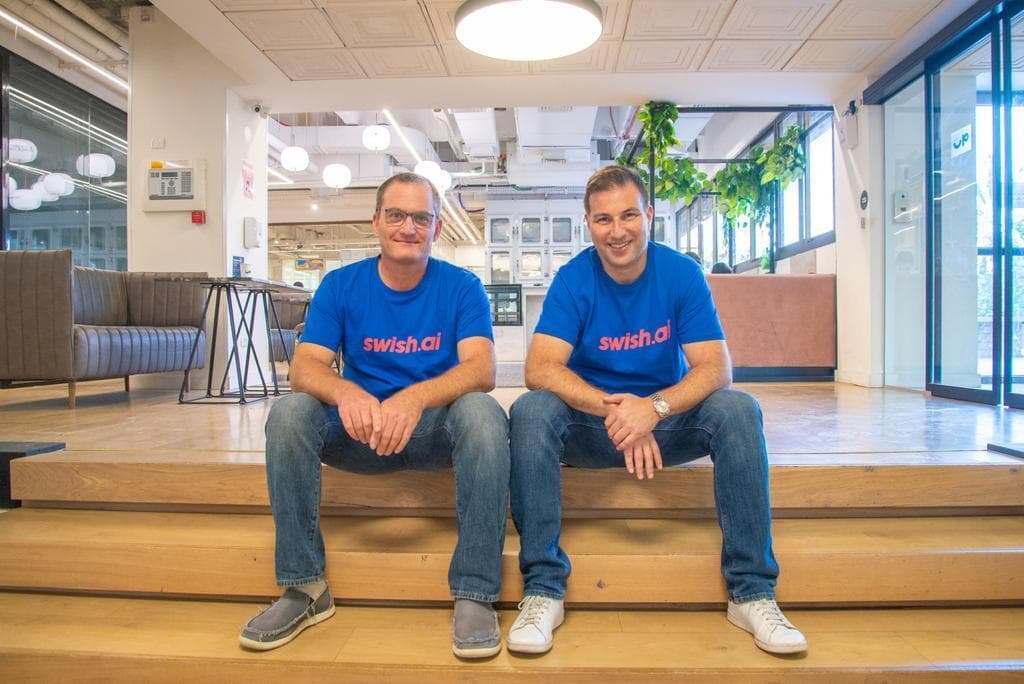
The court approved the fast-track sale within just two weeks to prevent the company's complete collapse, according to Calcalistech, which first reported the transaction. Founded in 2017 by Sebastien Adjiman and Arnon Yaffe, Swish.ai operated in enterprise IT service management, developing AI-based solutions that generated roughly $2 million in annual contract revenue.
Despite serving major international clients, the company accumulated debts of approximately NIS 3.8 million ($1.3 million), including obligations to Bank Hapoalim and unpaid employee salaries. The company had previously raised approximately $20 million in funding.
Why It Matters
The rapid collapse of a venture-backed AI company with blue-chip customers illustrates how quickly enterprise software startups can deteriorate when funding dries up—even with meaningful revenue. The court's willingness to approve asset sales in two weeks reflects growing recognition that technology companies require exceptional speed to preserve value, as employee departures and customer churn can destroy assets faster than traditional bankruptcy proceedings allow.
Funding Environment Takes Toll
In an affidavit submitted to the District Court, Swish.ai executives stated that Israel's political and security challenges in recent years had significantly hampered their ability to raise capital from investors and international venture funds.
Idan Miller, head of Insolvency and Recovery at Barnea Jaffa Lande & Co., who represented the company, noted broader pressures facing Israeli tech firms. "The weak dollar is eroding revenues, while the security situation and high-interest-rate environment are making it more difficult to raise capital," Miller said.
Miller pointed to specific vulnerabilities in technology companies during financial distress: difficulty retaining employees who hold critical organizational knowledge during uncertainty, the immediate need to continue serving customers, and dependence on essential suppliers mean cash-flow difficulties can quickly escalate to insolvency.
Acquirer's Rapid Growth
Unframe, which also develops an enterprise AI platform, announced last month it secured a cumulative $100 million in contracts within one year of operation. The company raised $50 million in a Series B round led by Highland Europe, with participation from Bessemer Venture Partners, Craft Ventures, TLV Partners, Third Point Ventures, Cerca Partners, and Vintage Investment Partners.
The financing brought Unframe's total capital raised since its 2024 founding to $100 million—a stark contrast to Swish.ai's trajectory despite operating in similar markets.
Miller observed that courts have increasingly intervened to facilitate rapid sales of distressed technology companies "within unprecedented timeframes, in an effort to preserve their operations and assets," suggesting the Swish.ai case reflects an emerging pattern in Israeli tech insolvency proceedings.
Details of the transaction were first reported by Calcalistech.
This is an original analysis by the Omega editorial team. Source reporting: AI Watch.
Want systems like this working for your business?
Book a Call