Fish Audio raises $50M seed for AI voice models with 15,000 controls
The Palo Alto startup now serves 8 million users and generates $21 million ARR with open-source and enterprise voice generation tools.
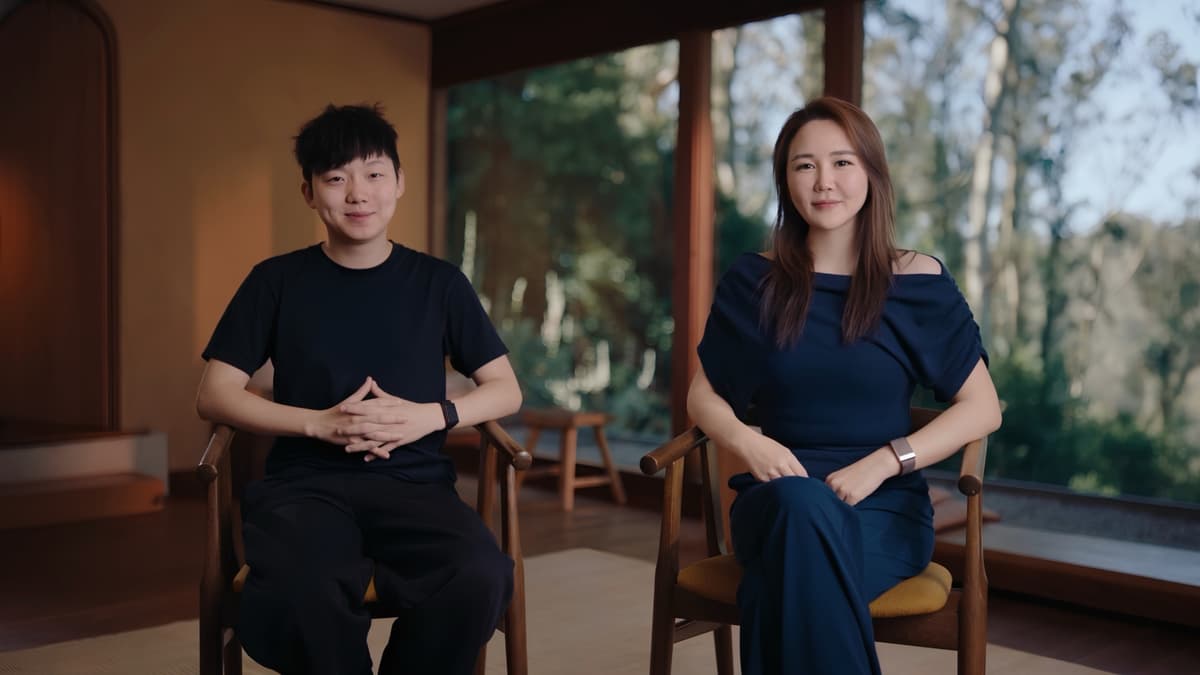
Fish Audio lands $50 million to scale expressive voice AI
Fish Audio has closed a $50 million seed round led by Coreline Ventures and Capital Today to expand its AI voice generation platform, which now serves 8 million users and generates $21 million in annual recurring revenue. The Palo Alto-based startup differentiates itself with a library of more than 15,000 natural language controls designed to make synthetic voices more expressive for creative applications and more steerable for enterprise automation.
The round included participation from 359 Capital, Parable, Play Time, Alphalist Partners, Bayhouse Ventures, Carya Venture Partners, and HF0, according to details first reported by TechCrunch.
From open-source project to commercial platform
Fish Audio began as a side project by former NVIDIA researcher Shijia Liao, who built a voice generation model on a single GPU and open-sourced it out of frustration with existing synthetic voice quality. The Fish Speech repository has since accumulated more than 31,000 stars on GitHub and attracted indie developers, video game designers, and content creators.
The company has released five models in the past year: four speech generation models and one speech-to-text model. While three speech generation models remain open-source, the latest S2.1 Pro model is available exclusively through a paid API. Fish Audio offers tiered monthly plans for creators and teams that include generation minutes and voice cloning capabilities, plus enterprise APIs used by companies including HeyGen, Sanas, and Plaud.
Why it matters
The AI voice generation market is fragmenting by use case. Gaming studios need expressive character voices, avatar platforms prioritize realism, and voice agent companies require low-latency natural speech. Fish Audio's extensive control library addresses this fragmentation, but the company must navigate the same consent and attribution challenges facing the broader generative AI industry. How platforms handle voice ownership and compensation will likely determine which players build sustainable creator ecosystems versus those that face ongoing legal and reputational friction.
Consent challenges and automated takedowns
Fish Audio built part of its voice library by soliciting user-submitted voices and compensating contributors whose voices are used in training. This approach created problems when some creators alleged their voices were uploaded without consent. CEO and co-founder Rissa Cao told TechCrunch the company has automated its DMCA takedown process—creators can now submit a voice sample or contract to prove ownership and have their voice removed in under three minutes.
The system still relies on reactive enforcement rather than proactive verification. Voices can be used on the platform until an artist discovers the unauthorized use and files a takedown request. Oskue Honda, a partner at Coreline Ventures, emphasized that community-driven models require verified voice ownership, clear licensing terms, and revenue-sharing arrangements to build creator trust.
Competing in a crowded market
Fish Audio enters a competitive landscape that includes ElevenLabs, WellSaid, Cartesia, Speechify, Async, and Krisp. Rico Mallozzi, a partner at 359 Capital, pointed to the company's fine-grained developer controls and cost-efficient model training as competitive advantages against larger AI labs.
Cao said the company operated efficiently on its open-source and creator plans but sought capital to develop more advanced models and serve enterprise customers as investor interest increased. Fish Audio plans to release an audio understanding model this year and is building a speech-to-speech model.
These details were first reported by TechCrunch.
This is an original analysis by the Omega editorial team. Source reporting: AI Watch.
Want systems like this working for your business?
Book a Call