Coursera Invests $100M in Andrew Ng's AI Tutoring Startup
LearnVector will develop AI agents designed to function as adaptive personal tutors for adult learners.
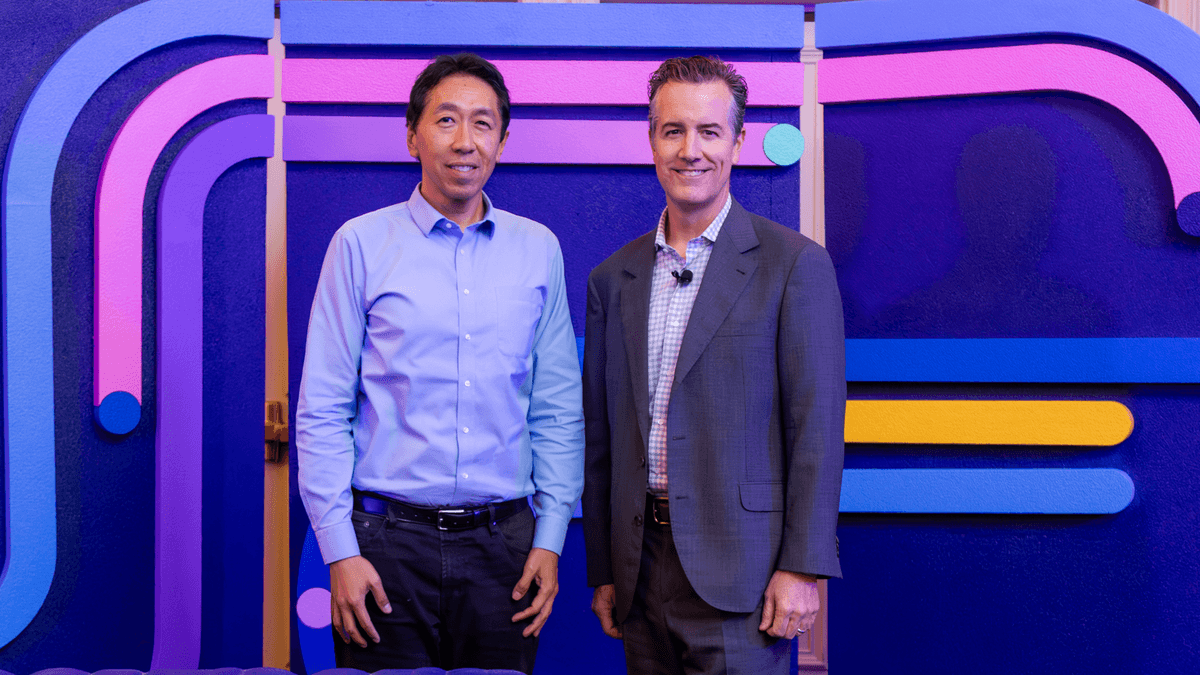
Coursera is making a $100 million investment in LearnVector, a newly formed AI education company founded by Andrew Ng, the AI pioneer who also co-founded and chairs Coursera. The investment represents one of the largest public commitments by an established edtech company to AI-native learning platforms.
Why it matters
This deal signals growing confidence that AI can move beyond chatbot assistance to create fundamentally new learning experiences. For business leaders investing in workforce development, it suggests a shift from content delivery to adaptive, personalized skill-building that could reshape corporate training.
The Investment Structure
The $100 million investment will give Coursera approximately one-third ownership of LearnVector, according to details first reported by Axios. The two companies plan to explore commercial partnerships that would combine LearnVector's AI technology with Coursera's existing content library and global distribution infrastructure.
LearnVector's first products are scheduled to launch in early 2027.
Beyond Chatbot Prompting
LearnVector aims to build AI agents that serve as personal tutors, adapting to individual learners and practicing with them until they demonstrate concept mastery. This approach differs from current AI education tools that primarily function as chatbots responding to student queries.
Coursera CEO Greg Hart told Axios that LearnVector's goal is creating more sustained learning experiences than simple chatbot interactions provide. Hart emphasized the importance of tying AI assistance to a comprehensive, pedagogically sound approach to skill development rather than isolated question-and-answer exchanges.
Adult Learning Focus
LearnVector is targeting education for workers and other adults, not K-12 or university students. This focus sidesteps some of the thorniest challenges facing AI in education, where students, teachers, and parents remain concerned about AI enabling cheating and potentially weakening critical thinking skills.
Many schools continue to struggle with AI policies that educators describe as incomplete or confusing. Earlier reporting by Axios found that approximately 80% of K-12 teachers have received no formal guidance on applying AI tools in their work.
Navigating Conflicts
Ng's dual role as Coursera's co-founder and chairman while building LearnVector creates an unusual corporate arrangement. Hart said Coursera followed all required procedures for related-party transactions, including establishing a special board committee to evaluate the investment.
Hart defended the decision by noting the opportunity to invest at the formation stage of a company led by one of the world's leading AI experts. He added that Coursera continues making its own AI investments but expects LearnVector to generate complementary innovations.
Competitive Context
Khan Academy and other education technology companies have spent years exploring AI applications in learning. Major AI providers are simultaneously marketing their chatbots as educational tools for both students and teachers. LearnVector enters a crowded field where the challenge is demonstrating meaningful learning outcomes rather than just technological novelty.
The details were first reported by Axios.
This is an original analysis by the Omega editorial team. Source reporting: AI Watch.
Want systems like this working for your business?
Book a Call