States Push Clean Energy Rules as AI Data Centers Drive Gas Boom
Lawmakers and advocates race to ensure massive new data facilities don't derail climate goals while utilities struggle to meet unprecedented power demand.
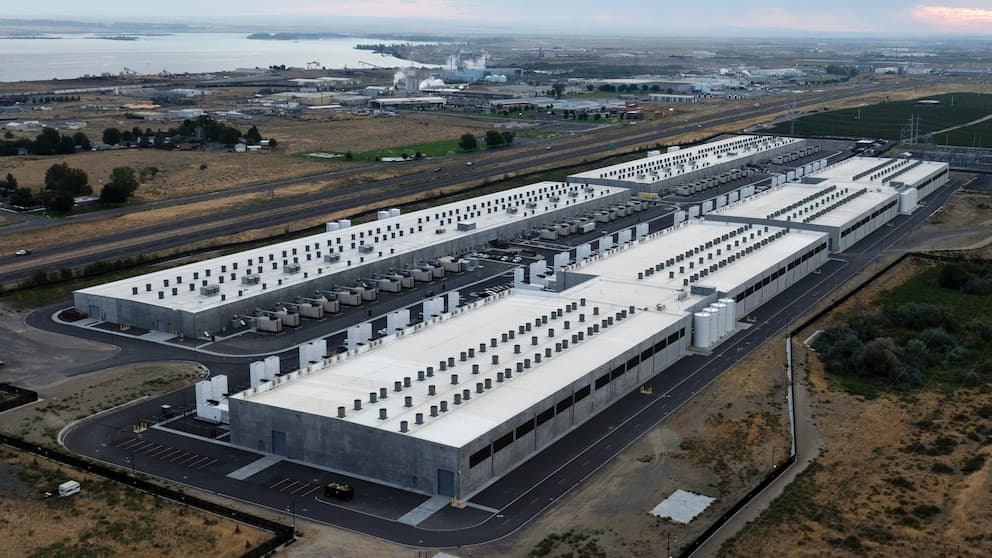
The explosive growth of artificial intelligence is triggering an unprecedented surge in natural gas power plant construction, prompting states and clean energy advocates to implement safeguards that prevent data centers from undermining climate commitments.
The challenge is stark: tech companies need electricity at a pace and scale that renewable energy construction simply cannot match. Individual data centers now consume as much power as mid-size cities, and the industry's appetite is accelerating coal plant life extensions and the largest natural gas buildout in history.
Legislative Response Takes Shape
New York is poised to require large data centers to meet renewable energy benchmarks starting in 2030, with a 90% clean energy mandate by 2040. State Senator Kristen Gonzalez argues the targets are achievable for companies investing billions in data center development.
"We are literally talking about the wealthiest companies in the world that are looking to build in New York state," Gonzalez said, "and if they have the resources to put billions of dollars into data center development, then they certainly should have the resources to build out renewable energy sources to power them."
Michigan, Oregon, and Minnesota have already enacted laws protecting their existing requirements for emissions-free electricity by 2040. Michigan's approach ties clean energy compliance—90% within six years—directly to sales tax exemptions for hyperscale facilities. Similar bills have emerged in California, Illinois, New Jersey, Pennsylvania, and Virginia.
Why It Matters
The regulatory framework established now will shape energy policy for decades. If states fail to act, the AI boom could lock in fossil fuel infrastructure that operates for 30-40 years, making climate targets mathematically impossible. Conversely, requirements that force tech giants to fund renewable buildout could accelerate the clean energy transition beyond what utilities alone would deliver.
Regulatory Innovation Gains Ground
Beyond mandates, tech companies and clean energy advocates are pushing utilities to open grid access for corporate-funded renewable projects. Google has secured approval for arrangements in Nevada allowing it to connect 115 megawatts of geothermal energy, with similar concepts now under consideration in eight additional states including Indiana, Kansas, Missouri, and South Carolina.
Colorado regulators ordered Xcel Energy to create a program letting large power users build clean energy projects for grid connection. In an April filing, Xcel acknowledged the approach could benefit customers, though negotiations continue over program design.
The Corporate Energy Buyers Association brokered an agreement with Georgia Power, approved earlier this year, allowing members to build and connect clean energy sources. The group is now pursuing similar arrangements in North Carolina.
Utility Economics Shift
Clean energy advocates argue the model benefits utilities by providing large, long-term customers who pay for grid expansion while contributing power sources that don't increase consumer bills. Greg Robinson of Aston Power compared the shift to FedEx emerging when the Postal Service couldn't meet business demands.
Nidhi Thaker, senior vice president of policy at the Corporate Energy Buyers Association, described current regulatory actions as "some of the most incredible and understated innovations we're going to see in regulatory and energy procurement."
These details were first reported by the Associated Press.
This is an original analysis by the Omega editorial team. Source reporting: AI Watch.
Want systems like this working for your business?
Book a Call
