Microsoft Carbon Emissions Jump 25% as AI Infrastructure Expands
The tech giant's sustainability report reveals how data center growth for artificial intelligence is undermining its carbon-negative pledge.
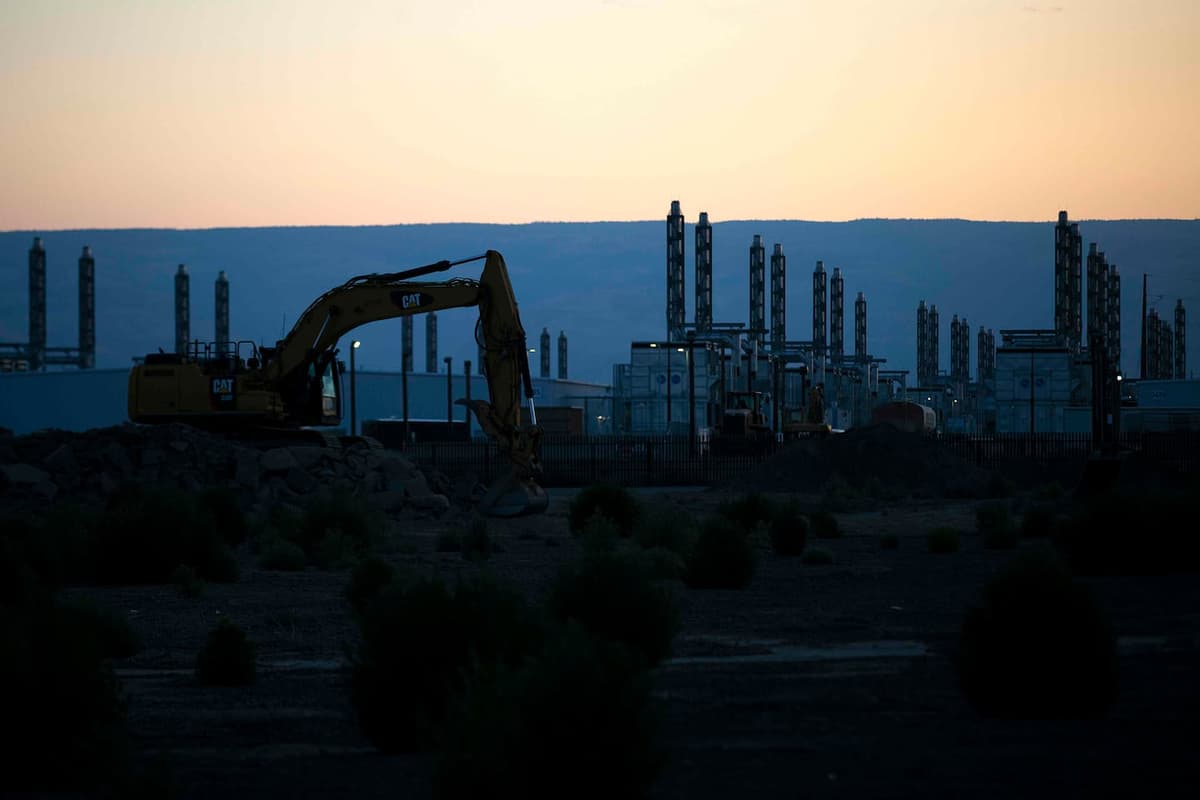
Microsoft's carbon emissions climbed 25% over the past year, the company disclosed in its annual sustainability report released Thursday, as its massive investment in artificial intelligence infrastructure collides with ambitious climate commitments.
The surge stems primarily from Microsoft's multi-billion-dollar expansion of hyperscale data centers designed to train and operate AI models. While the company has maintained data centers in Central Washington for two decades with minimal carbon impact—thanks to abundant hydropower from Columbia River dams—new facilities across the country increasingly rely on fossil fuel energy sources.
AI Infrastructure Powered by Natural Gas
One stark example: Microsoft signed a letter of intent to utilize up to 1.35 gigawatts of AI computing capacity at West Virginia's Monarch Compute Campus, an off-grid facility powered exclusively by natural gas generators.
The emissions increase also reflects a shift in Microsoft's accounting methodology. The company is moving away from purchasing certificates for existing renewable energy sources toward longer-term contracts that fund new renewable power generation—a change that temporarily increases reported emissions even as it may deliver greater long-term environmental benefits.
Why it matters
Microsoft's carbon trajectory illustrates a fundamental tension facing the tech industry: the computational demands of artificial intelligence are outpacing the availability of clean energy. For a company that pledged to become carbon negative by 2030 and eliminate all historical emissions by 2050, a 25% annual increase represents a significant setback. The challenge extends beyond Microsoft—every major tech company racing to deploy AI at scale faces similar infrastructure constraints that pit innovation against sustainability commitments.
Renewable Energy Milestones Under Pressure
Microsoft did achieve one environmental target last year, matching its data center power consumption with an equivalent amount of renewable energy purchases. However, Alistair Speirs, Microsoft's general manager of Azure infrastructure, acknowledged in a May interview that maintaining this balance annually will prove difficult.
"This is a challenge and, when we described our environmental goals back in 2020, we described it as a moonshot," Speirs said, according to the report.
The company is exploring alternative approaches to reduce its carbon footprint beyond energy sourcing, including green steel, cross-laminated timber as a building material substitute, and new concrete formulations to decarbonize construction materials used in data center development.
Microsoft's sustainability report also detailed philanthropic investments in Washington state communities hosting data centers, along with progress on water restoration initiatives and reducing single-use plastics in packaging.
These details were first reported by Monica Nickelsburg at KUOW and the Northwest News Network, a collaboration between public media organizations in Oregon and Washington.
This is an original analysis by the Omega editorial team. Source reporting: AI Watch.
Want systems like this working for your business?
Book a Call
