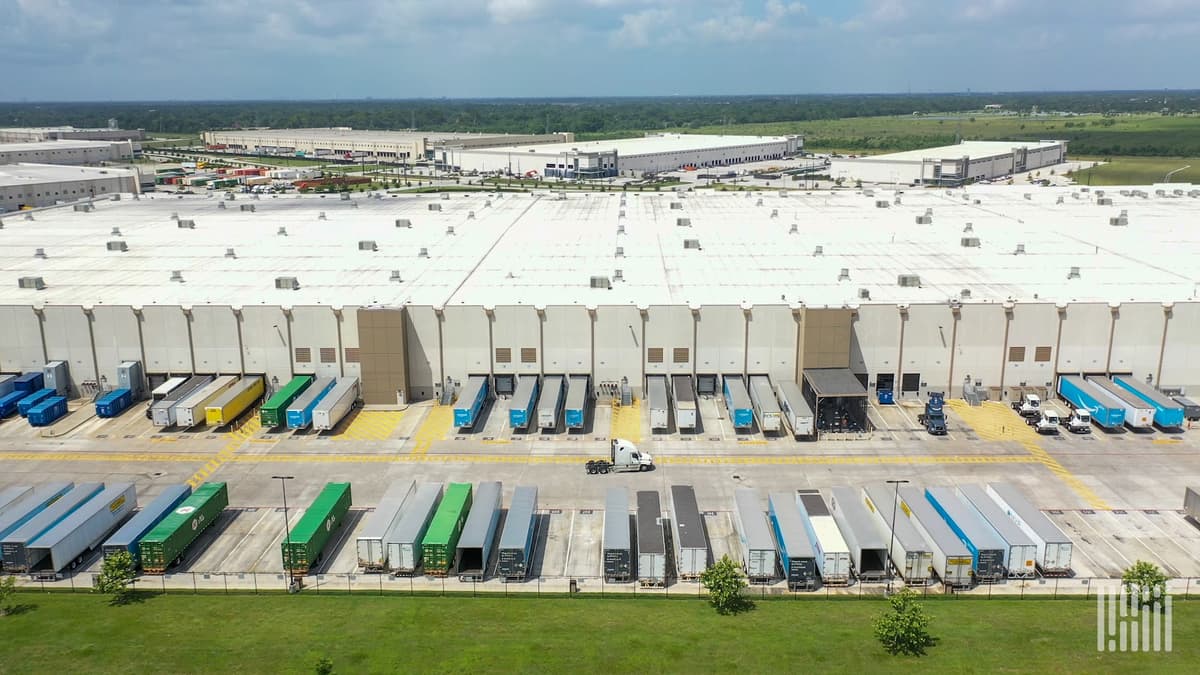
Skild AI in talks with Samsung, LG, Hyundai on robot automation
The physical AI unicorn's co-founder says Korea's manufacturing strength and labor shortages create ideal conditions for deploying universal robot foundation models.
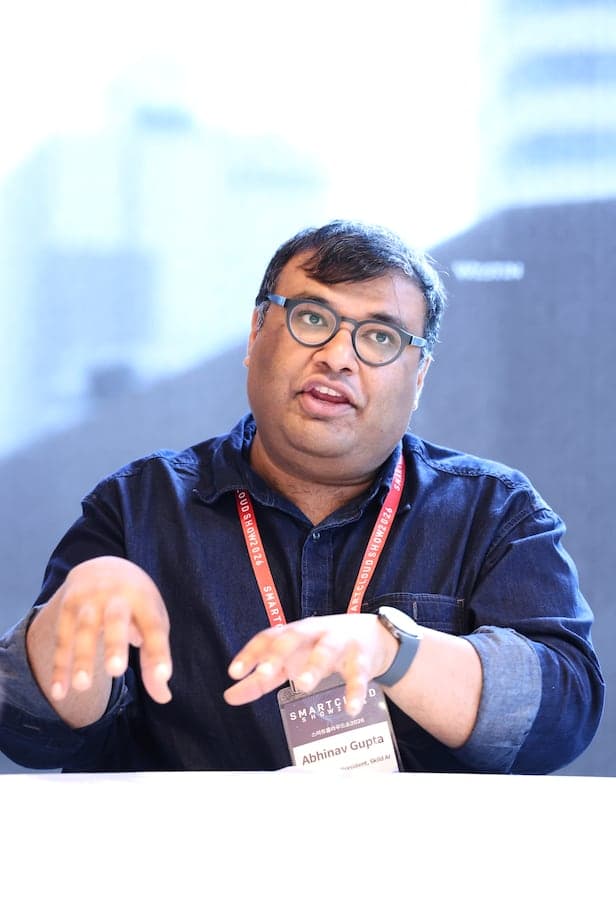
Skild AI, the physical AI startup valued at approximately $15 billion, is pursuing partnerships with three major Korean conglomerates to deploy its robot foundation model across manufacturing and logistics operations, according to co-founder Abhinav Gupta.
The Carnegie Mellon University professor told ChosunBiz that the company is in active discussions with Samsung, LG CNS, and HD Hyundai following a personal visit from LG Group Chairman Koo Kwang-mo to Skild AI's U.S. offices in April. The talks center on integrating Skild AI's technology into warehouse automation and factory operations, with Market Kurly cited as a potential early deployment partner through LG CNS.
Why it matters
Korea's combination of advanced manufacturing infrastructure and acute labor shortages makes it a strategic market for physical AI adoption. Unlike software AI, which automates cognitive work, physical AI enables robots to perform manual tasks autonomously—addressing workforce gaps in industries from semiconductors to shipbuilding. Skild AI's horizontal approach, building one AI model that works across different robot hardware, could accelerate deployment compared to custom-built solutions.
The robot brain business model
Founded in 2023, Skild AI develops what it calls a Robot Foundation Model—a single AI system trained on massive datasets that enables robots to navigate environments, manipulate objects, and execute diverse physical tasks regardless of the robot's form factor. The company generated $30 million in revenue in 2025 after recording zero the previous year, backed by investments from SoftBank and Nvidia.
Gupta explained that Skild AI operates on a subscription model, delivering the robot's intelligence as a continuously updated service rather than a one-time software license. "As the technology keeps improving, a subscription model with continuous updates is appropriate," he said, drawing parallels to how users expect new versions of ChatGPT or Claude.
The company positions itself differently from Tesla's Optimus project. "Tesla is a company that makes the robot itself, while we are a company that makes the robot's brain," Gupta said. He claims Skild AI maintains a one-to-two-year technical lead over competitors, rooted in 25 years of research experience he and co-founder Deva Parikh accumulated at Carnegie Mellon.
Korea-specific opportunities
Beyond software integration, the Korean partnerships may extend to hardware supply chains. Gupta said discussions with LG Innotek have explored whether the company could supply cameras and sensors essential for deploying physical AI in real-world environments, areas where LG Innotek has established capabilities.
Executives from both Samsung and HD Hyundai's AI team have visited Skild AI's offices, according to Gupta, who emphasized that Korea and Japan represent priority markets in the Asia-Pacific region due to their industrial bases and demographic challenges.
For Korea to capitalize on physical AI, Gupta recommended easing regulations to facilitate robot deployment and supporting early adopters through the trial-and-error phase of technology stabilization. He projected that robots will be present in every home within five years, with global robot populations potentially reaching 16 billion units—twice the human population.
The details were first reported by ChosunBiz following Gupta's keynote at SMARTCLOUD SHOW 2026 in Seoul.
This is an original analysis by the Omega editorial team. Source reporting: Automation Watch.
Want systems like this working for your business?
Book a Call