Singapore Building World's Largest Automated Port by 2040
Tuas Port expansion will deploy 227 underwater concrete caissons and handle 65 million shipping containers annually using driverless vehicles and remote cranes.
Singapore Building World's Largest Automated Port by 2040
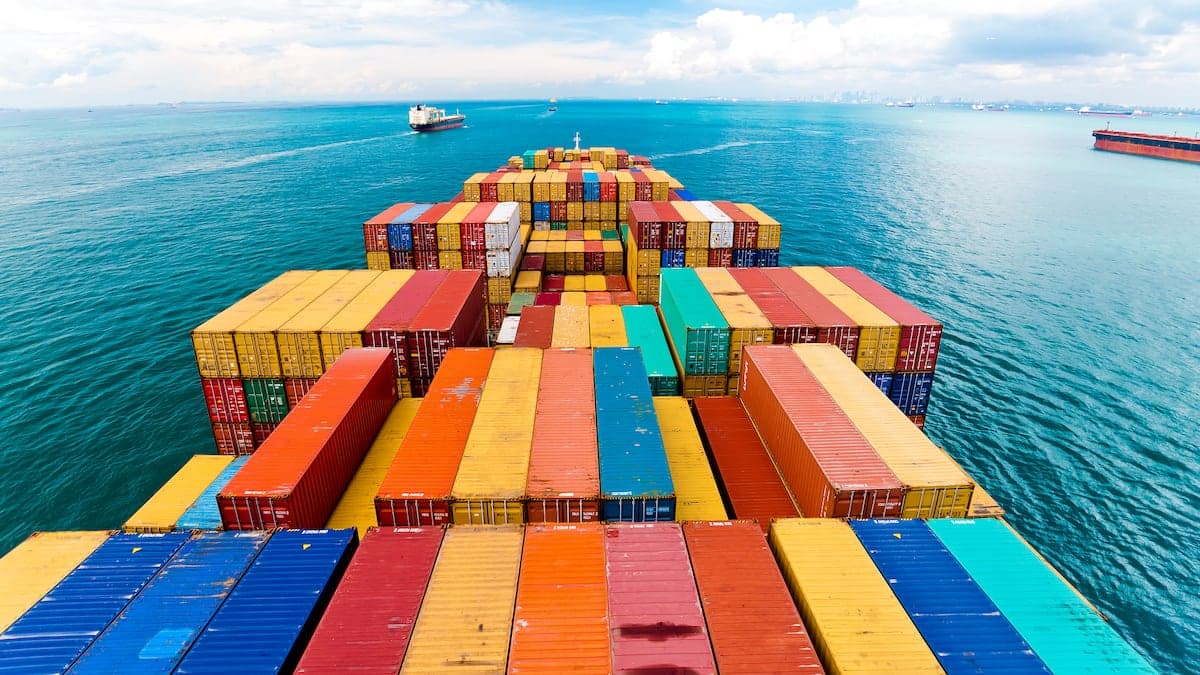
Singapore has launched construction of what will become the world's largest fully automated port, a massive infrastructure project that will transform the city-state's Tuas Port into a 3,300-acre maritime facility capable of processing 65 million shipping containers annually.
The expansion represents a nearly doubling of capacity from the 37.5 million twenty-foot equivalent units (TEUs) Singapore handled in 2021. When completed in 2040, the facility will stretch across more than 16 miles of waterfront and accommodate 66 berths designed for the largest container vessels in operation.
Underwater foundation engineering
The project's most remarkable engineering feat lies beneath the waves. Construction teams are deploying 227 massive concrete caissons—each standing approximately 10 stories tall—to form a 5.7-mile seawall and support structure for the port. These reinforced concrete blocks are being manufactured on-site and will be partially filled with ballast materials after placement to ensure stability on the seabed.
The caissons serve dual purposes: creating protected reclaimed land areas while shielding port operations from ocean forces. This underwater wall forms the foundation for the entire expansion, which will occupy an area larger than 3,000 soccer fields.
Full automation at scale
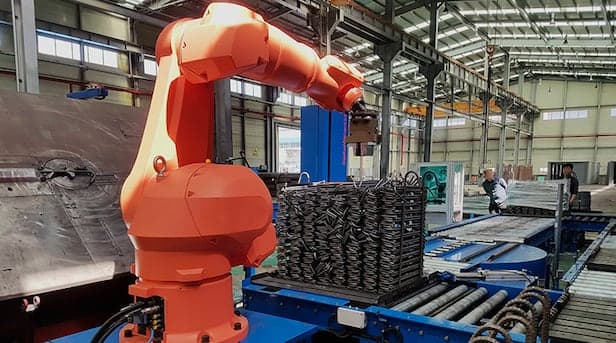
According to Liang Hui Tan, PSA's vice-president for Tuas development, strategic port tech, solutions and services, the facility will operate through a single integrated system controlling fully automated yard cranes, driverless automated guided vehicles (AGVs), and remotely operated ship-to-shore cranes. The automation strategy aims to enhance efficiency, productivity, and safety across all port operations.
PSA, the port operator, views Tuas as a proving ground for technologies it may eventually deploy across its global network of terminals. The project positions Singapore to test advanced automation systems and digital transformation initiatives at unprecedented scale in real-world maritime conditions.
Why it matters
For a nation with just 281 square miles of land area, Singapore's ability to nearly double its container handling capacity demonstrates how automation and advanced engineering can overcome physical constraints. The project also signals where global shipping infrastructure is headed: toward fully integrated, AI-driven operations that reduce labor costs and increase throughput. Success at Tuas could accelerate automation adoption at ports worldwide, reshaping employment and efficiency standards across the maritime industry.
Details of the Tuas Port expansion were first reported by AS.
This is an original analysis by the Omega editorial team. Source reporting: Automation Watch.
Want systems like this working for your business?
Book a Call