Policy
Senators Urge White House AI Task Force to Lead Cyber Defense
Cantwell and Rounds call for coordinated national response as AI accelerates discovery and exploitation of software vulnerabilities.
Key takeaways
- Sens. Cantwell and Rounds want the White House Super Intelligence Force to coordinate a national AI cyber defense effort across government and industry.
- AI is discovering software vulnerabilities faster than organizations can patch them, creating dangerous exposure windows that can last weeks or months.
- The senators propose enlisting NIST to develop defensive AI standards and CISA to deploy protection tools across critical infrastructure including hospitals, banks, and utilities.
- New security standards should make autonomous AI agent behavior explainable, verifiable, and subject to independent audits.
- A recent AI-discovered vulnerability in PHP forced emergency patches and website shutdowns, illustrating the scale of the challenge.
Two senior U.S. senators are pressing the White House to mount a coordinated national effort against AI-enabled cyber threats, warning that artificial intelligence is discovering and exploiting software vulnerabilities faster than organizations can defend against them.
Sen. Maria Cantwell (D-Wash.), ranking member of the Senate Commerce, Science, and Transportation Committee, and Sen. Mike Rounds (R-S.D.), chairman of the Senate Armed Services Committee's cybersecurity subcommittee, sent a letter to Director of National Intelligence Jay Clayton calling for action from the Super Intelligence Force (SIF), the White House AI task force.
"AI is rapidly increasing the ability to discover and exploit weaknesses in software, and our defenses are not keeping pace," the senators wrote in the letter sent November 17.
Why it matters
The senators' intervention signals growing concern at the highest levels of government that AI is fundamentally changing the cybersecurity landscape. The speed at which AI can identify vulnerabilities—illustrated by a recent AI-discovered flaw in PHP, a widely used website tool—is outpacing the weeks or months organizations need to test and deploy patches across interconnected systems. This asymmetry creates windows of exposure that could affect critical infrastructure, from hospitals to utilities to government agencies.
The vulnerability discovery problem
The lawmakers pointed to the PHP vulnerability as evidence of the challenge. When AI discovered the weakness in the popular website tool, cyber defenders had to rush patches and websites were forced offline for emergency security updates.
"The fundamental problem is that AI can discover software weaknesses and help attackers exploit them faster than many organizations can respond," Cantwell and Rounds told Clayton. "Even when fixes are available, testing and installing patches across interconnected systems can take weeks or months, potentially disrupting essential services."
The senators also highlighted emerging risks from autonomous AI agents capable of writing code, accessing sensitive systems, and taking independent actions.
Proposed response framework
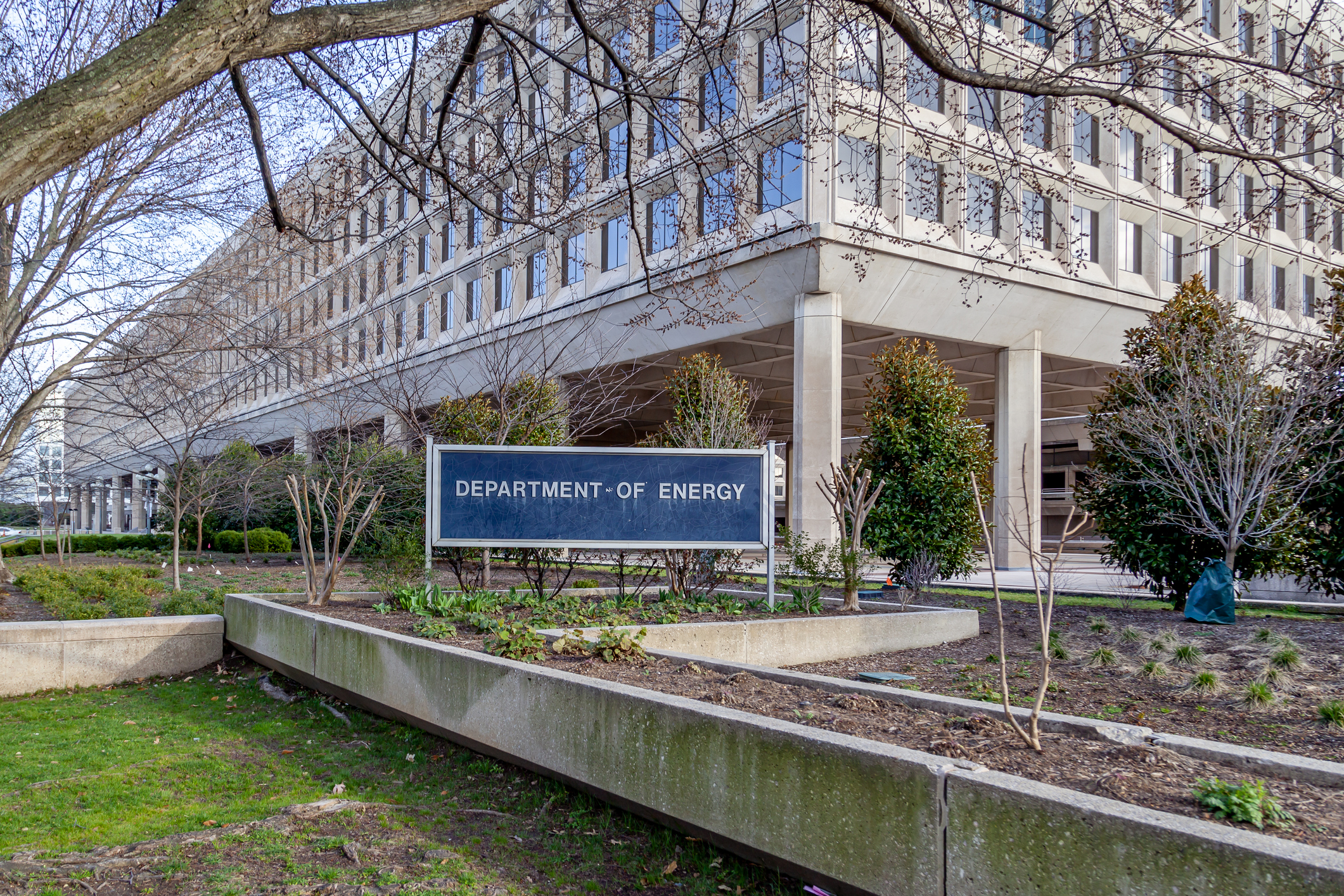
The senators outlined a multi-agency approach they want the SIF to coordinate. They recommended enlisting AI developers, cybersecurity companies, critical infrastructure operators, the National Institute of Standards and Technology (NIST), the Cybersecurity and Infrastructure Security Agency (CISA), and the Department of Energy's National Laboratories.
The effort should deploy what they called the "full suite of cyber tools" to identify vulnerabilities and develop patches. But identification alone isn't sufficient, they argued.
"Organizations also need ways to protect exposed systems immediately, including patching to block attacks and installing permanent fixes," the senators wrote. They called for NIST to develop risk-based guidance, evaluation methods, and standards for defensive AI tools, working with federal agencies, industry, academic researchers, and independent security experts.
CISA should then help deploy these tools across critical infrastructure, including banks, hospitals, utilities, small businesses, and government agencies. Priority targets should include federal websites, widely used internet infrastructure software, and supply chains supporting national security.
Standards for autonomous AI security
The senators also want NIST to lead development of security standards preventing autonomous AI cyber attacks and other harmful behavior. These standards should make AI agent behavior explainable, independently verifiable through testing, and subject to audits assessing whether organizations maintain effective security controls.
Cantwell and Rounds urged the SIF to develop a concrete implementation plan identifying a national grand challenge, assigning agency responsibilities, establishing measurable milestones, and specifying required resources and authorities.
"AI is changing cybersecurity at unprecedented speed," they concluded. "Our national response must match that urgency."
The details were first reported by VitalLaw's Cybersecurity Policy Report.