Policy
California faces $35B deficit if AI stock bubble bursts, LAO warns
Windfall tax revenue from market enthusiasm masks deep structural imbalance that could force massive cuts or new taxes.
Key takeaways
- California could face a $35 billion annual deficit by fiscal year 2028-29 if the AI-driven stock market boom ends abruptly, exceeding the state's reserve capacity.
- Even a gradual market cooldown would produce a $15 billion deficit by 2028-29, requiring elimination of all service expansions since 2019-20 or major new taxes.
- The AI boom is generating $11 billion in windfall revenue, but constitutional requirements direct it all toward education and reserves with nothing left for other programs.
- Americans now hold 175% more in stocks than historical norms, with investors borrowing twice as much in three years — conditions the Legislative Analyst calls approaching "mania."
- California carries nearly $30 billion in debt after years of temporary fixes that left the underlying structural imbalance unresolved.
California is collecting billions in unexpected tax revenue as AI enthusiasm drives stock prices higher, but the state's nonpartisan Legislative Analyst's Office issued a stark warning Wednesday: if the market bubble bursts, the state could face an annual deficit of $35 billion by fiscal year 2028-29.
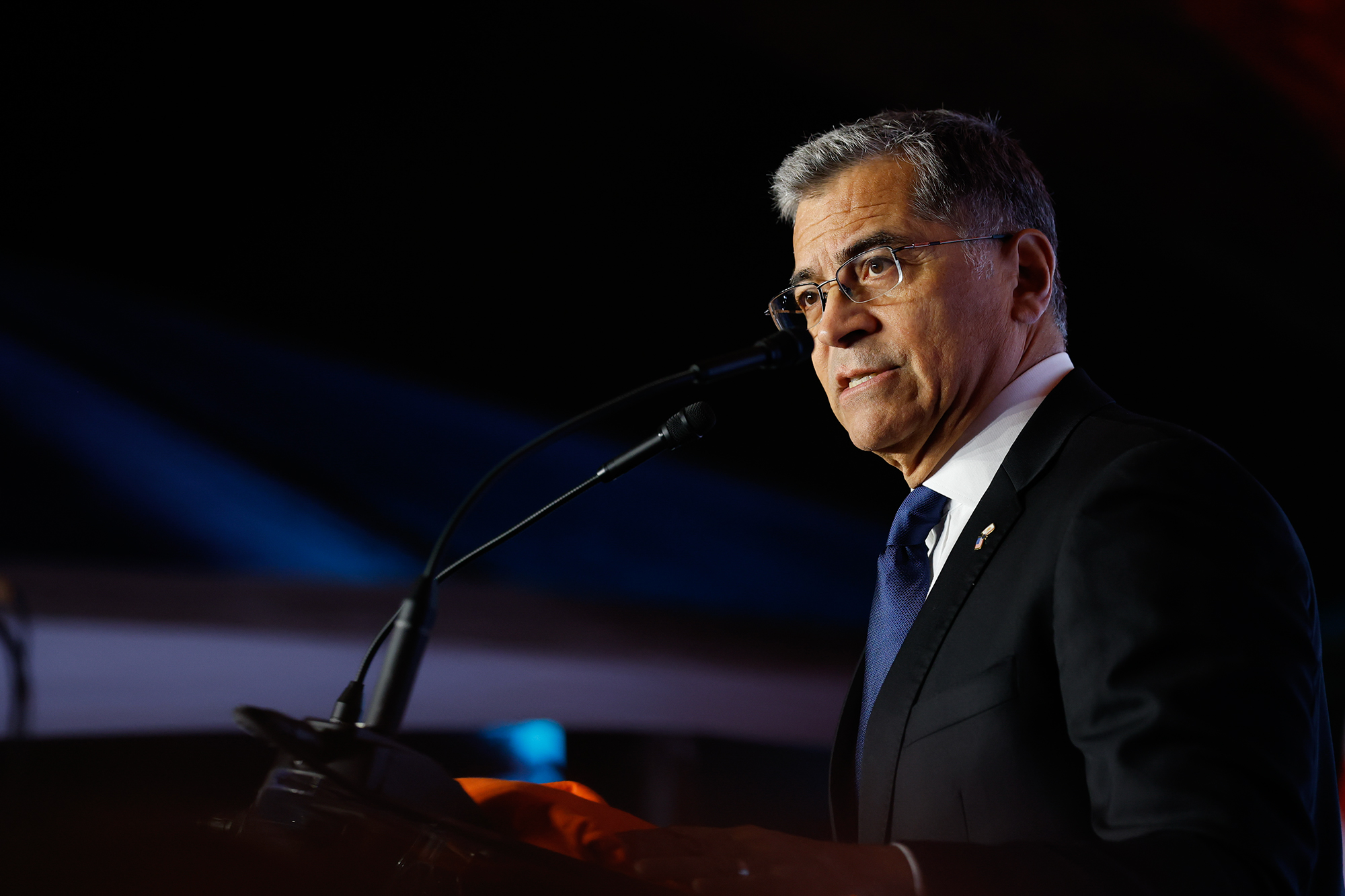
The forecast presents incoming Governor-elect Xavier Becerra with a precarious financial landscape when he takes office and unveils his first budget in January. Even under a gradual market cooldown scenario, the state faces a $2 billion deficit by the end of fiscal year 2027-28, growing to $15 billion annually the following year.
Why it matters
California's budget volatility stems from heavy reliance on wealthy residents' investment earnings, which swing with market cycles. The state has expanded programs like Medi-Cal coverage for undocumented immigrants while spending consistently outpaces revenue — creating a structural imbalance that temporary fixes can't solve. A market crash would force immediate, painful choices between deep service cuts and major tax increases, affecting millions of Californians who depend on state programs.
Market signals flash warning
Legislative Analyst Gabe Petek characterized current market conditions as approaching "a kind of mania." Americans now hold 175% more in stocks than historical norms, and investors have borrowed twice as much over the past three years to purchase equities.
The AI boom is expected to generate $11 billion more in revenue than the state Department of Finance projected in June, assuming a gradual market cooling rather than an abrupt crash in 2027. However, constitutional requirements direct all this windfall — and more — toward education and reserves, leaving nothing for other programs.
Under Proposition 98, roughly $4 billion must fund K-12 schools and community colleges. Another $9 billion goes into state reserves under Proposition 2, which voters strengthened earlier this month to allow savings of up to 20% of general tax revenue during boom periods.
Closing a $15 billion gap
Plugging even the smaller $15 billion deficit would require eliminating essentially all service expansions since fiscal year 2019-20, including Medi-Cal coverage for undocumented adults, according to Petek. Alternatively, it would demand a new tax larger than the current 10% to 12% levy on top earners that voters just made permanent.
The more severe $35 billion scenario would exceed the state's reserve capacity, forcing immediate and drastic action.
Political response
Senate Republican Leader Roger Niello urged the incoming administration to "face reality," noting that market normalization is "a matter of when, not if."
Becerra's spokesperson Jonathan Underland said the governor-elect is preparing a "responsible, balanced budget that protects the services Californians depend on and focuses on bringing down costs." Becerra has signaled openness to new revenue sources, including a "fair share" tax on the wealthy and a vehicle-miles-traveled fee for road repairs.
The LAO emphasized that the risk of market downturn requires the administration to "rebuild budget resilience" through aggressive saving, debt repayment, and implementing long-term cuts or revenue increases.
This marks the fifth consecutive year California projects a deficit despite revenue growth. The state currently carries nearly $30 billion in debt after years of relying on temporary tools like internal borrowing and reserve drawdowns to avoid deep cuts.
These details were first reported by CalMatters in the Legislative Analyst's Office annual economic forecast.