Policy
Senator accuses Commerce Dept. of failing to block AI chip exports to China
Maria Cantwell's letter to Howard Lutnick cites weakened safeguards and potential conflicts tied to his family's Nvidia holdings.
Key takeaways
- Sen. Maria Cantwell accused Commerce Secretary Howard Lutnick of failing to enforce export controls that would prevent China from obtaining advanced U.S. AI chips.
- Cantwell raised concerns about potential conflicts of interest tied to Lutnick's family holdings in Cantor Fitzgerald, which controlled $1.2 billion in Nvidia stock at the time of his nomination.
- Lutnick will testify before the Senate Banking Committee on December 10 regarding Nvidia chip exports to China.
- Bipartisan senators have demanded preservation of all documents related to Nvidia shipments following reports the Commerce Department delayed a probe of suspected illegal chip exports.
- The dispute centers on whether the department is adequately using its authority under the 2018 Export Control Reform Act to protect critical AI technology.
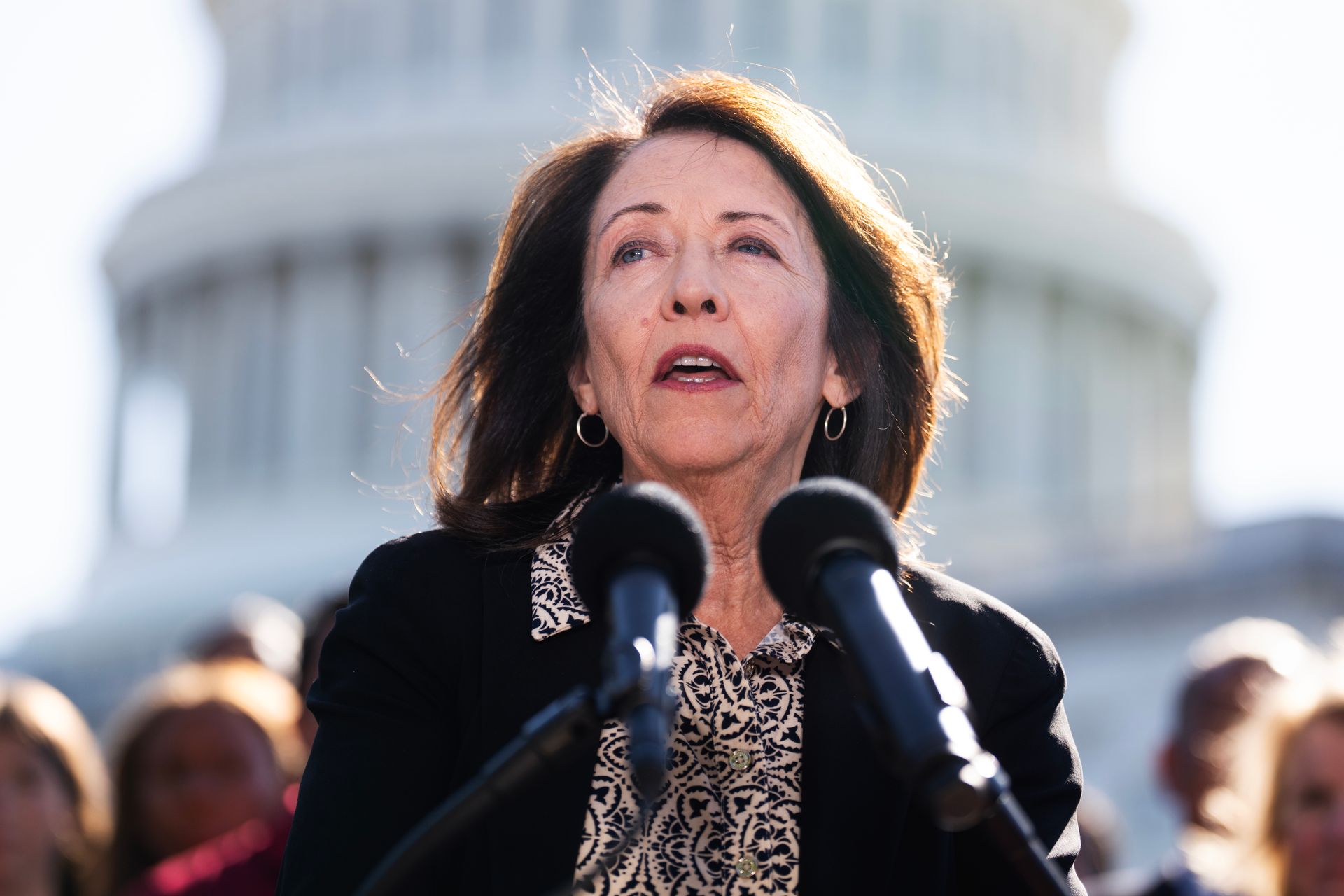
Sen. Maria Cantwell has accused the Commerce Department of failing to prevent China from obtaining advanced American AI chips, escalating congressional scrutiny of export control enforcement under Commerce Secretary Howard Lutnick.
The Washington Democrat and ranking member of the Senate Commerce Committee sent a letter to Lutnick on Sunday alleging the department has "resisted efforts to restrict companies flagged as national security threats, weakened safeguards, and left open pathways for the PRC to train advanced AI models using sensitive American technology," according to CNBC, which first reported the correspondence.
Conflicts of interest raised
Cantwell's letter also highlighted potential conflicts of interest stemming from Lutnick's family finances. She noted that Cantor Fitzgerald, controlled by Lutnick's sons, held $1.2 billion in Nvidia stock when Lutnick received his nomination. The senator questioned whether the Trump administration's 25% tariff on certain Nvidia chips sold to China creates a "perverse financial incentive to approve exports of sensitive American technology" that generates federal revenue.
"America's national security and AI leadership cannot be compromised by family business interests or a policy that generates federal revenue from exporting technology critical to our competitive edge," Cantwell wrote.
The letter arrived ahead of a planned meeting later this week in China, where U.S. officials are scheduled to meet President Xi Jinping at the Asia-Pacific Economic Cooperation gathering.
Why it matters
The dispute centers on whether the Commerce Department is adequately using its authority under the 2018 Export Control Reform Act to safeguard critical AI technology. With artificial intelligence increasingly viewed as a strategic asset in U.S.-China competition, questions about enforcement gaps and potential conflicts of interest at the cabinet level carry significant implications for both national security policy and the semiconductor industry's ability to navigate geopolitical tensions.
Mounting congressional pressure
Lutnick has agreed to testify before the Senate Banking Committee on December 10 to address questions about Nvidia chip exports to China. Committee Chair Tim Scott, a South Carolina Republican, also requested testimony from Jensen Huang, who stepped down as Nvidia CEO last week.
Huang has acknowledged a relationship with Alice Huang, a former executive at Singapore-based Megaspeed who is suspected of spying for China. Megaspeed faces accusations of illegally shipping export-controlled chips into China. Critics have faulted Lutnick for his close personal ties to Jensen Huang, who has opposed export controls, and for what they characterize as delays in restricting chip sales to China.
Bipartisan pressure intensified after The New York Times reported on November 9 that the Commerce Department may have delayed a probe of Megaspeed. Sen. Elizabeth Warren and Sen. Chris Coons sent a letter Wednesday to Lutnick, Secretary of State Marco Rubio, and White House Chief of Staff Stephen Miller directing them to preserve all documents and communications related to Nvidia's advanced AI chip shipments. The letter set a November 17 deadline for confirmation that preservation directives have been issued.
The Commerce Department had not responded to a request for comment as of Monday, CNBC reported. Details of Cantwell's letter and the related congressional actions were first reported by CNBC.