Sacramento AI Parking Enforcement to Issue $150 Fines
After a two-month warning period, the city's automated system will begin citing vehicles blocking bike lanes.
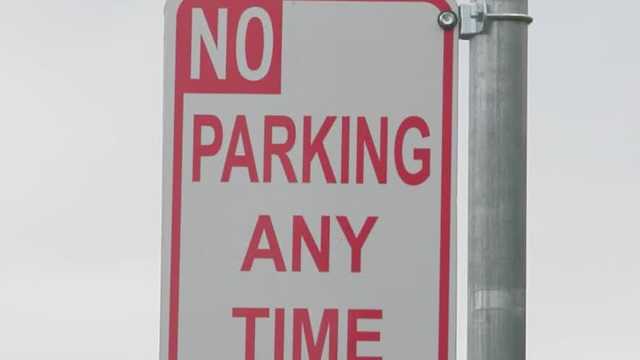
Sacramento shifts from warnings to fines for bike lane violations
Sacramento will begin issuing $150 citations for illegal parking in bike lanes through its AI-powered enforcement program, ending a two-month period during which the system only issued warnings.
Three vehicles equipped with artificial intelligence technology have been patrolling Sacramento streets since early spring, automatically detecting cars stopped or parked in designated bike lanes. The automated system marks a shift in how cities approach traffic enforcement, using computer vision to identify violations without requiring human officers to be present.
How the automated system works
The AI-equipped enforcement vehicles scan streets and identify vehicles occupying bike lanes. During the initial 60-day phase, the system generated warnings rather than financial penalties. With that grace period now complete, drivers found blocking bike lanes will receive citations carrying a $150 fine.
City officials positioned the program as a safety initiative, with particular emphasis on protecting areas near schools. The enforcement aims to maintain clear bike lanes for cyclists and improve overall road visibility.
Why it matters
Automated enforcement represents a growing trend in municipal traffic management, but it also raises questions about adequate public notification and the balance between safety goals and revenue generation. The mixed community response in Sacramento highlights tensions that other cities may face as they consider similar technology deployments. For AI vendors and municipal technology providers, these programs offer a test case for how automated systems are received when they directly impact residents' wallets.
Community response divided
Parents in Sacramento have expressed conflicting views about the initiative. Some residents support the program, believing automated enforcement will enhance safety for children walking or cycling to school. Others have criticized the 60-day warning window as insufficient time to adequately inform the community about the new enforcement regime.
The city emphasized that keeping bike lanes clear serves year-round safety objectives, not just during the regular school year. Officials noted that children attending summer school programs also benefit from unobstructed bike infrastructure.
Broader implications for AI in civic enforcement
Sacramento's program reflects a broader movement toward automated municipal services. While AI-powered parking enforcement can operate more consistently than human patrols, it also eliminates the discretion individual officers might exercise in borderline situations.
The $150 fine level positions Sacramento's penalties in the mid-range compared to other California jurisdictions. Whether the automated approach proves more effective at changing driver behavior than traditional enforcement remains to be seen as the citation phase begins.
These details were first reported by KCRA.
This is an original analysis by the Omega editorial team. Source reporting: AI Watch.
Want systems like this working for your business?
Book a Call