Q2 2026 Robotics Earnings Show AI Infrastructure Driving Growth
ABB, Schneider Electric, and Teradyne report strong results as automation demand expands beyond traditional compute into power, testing, and precision systems.
Automation demand expands beyond compute infrastructure
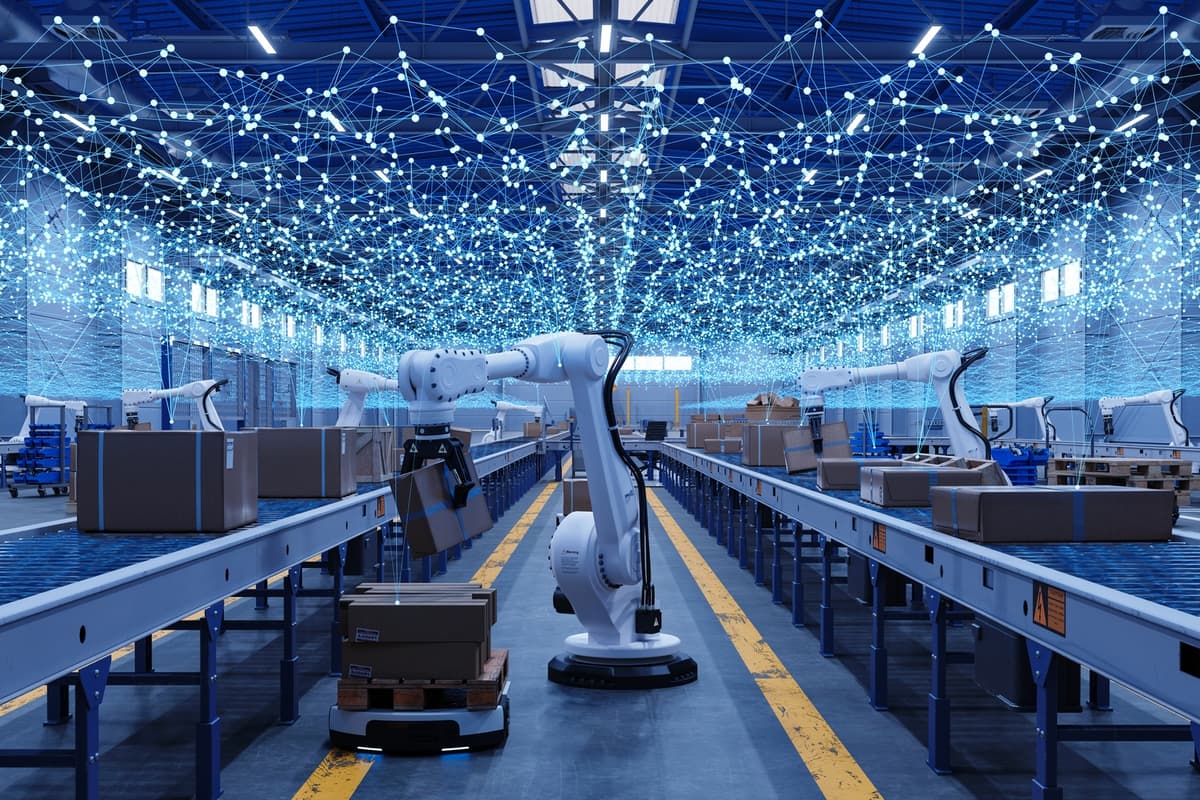
The robotics and automation sector is experiencing a fundamental shift in demand drivers, according to recent earnings reports from major industry players. Companies are no longer investing solely in computational hardware—they're deploying capital across power systems, testing equipment, factory controls, electronics production tools, and precision motion systems.
According to analysis from VettaFi, which tracks the ROBO Global Robotics and Automation Index, this earnings cycle reveals both immediate recovery in selective industrial segments and a longer-term expansion of automation's addressable market driven by AI applications.
Strong revenue growth across key segments
ABB and Schneider Electric both reported double-digit growth in orders and revenue, with data center infrastructure and electrification projects leading the expansion. These results reflect enterprise investment in the physical infrastructure required to support AI workloads—not just servers and chips, but the electrical systems, cooling, and control mechanisms that keep facilities operational.
Teradyne delivered particularly striking results with 104% revenue growth, driven primarily by semiconductor testing equipment. This surge underscores the ongoing need for quality assurance and validation tools as chip production scales to meet AI demand.
Targeted automation addresses specific bottlenecks
The current wave of automation investment differs from previous cycles in its precision. Rather than broad factory overhauls, customers are prioritizing systems and components that eliminate measurable constraints in throughput, quality control, and production capacity. This targeted approach allows organizations to demonstrate clear return on investment while managing implementation risk.
VettaFi characterizes the robotics sector as a "now-and-later" opportunity—serving existing industrial needs today while positioned to benefit as AI expands the range of tasks automation can economically address.
Why it matters
This earnings pattern suggests AI infrastructure investment is maturing beyond the initial focus on training and inference hardware. As organizations build out AI capabilities, they're discovering bottlenecks in adjacent systems—power delivery, environmental controls, component testing, and precision manufacturing. For automation vendors, this creates new revenue streams less dependent on traditional industrial cycles. For investors, it signals that physical AI infrastructure represents a broader opportunity than semiconductor-focused portfolios capture.
Metrics to watch
VettaFi identifies several indicators that will help assess whether this growth proves durable: the conversion rate of record order backlogs into recognized revenue, whether companies can sustain current margin levels as they scale, expansion of strong demand beyond semiconductor-adjacent markets, and operational metrics including cost per completed task and the rate of repeat orders from existing customers.
These details were first reported by VettaFi in their analysis of Q2 2026 robotics sector earnings.
This is an original analysis by the Omega editorial team. Source reporting: Automation Watch.
Want systems like this working for your business?
Book a Call