Pilots Face Rising 'Automation Surprise' Safety Risks
Modern aircraft do exactly what they're programmed to do—but that's creating a new category of cockpit incidents when pilots don't anticipate the behavior.
A New Category of Flight Safety Incidents
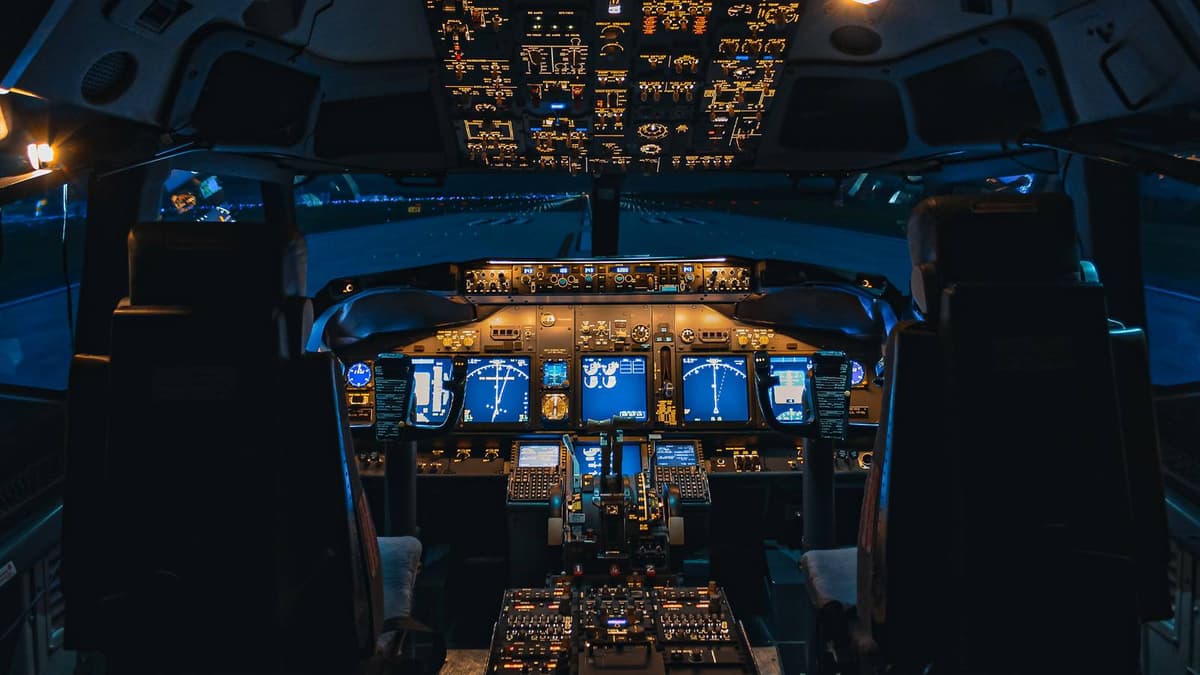
Modern commercial aircraft have introduced an unexpected safety challenge: incidents where the plane performs exactly as designed but still catches pilots off guard. These "automation surprise" events occur when automated systems behave in ways pilots don't anticipate, even when no technical malfunction has occurred.
Research by Joris Field at the National Aerospace Library found that airline pilots experience an average of two mode confusion events per year. A survey of 145 pilots identified Vertical Navigation (VNAV) as the primary source of problems, with approaches and landings representing the most dangerous phases.
Why it matters
As aircraft automation grows more sophisticated, the gap between what pilots expect and what systems actually do is widening. Federal Aviation Administration data shows that 45% of safety incidents involve pilots caught by surprise, while 60% include flight management computer use errors. This isn't about technology failing—it's about the human-machine interface creating new blind spots that traditional pilot training didn't address.
How Automation Creates Confusion
Pilots build mental models of how they expect their aircraft to behave based on known factors. But the complex algorithms determining flight behavior aren't always visible or intuitive. When automation interacts with conditions outside a pilot's awareness, the resulting behavior can be disorienting.
Three primary types of automation surprise emerge: mode confusion (not understanding which automation mode is active), unexpected mode changes (when systems switch logic without warning), and hidden system logic (complex algorithms that aren't transparent to flight crews).
The problem intensifies as pilots spend less time manually flying aircraft. Reduced hands-on experience erodes familiarity, while over-reliance on automatic functions can lead crews to trust systems without active monitoring.
Real-World Consequences
On July 24, 2011, a Thai Airways Boeing 777-300 approaching Melbourne descended lower than expected during a non-standard approach. Air traffic control noticed the deviation and instructed a go-around. The pilots took a full minute to respond—a delay the Australian Transport Safety Bureau attributed to automation surprise when the autopilot made an unexpected pitch change.
The ATSB noted that had the delay involved terrain or traffic warnings rather than altitude, disaster would have been likely. The regulator found that automation errors factor into at least 20% of approach and landing accidents worldwide.
The 2013 Asiana Airlines Flight 214 crash at San Francisco International Airport proved fatal. Automation surprise contributed to poor situational awareness and the mistaken belief that autothrottle would maintain safe airspeed. Three people died when the Boeing 777 struck the seawall short of the runway.
Competing Manufacturer Philosophies Complicate Training
Airbus and Boeing take fundamentally different approaches to automation. Airbus employs digital envelope protection, preventing pilots from exceeding structural and aerodynamic limits. Boeing maintains pilot final command authority, allowing all automatic constraints to be overridden in emergencies.
These divergent philosophies—reflected in Airbus sidesticks versus Boeing control columns—mean pilots must adapt their mental models when switching between aircraft types.
Regulatory Response
The FAA's 2017 advisory circular AC 120-71B instructs pilots to "stay in the loop by mentally flying the aircraft" regardless of autopilot engagement. Crews should anticipate each maneuver before the autopilot executes it and maintain instrumentation monitoring as if flying manually.
The FAA recommends verifying the Flight Mode Annunciator with each autopilot change to confirm requested commands are being properly performed. Airlines have also introduced surprise scenarios into training programs.
As automation grows more sophisticated in aircraft like the Airbus A350, the challenge will intensify. Fewer autopilot errors mean surprises will be more jarring when they occur, while increasing system complexity makes understanding aircraft behavior harder.
These details were first reported by Simple Flying in their analysis of automation surprise incidents.
This is an original analysis by the Omega editorial team. Source reporting: Automation Watch.
Want systems like this working for your business?
Book a Call